
Your money doesn’t just disappear because “life is expensive.” It usually leaks out through a lot of small, unplanned decisions that feel harmless in the moment: a subscription here, a “limited-time deal” there, a flashy upgrade you didn’t really need. Over time, those choices shape whether you feel in control of your finances or constantly playing catch-up.
This guide is about turning everyday purchases into intentional decisions instead of impulse reactions. You don’t need a finance degree or a complicated budget—just a simple system and a few habits that put you back in charge.
Start With a “Minimum Lifestyle” Number
Before you can make smarter purchases, you need clarity on what it truly costs to maintain your life at a basic, comfortable level—not your dream lifestyle, not your “once everything works out” lifestyle, just your current, realistic minimum.
List your non-negotiable monthly expenses: housing, utilities, groceries, transportation, insurance, debt payments, and essential services (like a basic phone or internet plan). Ignore dining out, streaming, hobbies, and other nice-to-have categories for now. Add these costs up to find your “minimum lifestyle” number.
This number is important because it tells you two things: how much of your income is already spoken for, and how much is actually flexible. Once you know it, each non-essential purchase has more context. That $80 impulse buy isn’t “just $80” anymore—it’s a certain percentage of what you need to keep your life stable. This mental shift alone often reduces unnecessary spending because it connects buying decisions to real trade-offs.
Separate Money by Purpose Before You Spend It
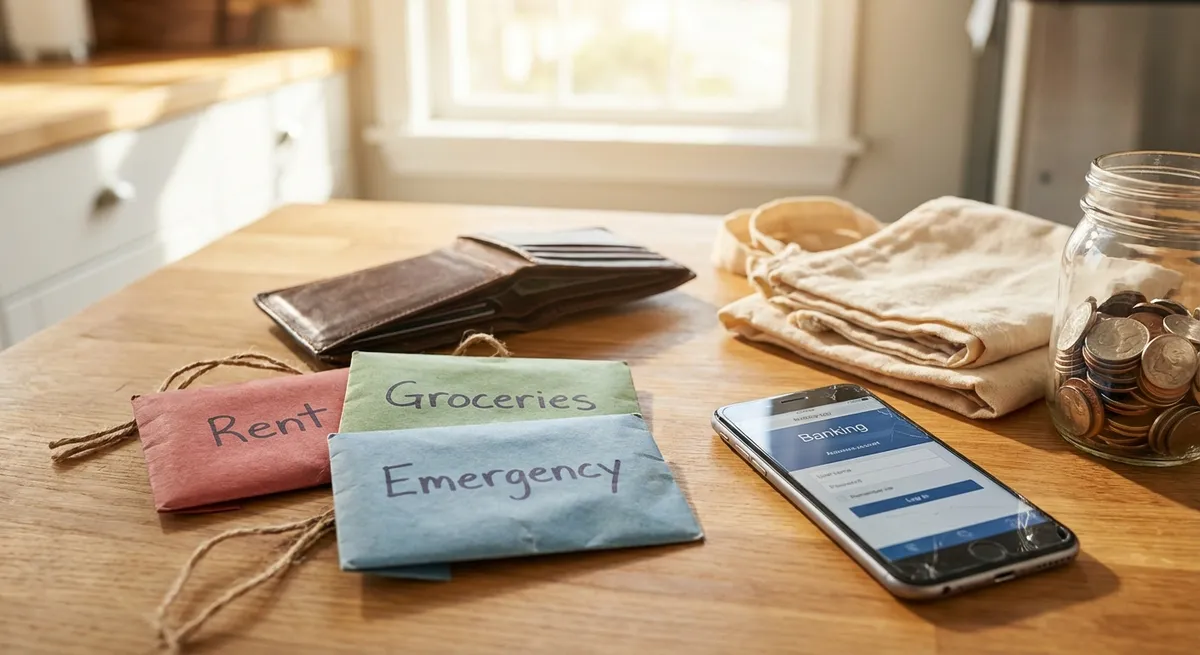
Most people try to spend less by using willpower in the moment. A more effective approach is to decide in advance what each part of your income is for—and then physically separate the money when possible.
A simple framework:
- One pool for essentials (bills, groceries, transportation)
- One pool for future you (savings, emergency fund, debt payoff above minimums)
- One pool for flexible spending (restaurants, small treats, fun purchases)
You can use multiple bank accounts, digital “buckets,” or budgeting apps that allow categories. The key is to give every dollar a job when it hits your account, not when you’re already in a store or scrolling online.
When it’s time to buy something non-essential, check only your flexible spending pool. If there’s money left, you decide if the purchase is worth shrinking that pool. If there’s not, the decision is made for you—without guilt or mental wrestling. This protects core bills and savings from impulse purchases and keeps “fun” spending within clear limits.
Build in a Delay Before Non-Essential Purchases
Most money regrets come from decisions made fast. Brands know this, which is why they use countdown timers, “only 2 left” alerts, and time-limited discounts. Your best defense is a personal rule that slows you down just enough to think clearly.
Create a simple waiting rule for yourself. For example:
- Under $25: decide same day, but don’t buy in the first 30 minutes
- $25–$100: wait 24 hours
- Over $100: wait 3–7 days and compare alternatives
During that wait time, ask yourself:
- Will this still matter to me a month from now?
- Am I buying to solve a real problem or just to change how I feel right now?
- Is there a lower-cost way to get the same result (borrow, buy used, delay, or repurpose something I already own)?
Many “had to have it” items stop feeling urgent once they compete with other priorities in your mind. You’ll still say yes to some purchases—but you’ll say no more often, and with confidence.
Look Past the Price Tag to the “All-In” Cost
A product’s sticker price is only part of what it really costs you. The smarter question isn’t “Can I afford this once?” but “What will this cost me to own, run, maintain, or replace over time?”
Before you buy, consider:
- Lifetime cost vs. upfront cost: A cheaper appliance that breaks in 3 years can cost more than a pricier one that lasts 10. Reviews and brand reliability matter as much as the discount.
- Operating costs: For things like cars, electronics, or appliances, energy use, fuel, insurance, and maintenance can add up more than the purchase price over the years.
- Hidden fees and extras: Accessories, replacement parts, subscriptions, warranties, and required services can quietly turn a good deal into an expensive commitment.
- Resale or trade-in value: Some items hold value well (certain electronics, tools, name-brand equipment), which can effectively lower your “net” cost if you plan to resell later.
Thinking in “total cost of ownership” shifts decisions toward durability, efficiency, and versatility. Often, the smartest purchase is not the cheapest option today, but the choice that serves you well the longest with the fewest add-ons and headaches.
Use Regret as Data, Not Just Emotion
Everyone has at least a few purchases they regret: clothes barely worn, tech that gathered dust, subscriptions that auto-renewed for months. Instead of just feeling bad and moving on, treat those regrets like free financial coaching.
Look back over the last 3–6 months of your spending and highlight:
- Items you’d definitely skip if you could do it again
- Subscriptions you forgot about or rarely used
- Purchases that solved a short-term feeling (boredom, stress, FOMO) but didn’t improve your life
Then, look for patterns. Maybe you overspend when you’re tired, shop more on certain apps, or rarely benefit from “limited-time offers.” Turn each pattern into a personal rule, such as:
- “I don’t buy from my phone after 9 p.m.”
- “I cancel any subscription I haven’t used in 30 days.”
- “I don’t buy clothing unless I can name 3 occasions I’ll wear it.”
These rules don’t have to be perfect—they just need to be specific to your real habits. Over time, your past regrets become guardrails that protect your future self.
Conclusion
Smart purchasing isn’t about never spending; it’s about making sure every dollar you part with is doing a job you actually care about. When you know your minimum lifestyle cost, separate money by purpose, build in delays, consider the true all-in cost, and learn from past regrets, you give yourself more than savings—you gain control, predictability, and less financial stress.
You’ll still make impulse buys sometimes. But with a simple system in place, those moments become the exception, not the rule. That’s how everyday decisions quietly add up to a more stable financial life.
Sources
- Consumer Financial Protection Bureau – Budgeting and Saving Tools – Practical guidance on organizing expenses, setting priorities, and creating a spending plan
- U.S. Bureau of Labor Statistics – Consumer Expenditures – Data on how households actually spend money across categories, useful for benchmarking your own spending
- Federal Trade Commission – Shopping and Saving Tips – Advice on avoiding deceptive offers, fees, and traps when making purchases, especially online
- National Endowment for Financial Education – Smart Spending Resources – Educational materials on spending choices, needs vs. wants, and long-term financial decision-making
- Energy.gov – Estimating Appliance and Home Electronic Energy Use – Helps calculate operating costs over time, supporting better total cost of ownership decisions
Key Takeaway
The most important thing to remember from this article is that this information can change how you think about Finance.