
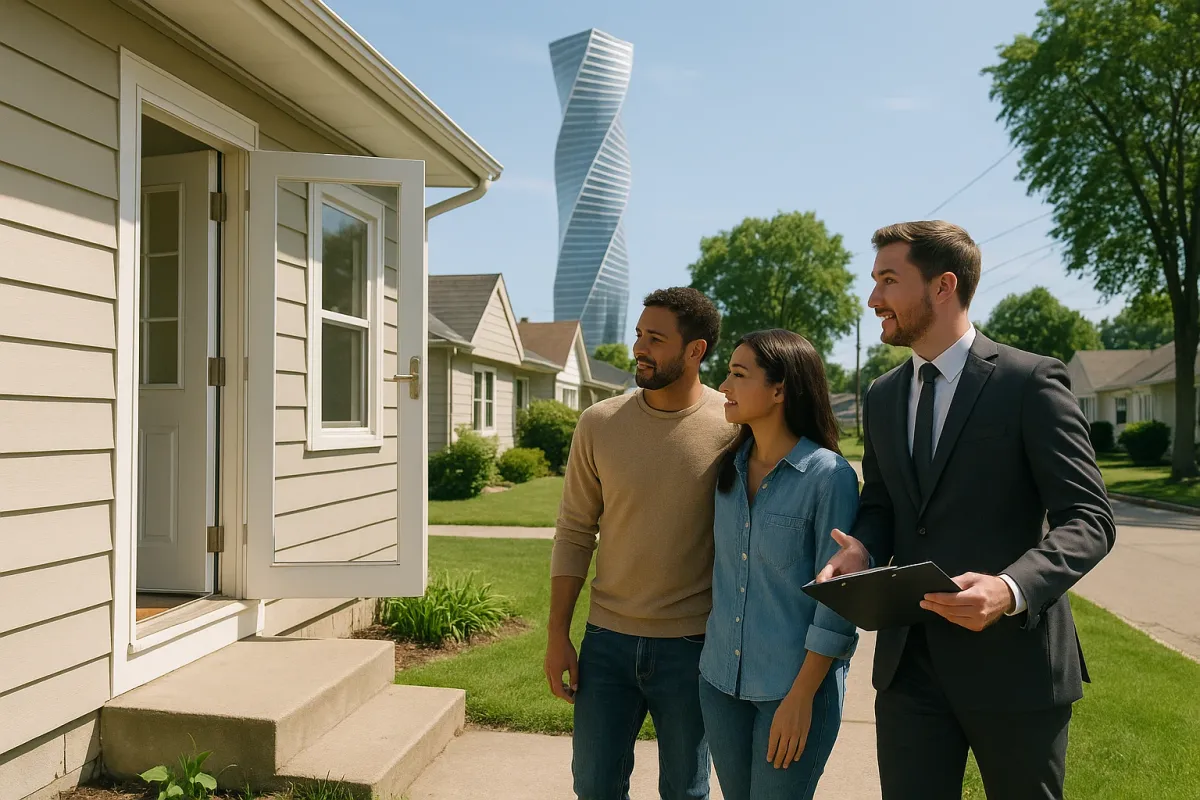
If your social feeds have been full of “AI-looking” buildings and bizarre architecture lately, you’re not alone. The viral Bored Panda piece on “Bread-Shaped Bread Factories” and other odd structures tapped into a real trend: eye‑catching, hyper-quirky buildings that look great in photos—but might be a nightmare to own. In real estate circles, this isn’t just entertainment; it’s a live conversation about what really holds value in a world obsessed with aesthetics and virality.
Developers today are pushing boundaries to stand out in crowded markets, from wildly sculptural condos to theme-park-style homes designed purely for Instagram. Some of these projects become iconic landmarks that boost local property values. Others age badly, are expensive to maintain, or prove impossible to resell. If you’re a buyer, the question is simple: how do you tell the difference between a home that’s “fun to post” and one that’s financially smart to own?
Below are five practical, consumer-focused tips to help you navigate today’s real estate market—especially when you’re tempted by something unusual, ultra-modern, or just plain strange.
Look Past The “Wow” And Check For Timeless Bones
Architecturally weird homes can be genuinely cool—but market value is driven by fundamentals, not just vibes. As we’ve seen with some “statement” buildings that went up in the 2000s, overly niche designs can fall out of fashion faster than you can say “retro-futurist.”
Before you fall in love with a curved glass tower or a house shaped like… anything, ask: if I stripped the decor and the gimmicks, would this still be a practical, livable space? Look for sensible layouts (good bedroom-to-bathroom ratio, usable storage, logical flow), adequate natural light, and ceiling heights that feel comfortable rather than claustrophobic or cavernous. Check whether the home could be updated in the future without structural surgery—can walls be moved, finishes changed, or rooms repurposed? A property with “good bones” lets you ride out style cycles; a one-off structure locked into today’s aesthetic might look outdated and hurt resale value in 10–15 years.
Evaluate Resale Appeal, Not Just Personal Taste
One lesson from the recent viral “AI-like” buildings trend: just because something grabs attention online does not mean people want to live in it. Highly specific, novelty-driven homes can have a very narrow buyer pool. That might not matter if you plan to keep the property for decades—but most buyers move within 7–10 years.
When you tour a property, ask your agent for actual local comps, not just listing prices. Are nearby homes with more conventional designs selling faster and at higher price-per-square-foot? How long have architecturally unusual properties been sitting on the market? If the odd ones are consistently discounted or slow to sell, you’re taking on extra risk. Also consider location fundamentals that stay relevant regardless of design trends: school district quality, walkability or commute options, local employer stability, access to parks and services, and neighborhood crime trends. Viral aesthetics come and go; location desirability rarely flips overnight.
Factor In Hidden Maintenance Costs Of “Statement” Features
Those dramatic sculptural facades and custom finishes that go viral? They can be expensive to own. Unique cladding, rounded glass walls, custom window shapes, and unconventional rooflines often require specialized materials or expertise. That means higher repair bills, longer wait times, and sometimes the headache of hunting down niche tradespeople.
Before you commit, ask for: recent utility bills (to see how well the building actually performs), any warranties on unique exterior or interior materials, and documentation on past repairs. If it’s part of a condo or HOA, review the reserve study and recent meeting minutes: are owners complaining about leaks, facade issues, or rising maintenance fees tied specifically to the building’s design? High visual drama often correlates with more complex building envelopes—and complexity tends to equal cost, especially over 10–20 years. Build a realistic maintenance line into your budget and avoid assuming “it just looks cool, so it’s fine.”
Use Today’s Rates And Insurance Costs, Not Yesterday’s
In many markets, the real affordability story right now isn’t just the purchase price—it’s the monthly cost of owning. With mortgage rates still significantly higher than the historic lows we saw earlier in the decade, payment shock is real. At the same time, insurance premiums have been rising in areas facing climate risk, especially for unusual structures or homes in flood, wildfire, or high-wind zones.
When running numbers, model several interest-rate scenarios. What if rates tick up another 0.5% before you close? Would you still be comfortable? Get actual insurance quotes early in the process, especially if the building has nonstandard materials, a flat or complex roof, extensive glass, or is in a climate-exposed area. Insurers are increasingly picky about risk, and some innovative designs don’t fit neatly into standard underwriting. The “fun” of living in a headline-worthy property disappears quickly if your monthly costs jump 20–30% above what you expected.
Prioritize Flexibility: How Many Ways Could This Space Work?
One thing today’s viral architecture trend gets right: people crave spaces that feel unique and personal. But the smartest real estate purchases balance uniqueness with flexibility. A home that can easily shift between different uses—work-from-home, multigenerational living, rental suite, or accessible living in later years—will serve you better through economic ups and downs.
Walk the property and imagine at least three realistic ways you could use it over the next decade. Could a den become a nursery or office without major renovations? Could a separate entrance make a basement or studio Airbnb-ready if local regulations allow? Are there open areas that can be closed off for privacy if remote work stays part of your life? In a market where trends move fast (just like social content), flexible layouts and zoning-friendly configurations are often more valuable than a single big “wow” feature you can never change.
Conclusion
The internet’s fascination with surreal, meme-worthy buildings is entertaining—but for buyers, it’s also a reminder: you’re not purchasing a screenshot, you’re purchasing a long-term financial asset and a place to live. Some unconventional designs will become tomorrow’s landmarks and appreciate strongly. Others will fade as passing curiosities that are expensive to maintain and hard to sell.
To buy smart in this environment, look past the visual gimmicks and focus on fundamentals: timeless bones, broad resale appeal, realistic upkeep costs, current financing and insurance realities, and flexible space you can adapt as life changes. Do that, and you can enjoy good design, interesting architecture, and a home that still makes sense—financially and practically—long after the viral threads move on to the next weird building.
Key Takeaway
The most important thing to remember from this article is that following these steps can lead to great results.