Most home & garden purchases promise a better life: more comfort, more style, more convenience. But once the box is open and the receipt is lost, many of those “upgrades” turn into clutter, repairs, or regrets.
This guide focuses on buying fewer, better things that genuinely improve how your home feels and functions—without wasting money on trends that won’t survive a full season.
Start With Pain Points, Not Pinterest
Before buying anything for your home, identify what’s actually bothering you day to day.
Is it constant countertop clutter? A bedroom that never feels restful? A yard that’s more work than joy? Your real-life frustrations should drive your purchases far more than inspiration photos or flash sales.
Walk through each room with a notebook and write down:
- What annoys you every single week (not just occasionally)
- What’s always in the way, breaking, or hard to clean
- What you avoid using because it’s uncomfortable or impractical
- Where you waste time—searching, cleaning, or rearranging
Once you have this list, sort potential purchases into two buckets:
1) solves a daily or weekly problem, or
2) just looks nice.
You don’t have to ban “looks nice” buys, but solving recurring problems first gives you way more value for every dollar spent.
Tip 1: Upgrade Fewer Things, But Make Them Work Harder
Instead of buying lots of small, mediocre items, focus on a few high-use upgrades that impact your daily comfort and energy use.
Good candidates include:
- Mattress and bedding: You spend about a third of your life here; cheap, sagging, or overly warm bedding hurts sleep quality and can lead to back or neck pain.
- Lighting: Swapping a harsh overhead bulb for layered lighting (a floor lamp, task lamp, and warm LED bulbs) can completely change how a room feels and functions.
- Kitchen workhorses: A single sharp chef’s knife, heavy-duty pan, and reliable cutting board often beat a cupboard of unused gadgets.
- Entryway storage: Hooks, shoe storage, and a tray for keys can reduce daily chaos and help keep the rest of the home cleaner.
Look for items that:
- Have replaceable parts (like covers, bulbs, filters)
- Are easy to clean and maintain
- Are sized appropriately for your space (oversized furniture in a small room is a common regret)
- Serve more than one purpose (a bench with storage, a lamp with built-in charging, etc.)
Quality doesn’t always mean “most expensive,” but it usually means better materials, thoughtful design, and clear maintenance instructions. When in doubt, read independent reviews and search for issues like “[product] problems,” “repairs,” or “customer service” before purchasing.
Tip 2: Buy Low-Maintenance, Not Just “Low Price”
Cheap items that constantly break, rust, or stain end up being the most expensive. For home & garden purchases, ongoing care and maintenance matter as much as the sticker price.
When comparing options—especially for outdoor furniture, garden tools, flooring, or appliances—consider:
- Materials:
- For outdoors, powder-coated metal, teak, and all-weather resin generally handle weather better than basic iron or softwoods.
- Indoors, tighter-woven fabrics and performance textiles resist spills and pet wear.
- Cleaning requirements: If a rug, sofa, or countertop shows every crumb or fingerprint, you’ll be cleaning constantly—or avoiding the room.
- Spare parts & service: Can you replace cushions, covers, batteries, or filters easily? Is there a local service option or just a call center far away?
- Real-world durability: Look for long-term reviews (“after 1 year,” “after 3 years”) rather than only first impressions.
A good rule: if you know you’re not someone who will oil wood, cover patio furniture daily, or follow complex cleaning routines, skip high-maintenance materials entirely and choose those built for “set it and mostly forget it” living.
Tip 3: Match Energy-Efficient Upgrades to Your Actual Use
Energy-efficient products can save money and improve comfort—but only if you buy the right ones and use them correctly.
Focus on the items that run the most or control your comfort:
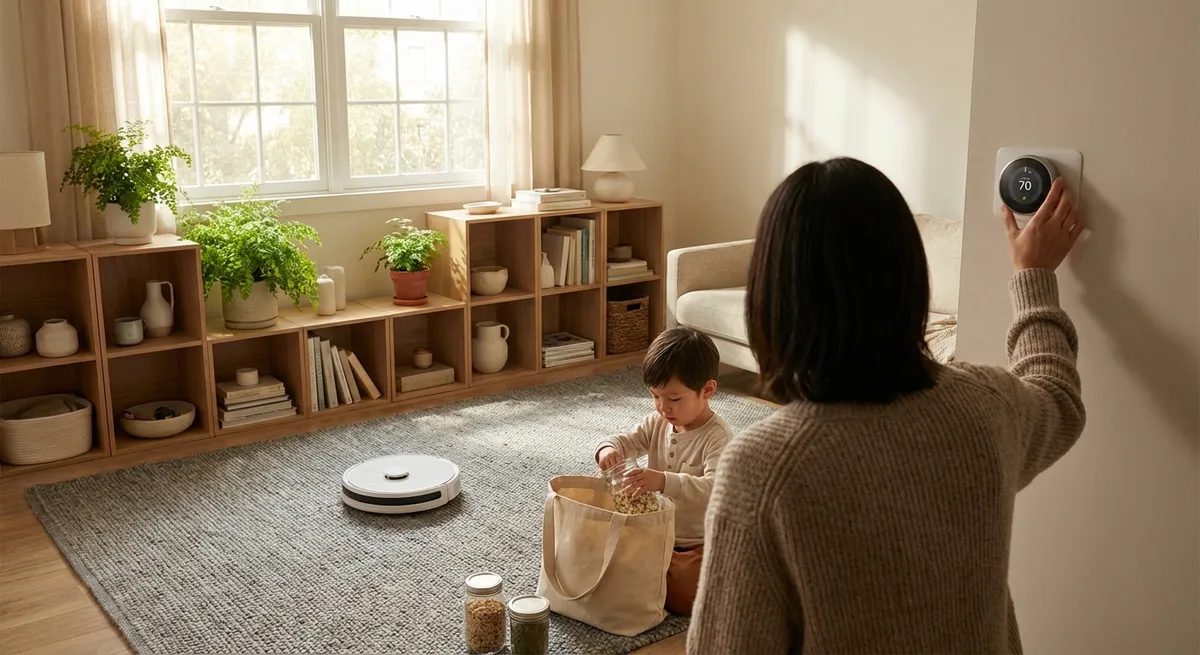
- Heating and cooling: Smart thermostats, ceiling fans, sealing drafts around windows/doors, and blackout curtains or blinds can significantly cut bills and improve sleep.
- Lighting: LED bulbs last longer and use less energy; choosing the right color temperature (warm for bedrooms/living rooms, cooler for workspaces) also affects mood and productivity.
- Major appliances: Refrigerators, washers, and dishwashers with good energy and water efficiency ratings can pay off over their lifespan—but only if your old ones are truly failing or inefficient.
Before buying:
- Check official energy labels and compare annual estimated operating costs, not just the purchase price.
- Think about your household size and habits. A giant washer may be inefficient for a single person, while a small one will strain in a large family.
- Consider simple, low-cost improvements (like sealing air leaks or adding curtains) before jumping into big-ticket upgrades.
Ask yourself: Am I buying this because I want the newest model—or because it will actually reduce ongoing costs and improve comfort in a measurable way?
Tip 4: For Garden & Outdoor, Design Around Maintenance You’ll Actually Do
Yards and gardens are notorious money pits when people buy for the yard they wish they had, not the time and interest they actually have.
Before spending on plants, tools, or landscaping features, be honest about:
- How many hours per week you really want to spend on yard work
- Whether you enjoy gardening or just want it to “look nice”
- How extreme your local climate is (heat, cold, wind, drought, rainfall)
Smart outdoor purchases prioritize:
- Native or climate-appropriate plants that need less water, fertilizer, and intervention
- Quality basic tools (a solid shovel, pruners, hose with good fittings) over gimmicky multitools
- Durable, comfortable seating you’ll actually use, instead of decorative pieces that fade or wobble after one season
- Simple irrigation solutions, like hose timers or drip systems, if watering is a chore you often skip
Avoid buying:
- Large numbers of impulse plants with no plan for spacing, sunlight, or long-term growth
- High-maintenance lawns or exotic species that fight your climate
- Big decorative pieces (fountains, pergolas, fire pits) before you’ve lived with the space for at least a season and know how you actually use it
Design for the level of care you’ll consistently provide, not the one you imagine during a sunny weekend at the garden center.
Tip 5: Test Before You Commit (Wherever Possible)
Many of the most regretted home & garden purchases could have been avoided with a small test run.
Before fully committing:
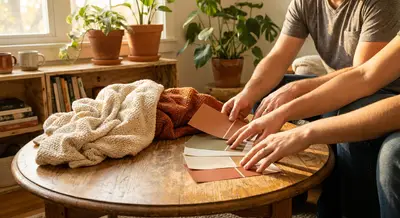
- Paint colors: Use sample pots or peel-and-stick swatches on multiple walls and look at them in morning, midday, and evening light.
- Rugs and furniture: Tape out dimensions on the floor to see traffic flow, door clearance, and how it visually fills the space.
- Mattresses and seating: Take advantage of trial periods and check the fine print—return shipping, restocking fees, and required minimum trial days.
- Smart home devices: Start with one room or one function (like lighting or a single smart plug) to see if you actually use the features before buying whole-house systems.
When shopping online, look specifically for:
- Clear photos from customers in real homes, not just staged marketing images
- Return policies that allow for reasonable at-home testing
- Warranties that cover realistic failure points (fabric seams, frames, motors)
Think of every new item as something you’ll need to clean, move, repair, or eventually dispose of. If you’re not confident it’s worth that long-term commitment, look for a smaller, less permanent version first.
Conclusion
The most satisfying home & garden purchases don’t just make your space prettier—they make your daily life easier, calmer, and more efficient.
When you focus on real pain points, long-term maintenance, appropriate energy savings, realistic yard care, and small tests before big commitments, you buy less—but enjoy your home far more.
Let your actual life, not marketing or trends, be the loudest voice in every buying decision. Over time, those smarter choices add up to a home that quietly works for you instead of constantly demanding more time, money, and energy.
Sources
- U.S. Department of Energy – Energy Saver - Guidance on energy-efficient appliances, lighting, and home upgrades
- Energy Star – Products for Consumers - Official ratings and information on energy-efficient home products and appliances
- University of Minnesota Extension – Yard and Garden - Research-based advice on plant selection, lawn care, and low-maintenance landscaping
- Mayo Clinic – Sleep Tips - Explains how environment and bedding can affect sleep quality
- Consumer Reports – Buying Guides - Independent testing and reviews of home, garden, and appliance products
Key Takeaway
The most important thing to remember from this article is that this information can change how you think about Home & Garden.