
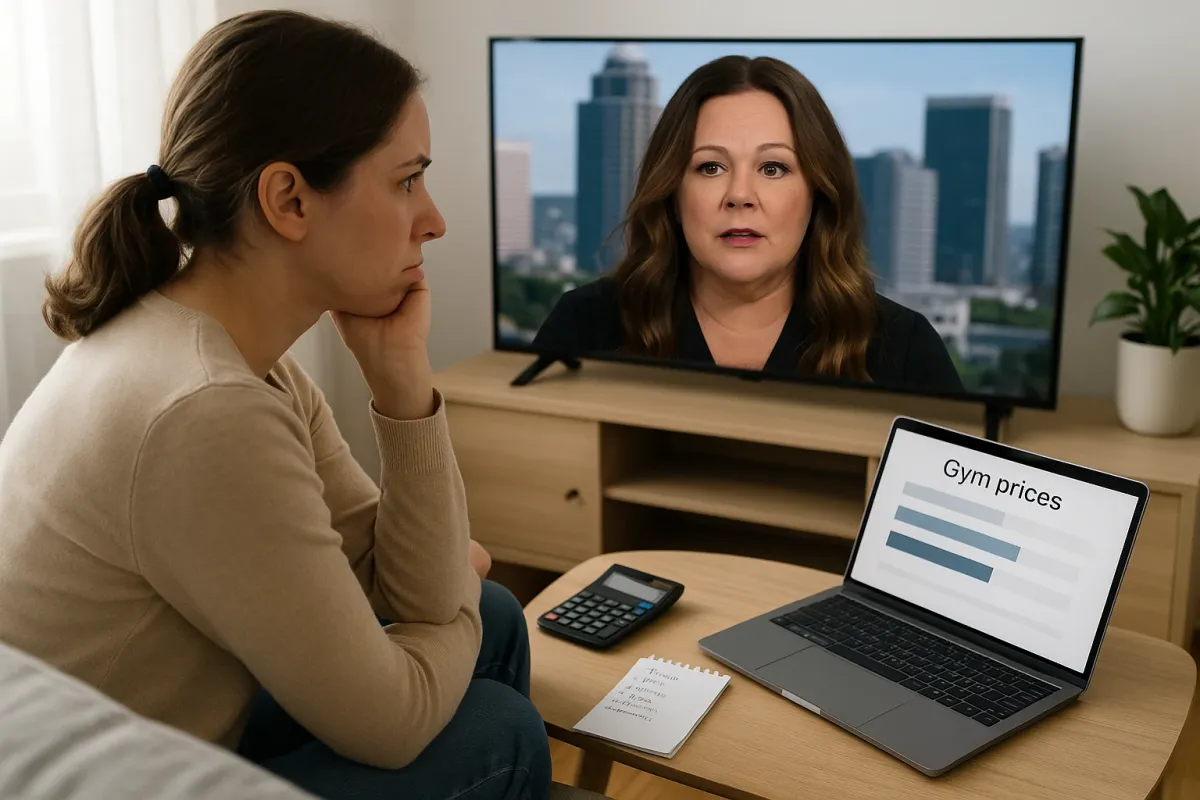
Melissa McCarthy’s recent “SNL” appearance has the internet buzzing—not just about her comedy, but about her reported 95-pound weight loss. Social media immediately exploded with speculation: was it Ozempic or other GLP‑1 weight loss injections, a strict diet, a new workout plan, or some mix of everything? Even Barbra Streisand accidentally stirred controversy by publicly wondering if McCarthy had used injections, echoing the way fans dissect every visible body change in Hollywood right now.
Whether you’re a fan or not, the reaction to McCarthy’s transformation says a lot about where beauty and fitness are in 2025: celebrity bodies are treated like product ads, and people at home are left wondering if they need expensive injections, boutique gyms, and high-end supplements just to “keep up.” On Buyers Pilot, we care less about the gossip and more about what this means for your wallet and your well-being. If you’ve ever seen a celebrity transformation and felt the urge to throw money at the “fastest” fix, this guide is for you.
Below are five practical, consumer-focused tips to help you navigate today’s weight-loss and fitness marketplace—so you don’t confuse celebrity narratives with smart spending.
1. Separate Celebrity Storylines From Actual Science
The coverage around Melissa McCarthy mirrors what we’ve seen with Oprah Winfrey, Elon Musk, and countless TikTok influencers linked to Ozempic, Wegovy, Mounjaro, and other GLP‑1 drugs. Every transformation becomes a “before and after” marketing moment—even when no one actually confirms what they did. That can quietly push you into overspending on whatever tool is being speculated about, whether that’s injectables, $300-a-month meal plans, or ultra-premium gym memberships.
Before buying into a method because a famous person supposedly used it, slow down and ask three questions:
- Is there clinical evidence?
Look for randomized controlled trials and guidelines from reputable sources (Mayo Clinic, Cleveland Clinic, NHS, national diabetes/obesity associations). Celebrity anecdotes are not data.
- Is this even accessible to me?
GLP‑1 drugs, for example, are prescription-only, often expensive, and frequently intended for people with obesity or Type 2 diabetes—not for casual “last 10 pounds” vanity goals. If you don’t qualify medically, no amount of spending will magically make them appropriate.
- What’s being left out of the story?
Celebrities have trainers, dietitians, chefs, stylists, and retouching. Even if injections are involved, they’re nearly always part of a larger lifestyle infrastructure you’re not seeing. Don’t compare your DIY efforts to a whole professional team.
Smart purchasing move:
Base big-ticket health buys (prescription programs, weight-loss clinics, long-term subscriptions) on medical advice and evidence, not on who’s trending on Instagram or who “looked thinner” on SNL.
2. Evaluate Weight-Loss Programs Like Long-Term Subscriptions, Not Quick Fixes
When a high-profile transformation goes viral, many people rush to sign up for the nearest expensive program: medically supervised clinics, online coaching, “metabolic reset” subscriptions, or influencer-promoted apps. These can run anywhere from $50 to over $500 a month when you include lab work, coaching calls, branded food, or supplements.
Instead of asking “Will this make me lose weight fast?” treat it like you would any other recurring, high-cost service:
- What happens after the “headline moment”?
McCarthy’s weight loss is being frozen in time as a single viral snapshot, but your body is a long-term project. Ask programs what maintenance looks like and how they support weight stability after the initial drop.
- Is there a clear, written plan beyond phase one?
Many programs are great at selling the first 12 weeks, then push you into endlessly expensive “maintenance” upsells. Look for transparent pricing and a clear exit path.
- Can you replicate the basics on your own later?
A good program teaches skills: portion awareness, meal planning, activity tracking, and realistic habit building. If it only works as long as you’re buying their shakes, bars, or injections, it’s more like renting results.
Smart purchasing move:
Before you pay, tell yourself: “I’m not buying a before/after photo. I’m buying a system.” If you can’t identify the system and how you’ll maintain it without constant premium fees, keep shopping.
3. Prioritize Tools That Help You Build Habits, Not Hype
Behind every major celebrity body change—whether it’s Jonah Hill, Adele, or Melissa McCarthy—the unglamorous constant is behavior change: consistent movement, adjusted calorie intake, better sleep, and usually less alcohol. But the beauty and fitness industry knows “habit” doesn’t go viral; dramatic devices and miracle ingredients do.
When you’re considering new purchases, ask whether they help you do one of three things:
- Make healthy actions easier (e.g., prepping meals, tracking steps, planning workouts)
- Make healthy actions more enjoyable (e.g., a workout you actually like)
- Make healthy actions more consistent (e.g., reminders, accountability, routine)
Examples of habit-supporting buys:
- A mid-range fitness tracker (or using your phone’s health app) to monitor steps and sleep instead of diving straight into a $500 smartwatch you don’t need.
- Adjustable dumbbells or resistance bands that unlock dozens of home workouts, instead of a single-purpose gadget collecting dust.
- A basic food scale and measuring cups to calibrate portion sizes for a few weeks, rather than a pricey “smart plate” you’ll stop using.
- A simple workout app or YouTube channel you’ll stick with, rather than a prestige boutique membership that stresses your budget and makes you feel guilty for not going.
Smart purchasing move:
Before you buy anything, finish the sentence: “This will help me consistently do X healthy behavior because…” If you can’t fill that in clearly, you might be paying for hype, not health.
4. Compare Costs Of Popular “Celebrity” Paths Before Committing
Celebrity-linked tools like GLP‑1s, private trainers, and nutraceutical stacks can feel like the only “serious” options because they’re all over the news cycle. But their price ranges are huge—and often utterly mismatched with the average person’s budget and needs.
Here’s how to sanity-check common routes without specific brand endorsements:
- Prescription weight-loss medication (e.g., GLP‑1 agonists):
- Often require medical criteria (BMI/health conditions).
- Can cost hundreds per month if not fully covered by insurance.
- May involve labs and ongoing monitoring.
- Best evaluated with a physician who knows your full medical history.
- Premium weight-loss clinics or concierge programs:
- Tend to bundle doctor visits, coaching, and proprietary products.
- Ask for a full written breakdown of monthly and annual costs before signing anything.
- Compare those costs to working directly with a registered dietitian plus a standard gym or at-home setup.
- Home fitness and lifestyle upgrades:
- A set of bands, a mat, and access to quality online workouts can be very affordable.
- Incremental upgrades (better shoes, a supportive sports bra, a modest set of weights) can have a big impact without subscription-style drain.
Smart purchasing move:
Make a simple one-page comparison:
- Column A: High-cost, high-hype options you’re considering.
- Column B: Lower-cost, sustainable alternatives (public health resources, basic gear, local community classes).
Then ask: “For the same annual spend, which option actually gets me moving more and eating better, most days of the week?” Choose the one that supports your daily reality, not the celebrity narrative.
5. Guard Your Mental Health From “Transformation” Pressure Before You Spend
The reaction to Melissa McCarthy’s body—accusations, speculation, praise, concern—shows how easily our culture turns weight into a public referendum. That same mentality shows up in marketing: “What’s your excuse?” “No more hiding your body by summer.” When you feel emotionally cornered, you’re more likely to splurge on extreme solutions instead of measured, sustainable ones.
Before making any big beauty or fitness purchase, do a quick emotional check-in:
- Are you panicking because of a comment, photo, or event?
Buying something when you feel ashamed or desperate often leads to regret purchases: unused gym memberships, fad diets, or devices you abandon.
- Are you trying to match someone else’s timeline?
You don’t know the full story behind a celebrity’s transformation—how long it took, what support they had, what they sacrificed. Your body is not on their deadline, and your budget shouldn’t be either.
- Can you start with a “free” or low-cost behavior first?
Walking more, cooking at home a few extra nights, or doing short bodyweight workouts costs little or nothing. If you can’t stick to these for a few weeks, expensive solutions are unlikely to “fix” the issue.
Smart purchasing move:
Set a 48-hour cooling-off period for any beauty or fitness buy over a certain amount (for example, $100). If, after two days and a couple of good nights’ sleep, the purchase still feels aligned with your long-term goals—not just your current emotions—it’s more likely to be worth it.
Conclusion
Melissa McCarthy’s reported 95-pound weight loss and the speculation around weight-loss injections are part of a bigger 2025 story: our culture keeps turning individual bodies into billboards for products, and that blurs the line between inspiration and marketing. You can respect someone’s hard work, root for their health, and even feel motivated by their progress—without letting their journey dictate your spending.
If you focus on evidence over rumors, evaluate programs like long-term subscriptions, choose tools that support habits, compare true costs, and protect your mental health from transformation pressure, you can build a beauty and fitness plan that fits your real life and your real budget. Celebrity headlines will keep changing; your body and bank account have to stick around. Buy for the person you are today and the life you actually live, not for a viral moment on someone else’s screen.
Key Takeaway
The most important thing to remember from this article is that this information can change how you think about Beauty & Fitness.