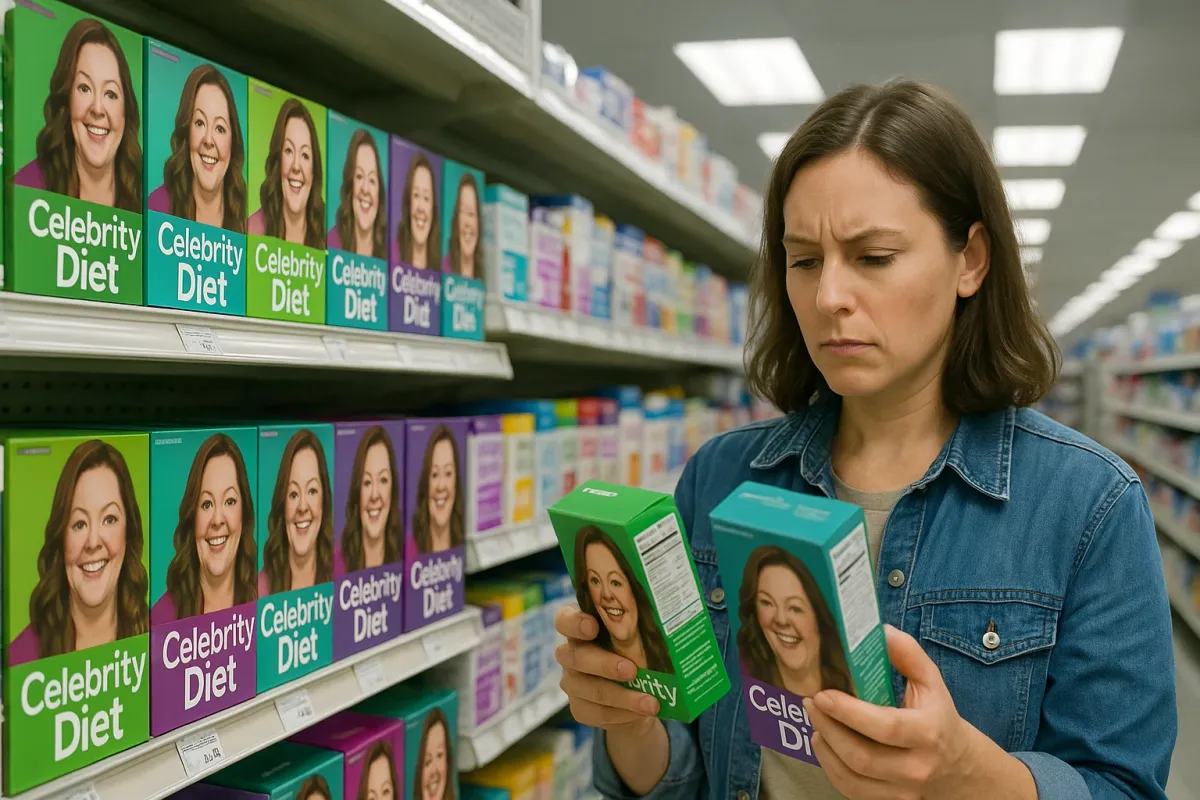
When Melissa McCarthy stepped onto the “SNL” stage and the internet lit up over her reported 95‑pound weight loss, the conversation immediately jumped to one thing: “Did she use Ozempic or other weight‑loss injections?” Even Barbra Streisand publicly wondered about it. That reaction says a lot about where we are right now: celebrity bodies have become instant marketing fuel for diet drugs, wellness apps, and “miracle” products—and brands are racing to cash in on the hype.
For buyers, that means your social feeds, YouTube pre‑rolls, and even podcast ads are now crowded with prescription drug names (Ozempic, Wegovy, Mounjaro/Zepbound), “peptide” clinics, fat‑burning gadgets, and “celebrity‑approved” supplements. The line between real medicine and aggressive marketing has never been thinner. Before you let one viral transformation push you toward an expensive subscription, sketchy clinic, or random supplement, it’s worth stepping back and learning how to navigate this new landscape like a pro.
Below, we’ll use the current Ozempic‑era buzz around Melissa McCarthy and other high‑profile weight‑loss stories as a backdrop—and then walk through 5 practical, research‑backed tips to help you make smarter, safer purchasing decisions in the weight‑loss and wellness space right now.
1. Separate Medical Treatment From Marketed “Lifestyle” Products
The McCarthy conversation centers on GLP‑1 medications—drugs like Ozempic, Wegovy, and Mounjaro that were developed to treat type 2 diabetes and obesity. These are prescription drugs with clinical trial data, side‑effect profiles, and strict oversight. But once celebrities allegedly use them, non‑medical brands rush in to ride the wave: “GLP‑1–friendly snacks,” “Ozempic-support supplements,” “peptide-inspired detox kits,” and more.
Before you buy anything in this ecosystem, ask one question:
Is this a regulated medical treatment, or a product trying to orbit around it?
If it’s a prescription medication, your path should always start with a licensed medical professional—not an Instagram ad or “online clinic” that approves everyone in five minutes. For nonprescription add‑ons, be wary of any brand that wraps itself in the language of real medicine (“clinical,” “doctor formulated,” “GLP‑1 boosting”) without actually being a drug. Those products are usually classified as supplements or “wellness” items, which in many countries (including the U.S.) do not need to prove they work before hitting the market. When in doubt, look for clear regulatory status (FDA‑approved drug, CE marked device, etc.) and treat everything else as marketing, not medicine.
2. Use “Celebrity Association” as a Red Flag, Not a Green Light
Melissa McCarthy has not built her career as a health influencer, yet a single appearance has triggered speculation and assumptions about her “secret.” This is the same pattern we’ve seen with other stars who are rumored—or confirmed—to be on GLP‑1s: people connect the transformation with whatever product is most visible at the moment. Marketers know this, and some quietly place ads or sponsored content right where your curiosity is highest.
When you see a product paired with a viral body transformation—whether it’s a supplement, digital program, or gadget—treat that association as a prompt to slow down, not speed up. Search for the product name plus phrases like “independent review,” “clinical study,” and “side effects.” Avoid taking any claim at face value unless:
- The celebrity has clearly disclosed a paid partnership.
- The company provides verifiable data (not just “lost 30 pounds in 30 days” testimonials).
- The product’s main benefit can be explained without leaning on the celebrity at all.
For smart buyers, celebrity buzz is background noise, not a buying signal. Use it to trigger research, not impulse purchases.
3. Compare Long‑Term Costs, Not Just First‑Month Deals
One reason GLP‑1 medications dominate headlines is cost: monthly prices can run from several hundred to well over a thousand dollars in the U.S. without insurance, and shortages have been widely reported. That cost shock has helped fuel a growing industry of “alternatives”: lower‑priced online clinics, overseas pharmacies, compounded semaglutide, ongoing “weight‑management memberships,” and stacks of supplements positioned as cheaper options.
Before you sign up for anything in this space—whether it’s a drug program, an app, or a supplement subscription—map out the 12‑month cost, not just the intro offer. Ask:
- Is this a one‑time purchase or an ongoing subscription?
- Does the advertised price include medical visits, bloodwork, and follow‑ups, or are those extra?
- Will I be charged for “maintenance” access, coaching, or mandatory refills later?
- If I stop paying, do I lose all access (to the app, support, or even the medication)?
For many buyers, the real financial pain begins in month 3 or 4, when introductory discounts end and auto‑renewals kick in. Inflation and supply issues can also change pricing mid‑plan. A smart approach is to compare products and services based on your expected total cost over a year, then ask whether that number fits your budget and priorities better than, say, investing in a nutrition consult, gym access, or mental‑health support instead.
4. Check the Evidence Tier: Clinical Data vs. Vibes and Anecdotes
GLP‑1 drugs are trending because they have large clinical trials behind them. But many of the products riding the wave—even ones implying they help you “optimize” or “support” GLP‑1 pathways—do not. Instead, they rely heavily on TikTok testimonials, influencer before‑and‑afters, or vague references to “research” that you can’t actually read.
Before you spend, do a quick evidence scan:
- Best tier: Peer‑reviewed, human clinical trials on the actual product or its specific ingredients, in doses that match what you’re buying.
- Middle tier: Transparent ingredient lists with at least some independent research behind them, even if not perfect.
- Lowest tier: Buzzwords (metabolic, detox, peptide, sculpting), unverifiable “studies,” or results that only live in user reviews and reels.
You don’t need to be a scientist to filter this. On the brand’s site, look for a “Clinical Studies,” “Research,” or “Science” section. If all you see are glam shots, dramatic transformations, and vague claims like “backed by science” with no links or citations, you’re being asked to buy on vibes, not data. For expensive wellness products, that’s rarely a good deal.
5. Align Purchases With Your Real Goals, Not the News Cycle
The McCarthy story, like most sudden celebrity weight‑loss buzz, is a snapshot—not a full picture of health, daily life, or long‑term maintenance. Meanwhile, you’re being sold products based on that one snapshot. The smartest buying decision you can make is to ignore the news cycle for a moment and get brutally honest about your own goals and constraints.
Ask yourself:
- Am I seeking rapid weight change, or sustainable health changes I can live with?
- Do I have medical conditions that make doctor‑supervised care non‑negotiable (e.g., diabetes, heart issues)?
- How much time and money am I realistically willing to invest every month—not just during a burst of motivation?
- Are there lower‑cost, lower‑risk changes (dietary tweaks, sleep, stress management, physical activity) I haven’t seriously tried yet?
Once you’ve clarified your goals, evaluate each product or program by how well it supports those—rather than how closely it tracks one celebrity’s rumored routine. For some, a medically supervised GLP‑1 plan might indeed be the right, evidence‑based choice. For others, the best “purchase” won’t be a drug or supplement at all, but a nutrition consult, a fitness class membership, or even a therapy app to address emotional eating patterns. The win isn’t matching anyone else’s body; it’s putting your money where it actually moves your own life forward.
Conclusion
Melissa McCarthy’s much‑discussed transformation has reignited a familiar cycle: a celebrity body changes, headlines speculate, brands swarm, and buyers are left to sort out what’s real, what’s hype, and what’s just opportunistic marketing. In this Ozempic‑obsessed moment, it’s easy to feel like you’re missing out on a “secret” everyone else has already bought.
You don’t control the headlines, but you do control how you respond to them as a consumer. By separating medicine from marketing, treating celebrity buzz as a caution sign, comparing long‑term costs, checking the evidence, and aligning every purchase with your real goals, you turn a noisy trend into useful background information—not a shopping list.
In a world where every viral body becomes an ad, the smartest move you can make is simple: let the news inform you, not rush you. Your wallet—and your health—will be better for it.
Key Takeaway
The most important thing to remember from this article is that this information can change how you think about Reference.