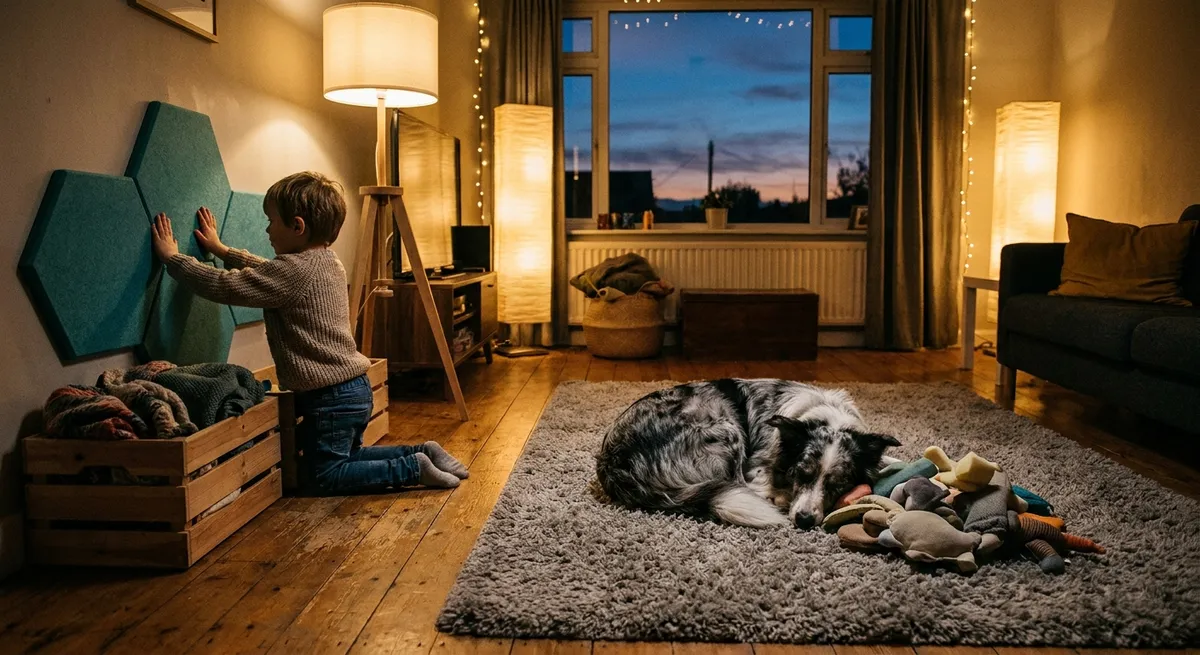
Some pets thrive in chaos; others flinch at a dropped spoon or distant thunder. If your dog hides during fireworks or your cat vanishes when the vacuum comes out, buying the right gear (and avoiding the wrong kind) can make a huge difference. With so many “calming” products and pet gadgets on the market, it’s easy to overspend on things that don’t help—or even make the problem worse. This guide focuses on practical, purchase‑focused decisions that support noise‑sensitive pets while keeping your budget and expectations grounded.
Understanding Noise Sensitivity Before You Shop
Before adding anything to your cart, it helps to understand what noise sensitivity actually is. Some pets are naturally more sound‑aware due to breed tendencies, early life experiences, or even age‑related changes like hearing loss that make certain frequencies more startling. Others may show fear responses specifically linked to past scary events, such as a loud construction project or a major storm.
Recognizing patterns in your pet’s reactions gives you clearer buying criteria. Do they react mainly to outdoor sounds (sirens, fireworks, lawnmowers) or indoor ones (blenders, TV, hair dryer)? Do they bounce back quickly after a sound ends, or stay anxious for hours? Observing this helps you distinguish between products that address the root problem (sound exposure and stress) and those that only offer surface‑level distraction. It also keeps you from buying “one‑size‑fits‑all” solutions that aren’t tailored to your pet’s specific triggers.
Tip 1: Prioritize the Environment Before Gadgets
The most effective “product” for a noise‑sensitive pet is often the room they live in, not the latest device. Before shopping for specialized calming gear, invest in basic environmental upgrades that lower overall sound and give your pet predictable safe spaces. Thick rugs, fabric curtains, draft stoppers under doors, and even bookcases along shared walls can reduce how much noise reaches your pet—often more reliably than high‑priced specialty items.
For dogs or cats that hide during storms or fireworks, consider whether you already own items that can become a refuge: a closet with thick clothes, a crate partially covered with a heavy blanket (allowing ventilation), or a quiet interior room away from windows. If you decide to buy something, choose products that enhance these spaces rather than replace them: a well‑fitting crate, a padded bed that dampens vibration, or a white‑noise machine designed for human use but placed safely away from chew‑prone pets. Aim to tune down environmental noise first, so any future purchases build on a calmer baseline instead of trying to fight a noisy setting.
Tip 2: Compare “Calming” Wearables With a Critical Eye
Calming wraps, vests, and tight‑fitting shirts are heavily marketed to owners of anxious pets, especially around firework and storm seasons. These products apply gentle, sustained pressure that may help some animals feel more secure, but they are not universally effective and can be uncomfortable if poorly fitted. When shopping, look for clear sizing guides based on measurements (not just weight), breathable fabrics, and photos that show how the garment fits around shoulders and chest without restricting movement.
Read buyer reviews with attention to pets that resemble yours in size and temperament rather than focusing on star ratings alone. Many owners report that the garment only helps when introduced gradually, away from stressful events, so factor in the time you’ll need to condition your pet to wearing it. Be wary of any product that claims to “cure” anxiety or eliminates the need for training or veterinary guidance; instead, think of these items as potential tools in a broader strategy. If possible, start with a retailer that accepts returns on pet apparel, so you’re not stuck with an expensive vest your pet refuses to tolerate.
Tip 3: Choose Sound‑Related Tech That You Can Actually Control
From specialized “pet relax” playlists to smart noise‑masking machines, sound‑based tech has exploded in popularity. Some of these tools can genuinely help noise‑sensitive pets by covering unpredictable sounds with more neutral, consistent noise. Others are just rebranded standard devices with a higher price tag. When comparing options, focus less on pet‑themed branding and more on features you can control: volume range, sound type, timer settings, and whether the device keeps working during brief power interruptions.
Consider whether a basic white‑noise or fan sound machine meets your needs before paying extra for preloaded “pet relaxation” tracks. Simple, steady broadband noise often masks environmental sounds better than complicated music or nature soundscapes, which can include sudden bird calls or dynamic shifts that startle sensitive animals. If you try streaming music or playlists, test them at low volume first and watch your pet’s body language closely. Value flexibility over gimmicks—devices that let you adjust loudness in small increments and change between sound profiles give you a better chance of matching your pet’s comfort level without over‑stimulating them.
Tip 4: Be Strategic With Treats, Toys, and Puzzles
Treats and toys can be powerful allies for noise‑sensitive pets when used thoughtfully, but they’re also an easy way to overspend. Instead of buying every “calming” chew or puzzle toy, look for items that support specific training goals: building positive associations with moderate sounds, encouraging independent play in safe spaces, and slowing down frantic pacing behaviors. Chew toys made from durable, non‑toxic materials can help dogs self‑soothe, while food puzzles and foraging toys encourage cats and dogs to focus on problem‑solving instead of scanning for potential threats.
When evaluating “calming” treats or chews, check for clear ingredient lists, labeled amounts of active compounds (like L‑theanine or alpha‑casozepine), and guidance on when to involve your veterinarian—especially if your pet is on other medications or has health conditions. Avoid impulse‑buying large quantities of any consumable until you’ve seen how your pet responds. Stick with one new item at a time so you can tell what actually helps. The smartest purchases are those that easily integrate into daily routines you can maintain, rather than one‑off novelties your pet engages with once and ignores.
Tip 5: Know When Professional Help Is the Best “Purchase”
Some of the smartest money you can spend for a severely noise‑sensitive pet isn’t on physical products at all—it’s on expert guidance. If your pet trembles, drools, hides for hours, refuses to eat, or becomes destructive around certain noises, a consultation with your veterinarian is an essential first step before piling on more gear. Vets can rule out pain or medical conditions that make animals more reactive and, when appropriate, discuss medication or supplements that reduce overall anxiety, making training and environmental changes more effective.
Beyond general vet care, certified behavior professionals (such as veterinary behaviorists or qualified trainers experienced with fear and anxiety) can tailor desensitization and counter‑conditioning plans to your home environment. While their services have an upfront cost, they help you avoid a cycle of buying product after product with minimal improvement. As you evaluate potential specialists, look for credentials, transparent fee structures, and a willingness to work with you remotely if in‑person access is limited. Thinking of professional advice as a core purchase—not a last resort—often leads to fewer, more targeted product buys and a better outcome for your pet.
Conclusion
Living with a noise‑sensitive pet doesn’t mean resigning yourself to a house full of expensive, lightly used “calming” products. By focusing first on shaping the environment, then choosing wearables, sound tools, and enrichment items that match your pet’s specific triggers and temperament, you can build a calmer daily life without guesswork shopping. The most effective spending tends to be deliberate rather than reactive: observe, plan, and only then buy. When you combine thoughtful purchases with professional guidance where needed, you give your pet the best chance at a quieter mind—and your home a quieter, more peaceful rhythm.
Sources
- American Veterinary Medical Association – Anxiety and Stress in Pets – Overview of signs of anxiety, when to see a vet, and general management strategies
- American Kennel Club – Dog Noise Anxiety: Symptoms and Treatment – Details on noise phobias in dogs, including behavior, training, and product considerations
- Cornell University College of Veterinary Medicine – Behavior Problems in Cats – Explains fear‑related behaviors in cats and how environment and management affect them
- Ohio State University Veterinary Medical Center – Indoor Pet Initiative – Research‑based advice on creating low‑stress home environments and choosing appropriate enrichment
- Merck Veterinary Manual – Storm Phobias in Dogs – Clinical perspective on sound and storm phobias, including when professional intervention and medication are appropriate
Key Takeaway
The most important thing to remember from this article is that this information can change how you think about Pets & Animals.