Books can be life-changing, but the cost of building a great library adds up quickly. Between glossy hardcovers, collector editions, and endless digital deals, it’s easy to overspend—or end up with shelves full of titles you never finish.
This guide focuses on how to buy books more strategically, without losing the joy of reading. You’ll learn how to match formats to your lifestyle, spot real value beyond hype, and use five practical tactics to stretch your book budget further—while still discovering stories and ideas you love.
Rethinking the “Must Own” Mindset
Book marketing often pushes urgency: limited editions, movie tie-in covers, launch discounts, and social media hype. That pressure can nudge readers into buying books they don’t actually need or even end up reading.
Instead of assuming every interesting book must be owned, reframe your thinking around access, not accumulation. Ask yourself: Do I need permanent access to this book, or just a one-time read? Reference books, professional titles, and personal favorites are great to own. Fast fiction reads, trend-driven non-fiction, or “I’m just curious” titles may be better borrowed, shared, or bought used.
This shift reduces clutter, keeps costs manageable, and helps you focus your spending on books that genuinely earn a long-term spot in your collection. It also encourages more intentional reading—you’re not just chasing trends, you’re curating a personal library that reflects your interests and values.
Choosing the Right Format for How You Read
Format decisions are often emotional: the feel of a hardcover, the convenience of an e-book, the warmth of an audiobook narrator. But smart buying also considers cost, longevity, and how you actually consume content.
Hardcovers are usually most expensive but most durable, making them good for reference works, favorites you’ll reread, or books you want to display or lend. Paperbacks are lighter and cheaper, great for travel reads or fiction you might read once and pass along. E-books offer instant access, adjustable text size, and frequent discounts—but you’re typically licensing access rather than owning a physical object, so terms can change. Audiobooks can be perfect for commuters or multitaskers, but per-title costs can be high unless you use subscription credits efficiently or leverage library access.
Think about your habits: If you rarely reread, a cheaper paperback, used copy, or digital borrow is likely enough. If you annotate heavily or refer back often, a physical copy may justify the higher price. Matching format to usage prevents you from overpaying for features (like premium bindings or special editions) you don’t truly need.
Five Practical Tips for Smart Book Buying
Smart book buying isn’t about never spending; it’s about spending with intention. These five tips help you get more value from every book dollar.
1. Test Before You Buy: Sample, Borrow, or Preview
Before committing to a purchase, try to experience part of the book at low or no cost. Many online retailers offer free chapters or “Look Inside” previews so you can evaluate the writing style, tone, and structure. Public libraries often stock new releases and bestsellers quickly, letting you try buzzed-about titles without financial risk. If you’re on the fence about a dense non-fiction book, borrow or preview it first; you’ll quickly know if it’s engaging enough to justify owning.
This approach is especially helpful for expensive textbooks, technical manuals, or niche non-fiction. Testing reduces the chance that you’ll buy something that looks good in theory but doesn’t work for you in practice. If you finish a borrowed book and still think about it weeks later, that’s a strong sign it’s worth paying for a personal copy.
2. Compare Editions Instead of Clicking the First Option
Retailers often default to a particular edition that isn’t necessarily the best value. Always check the product page (or publisher site) for alternative formats and editions: trade vs. mass-market paperback, older vs. updated editions, standard vs. annotated or illustrated versions. An older edition may be significantly cheaper but missing updated data or chapters, which can be a dealbreaker for academic or professional use and less important for classic fiction.
Look closely at page counts, publication dates, and any notes on revisions or additional content. For textbooks and non-fiction, verify whether an instructor or course truly requires the newest edition; sometimes page numbers and problems change, but core content remains similar. A bit of comparison shopping can easily shave 30–60% off your cost while still delivering all the content you actually need.
3. Leverage Used, Independent, and Library-Supported Options
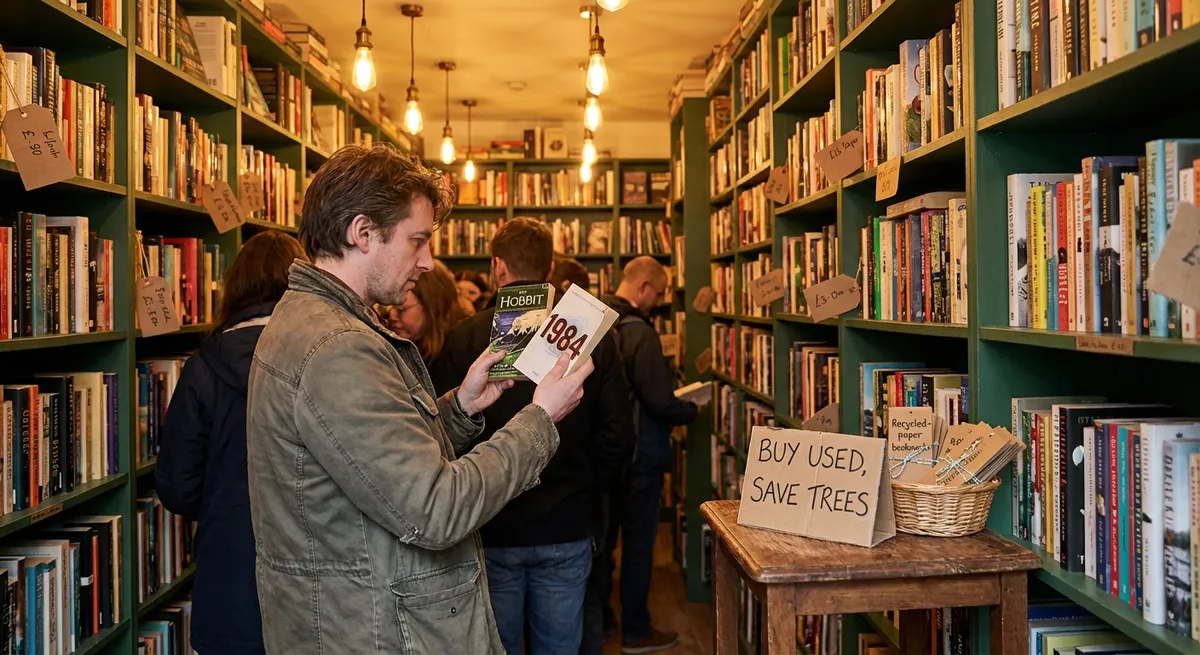
You don’t have to buy new to support reading. Used bookstores, online marketplaces, and library sales often offer high-quality copies at a fraction of retail price. For popular titles, these sources can be nearly indistinguishable from new, especially if you’re willing to accept mild wear.
Independent bookstores sometimes match or approach online prices through promotions, loyalty programs, or store credit for trade-ins. Many libraries also run ongoing or seasonal sales of withdrawn or donated books, where you can find reference materials, children’s literature, and older bestsellers for very low prices. For audiobooks and e-books, check whether your local library offers digital lending apps; these can drastically reduce your need to buy every title you want to read once.
By mixing new, used, and borrowed options, you can redirect savings toward the books you truly value owning—such as supporting debut authors or small presses you want to see thrive.
4. Time Your Purchases Around Price Drops and Seasonal Cycles
Book pricing often follows predictable patterns. Hardcovers usually release first at a premium, followed by cheaper paperbacks months later. If you don’t need immediate access, waiting for the paperback release or a later discount can save a significant amount. E-book prices also fluctuate, with temporary promotions, “deal of the day” offers, and backlist sales.
Academic and professional books have their own cycles, especially around semester starts. Prices can spike right before classes begin and drop closer to midterm as students resell or rent returns hit the market. Planning ahead and buying early—or waiting until after the initial rush—can lead to better deals.
If you track a few books over time, you’ll get a sense of typical price ranges. Setting personal “buy thresholds” (for example, “I’ll buy this when the price drops below X”) helps you avoid impulse purchases at peak prices.
5. Align Your Book Budget With Your Actual Reading Pace
It’s easy to buy books at the speed of your excitement rather than the speed of your reading. To avoid a growing “to-be-read” pile that ties up your budget, compare your monthly reading pace to your buying habits. If you realistically read two books a month but buy six, you’re prepaying for months of future reading—while new, more tempting titles keep appearing.
Consider setting a simple rule: read one or two owned books before buying another, or cap the number of unread books you allow yourself to have at any time. You can also assign yourself a monthly or quarterly book budget and decide intentionally where that money goes: new releases, backlist classics, used finds, or special editions.
This restraint doesn’t reduce your love of reading; it ensures the books you do buy are more likely to be chosen carefully, read sooner, and appreciated more fully, rather than forgotten on a crowded shelf.
Balancing Joy, Value, and Space in Your Personal Library
A thoughtful book collection is less about quantity and more about fit: the right mix of formats, subjects, and authors for your life. When you buy with intention—sampling first, comparing editions, mixing new and used, timing your purchases, and aligning them with your reading pace—you turn book buying into a deliberate, satisfying process instead of a reactive habit.
Smart purchasing doesn’t mean saying no to beautiful editions or spontaneous finds; it means understanding when they’re a true delight and when they’re just another impulse. Over time, this approach helps you build a library that reflects who you are, supports what you’re learning, and respects both your budget and your space.
Sources
- Pew Research Center – Who doesn’t read books in America? - Data on reading habits and formats, useful for understanding how people access books
- American Library Association – Value of Libraries - Explains how libraries support access to books, including digital lending options
- Federal Trade Commission – Shopping Online - General consumer advice on smart online shopping, price comparison, and avoiding pitfalls
- Penguin Random House – Formats Explained - Overview of differences between book formats and why they’re priced differently
- U.S. Department of Education – Choosing College Textbooks - Guidance on managing textbook costs, edition choices, and alternative access options
Key Takeaway
The most important thing to remember from this article is that this information can change how you think about Books & Literature.