
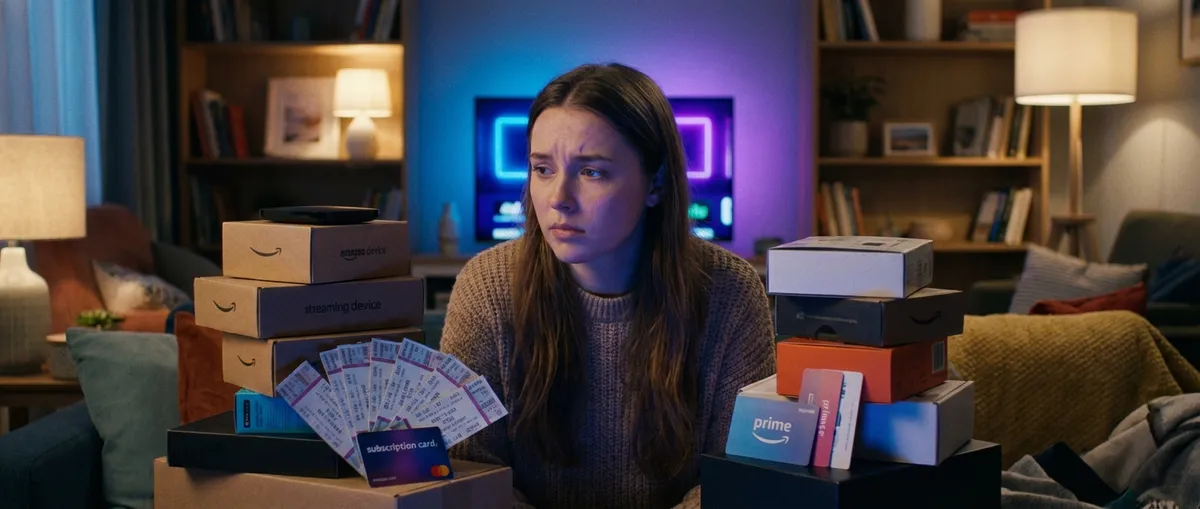
Entertainment has never been more accessible—or more overwhelming. Between streaming platforms, gaming subscriptions, concert tickets, and digital rentals, it’s easy to spend a lot without feeling like you’re getting real value. Buyers Pilot readers want more than just “cheap”; you want smart, intentional choices that match your actual habits. This guide breaks down how to build an entertainment mix that fits your lifestyle, not the other way around, and includes five practical tips to keep your arts and entertainment spending both satisfying and sustainable.
Mapping Your Entertainment Lifestyle Before You Spend
Before signing up for yet another subscription or buying premium tickets, start with one basic question: What do I actually use and enjoy most? Treat your entertainment like any other important purchase—begin with a quick audit instead of impulse decisions.
Look at the last three months of your habits: How often did you watch movies, go to live shows, play games, read books, or visit museums? Check your bank or credit card statements for recurring charges you barely notice—streaming services, digital magazines, cloud gaming, music subscriptions. Many people discover they’re paying for overlapping services that deliver the same type of content.
It also helps to separate “must-have” from “nice-to-have.” Maybe you truly use your music streaming app daily, but that extra specialty channel you got for one show has been idle for weeks. Knowing your real patterns makes it easier to decide where to invest (like a membership at a local theater you regularly attend) and where to cut back (like a niche streaming platform you rarely open).
Once you see the full picture, you can consciously choose what to keep, cancel, or swap, rather than letting entertainment expenses silently accumulate in the background.
Understanding the Real Cost of “Unlimited” Entertainment
The entertainment industry increasingly runs on subscriptions: all-you-can-watch, listen, read, or play for a flat monthly fee. This feels convenient, but the economics only work in your favor if your usage matches the model.
Start by calculating your effective cost per use. If you pay $15 a month for a streaming service and only watch two movies, you’re effectively paying $7.50 per film. Compare that to a one-time digital rental or a library DVD—suddenly the subscription might not look like the best value. The same logic applies to gaming passes, audiobook memberships, and digital magazine bundles.
Be wary of promotional pricing. Introductory offers (like $0.99 for three months) are designed to get you in the door, with the expectation that you’ll forget to cancel before the price jumps. Set calendar reminders for trial end dates, and decide in advance what would justify keeping the service at full price (for example: “I’ll keep this only if I use it at least twice a week”).
Also consider overlap. Do you have multiple platforms offering almost the same catalog? Perhaps your internet or phone plan includes a bundled service you’re also paying for separately. Reducing duplication often means you can afford one higher-quality service or occasional premium experiences—like a special concert or a curated streaming rental—rather than paying for several mediocre options.
Finally, remember opportunity cost. Every dollar locked into subscriptions is a dollar you can’t put toward live events, local arts, or one-time purchases you might value more. “Unlimited” is only a good deal if it aligns with what you’ll actually use.
Choosing Between Live Experiences and At-Home Options
Live arts and entertainment—concerts, theater, dance, festivals—offer an energy and connection you can’t replicate at home, but they also tend to be the most expensive. On the other hand, streaming and digital options are cheaper but more isolated. Striking the right balance is key to getting value from both.
When considering a live event, look beyond the ticket price. Factor in all add-ons: booking fees, transportation or parking, food and drinks, and possibly childcare. The full cost can be double what the ticket stub shows. Decide whether the total experience—seeing a favorite artist, supporting a local troupe, sharing a night out with friends—is worth that holistic cost, not just the headline number.
At-home options are often better for broad, casual consumption: exploring new artists, watching non-essential films, or revisiting old favorites while multitasking. Live events might be best reserved for truly special experiences: a bucket-list band, a once-a-year festival, or a local performance scene you want to support.
A good strategy is to create an “experience budget” within your entertainment spending. For example, commit a set monthly amount to digital services and a quarterly or yearly amount to live events. This lets you say yes to special opportunities without blowing up your finances when a big tour or new show pops up.
In some cities, museums, theaters, and concert halls offer discounted nights, student or senior pricing, rush tickets, or “pay what you wish” options. These can provide the live experience at a fraction of the usual cost, especially if you’re flexible about dates or seating.
Five Practical Tips for Smarter Arts & Entertainment Purchases
Here are five concrete, consumer-focused strategies to help you get the most out of every dollar you spend on entertainment:
1. Run a quarterly “subscription cleanse.”
Every three months, list all your entertainment subscriptions: streaming video, music, gaming, digital news, audiobooks, cloud storage for media, and creative platforms. For each one, ask: Did I use this at least four times this month? If not, cancel or pause it. Many services allow you to rejoin quickly later—treat subscriptions as temporary tools, not permanent fixtures.
2. Use a “one in, one out” rule for recurring costs.
Before adding a new subscription or membership, choose one to downgrade, pause, or cancel. This forces a direct comparison: Is this new art house streaming service really more valuable to you right now than that extra gaming pass? The result is a curated, not cluttered, entertainment ecosystem.
3. Compare pay-per-view and library options before renting or buying.
When you’re about to rent a movie or buy an e-book, quickly check if your local library offers it digitally through apps like Libby or Hoopla, or if it’s included in a service you already pay for. You might discover you can watch or read the same content at no extra cost, especially for older titles. Save purchases for items you’ll truly revisit, like a favorite album on vinyl or a reference-heavy art book.
4. Treat premium tickets like any major purchase: research the market.
Before buying concert or theater tickets, check official primary sellers first (the venue or official ticket partner) and compare with verified resale platforms. Look at seat maps, price history (some sites track this), and whether dynamic pricing is in effect. Sometimes waiting a bit can lower prices as the event nears; other times, demand drives them up. If you’re flexible on date or section, you often get a better deal without sacrificing much of the experience.
5. Look for bundles and benefits you already have.
Many credit cards, wireless carriers, and internet providers include entertainment perks like free months of streaming, discounts on music services, or “buy one, get one” ticket offers. Check your existing accounts before paying full price. Also, organizations like museums, film societies, and community arts centers often bundle perks—discounted tickets, member-only events, or free guest passes—into annual memberships that can pay for themselves if you attend regularly.
Supporting Creativity Without Overspending
Smart entertainment spending isn’t just about saving money; it’s also about directing your money toward what you genuinely want to see more of. Every purchase is a small vote: for certain artists, formats, platforms, and business models.
When possible, consider supporting creators and institutions more directly. Buying music or merchandise from an artist’s official store, purchasing ebooks from independent publishers, or attending shows at smaller venues often ensures more of your money reaches the people actually making the work. Local arts organizations, independent cinemas, and community theaters frequently operate on tight budgets; a reasonably priced ticket there can have more impact than a higher-priced blockbuster elsewhere.
That doesn’t mean you need to avoid mainstream platforms or big tours entirely. It just means being conscious. If your budget is limited, you might choose one large-scale show a year and several smaller, locally produced events. Or you might keep one general-purpose streaming service but subscribe directly to your favorite creator’s crowdfunding page or newsletter instead of joining another generic bundle.
Ultimately, the goal is alignment. You want your spending to line up with your values—supporting creativity, diversity, accessibility—and with your actual lifestyle. When your entertainment choices are intentional rather than automatic, your enjoyment goes up while the sense of financial clutter goes down.
Conclusion
Arts and entertainment should enrich your life, not quietly drain your wallet. By understanding how subscription models work, balancing live experiences with at-home options, and applying a few simple rules—like regular subscription cleanses and careful ticket research—you can build an entertainment mix that feels both satisfying and sustainable. The point isn’t to cut out fun; it’s to make sure that when you do spend, you’re paying for what genuinely matters to you. A bit of structure around your choices now means more room for the shows, games, performances, and stories you’ll actually remember later.
Sources
- Federal Trade Commission – Subscriptions, Auto-Renewals, and Free Trials - Guidance on managing recurring charges, free trials, and avoiding unwanted subscription costs
- Consumer Financial Protection Bureau – Managing Your Money: Subscriptions - Broader consumer advice on recurring payments and how they impact your budget
- Pew Research Center – Streaming Wars: How People Watch TV and Movies Today - Data on how audiences use streaming services and changing entertainment habits
- American Library Association – Libraries and Digital Media Access - Information on how public libraries provide free or low-cost access to ebooks, audiobooks, and digital media
- National Endowment for the Arts – Arts Participation Data and Reports - Research on how people engage with live arts events, museums, and creative activities
Key Takeaway
The most important thing to remember from this article is that this information can change how you think about Arts & Entertainment.