
Buying a home is one of the biggest financial decisions most people ever make—and one of the hardest to undo. Listings move fast, emotions run high, and it’s easy to get swept into a “just make an offer” mindset. This guide walks you through practical, consumer-first strategies to slow things down just enough so you can make a confident, informed purchase that fits your real life and your long-term finances.
Understanding What You’re Really Buying
When you purchase a home, you’re not just buying walls and a roof—you’re buying a location, a lifestyle, a set of monthly costs, and a list of future responsibilities. Many disappointed buyers discover too late that the neighborhood doesn’t feel right, the commute is draining, or the maintenance demands are overwhelming.
A helpful way to think about real estate is as a bundle of ongoing obligations rather than a one-time purchase. That bundle includes property taxes, insurance, utilities, repairs, HOA fees (if any), and the cost of your time. Before you fall in love with a kitchen or floor plan, pause to ask: “What does it take to actually live here—financially and practically—for the next 5–10 years?” Looking at the home this way turns an emotional choice into a clearer, more grounded decision.
Tip 1: Start With a “Total Monthly Cost” Instead of Just the Price
Many buyers fixate on the listing price or what a lender says they “can afford,” then feel stretched once all the bills roll in. Focusing on total monthly cost keeps you anchored in your real budget instead of an ideal scenario.
When you look at a potential home, estimate:
- Mortgage payment (principal + interest) at current rates
- Property taxes, often shown in the listing or county records
- Homeowners insurance, which can vary by location and home type
- HOA or condo fees, if applicable
- Utilities (ask the seller or agent for recent bills if possible)
- Typical maintenance/reserve (a common rule of thumb is around 1% of the home’s value per year, more for older homes)
Add these up and compare that figure to what you’re paying now, and to what you’re truly comfortable with—not just what a bank approves. A home that “technically fits” your pre-approval might leave you with no cushion for savings, travel, or emergencies. A slightly less expensive property that fits your lifestyle budget will usually feel better and be more sustainable over time.
Tip 2: Weigh the Neighborhood as Heavily as the House
A great house in the wrong area is rarely a great deal. Schools, safety, noise, commute times, and community amenities all affect your everyday experience and long-term resale value. Many buyers spend hours comparing countertop materials but only a few minutes actually walking the neighborhood.
Before committing, try to:
- Visit at different times: morning rush, late evening, weekends
- Test the commute to work or school during typical traffic
- Check noise levels (near busy roads, airports, train tracks, nightlife)
- Look up local school ratings, if relevant for you or future buyers
- Walk or drive the surrounding streets for a feel of upkeep and activity
- Note nearby services: grocery, parks, medical care, public transit
Online tools can give you a starting point for crime statistics, walkability, and amenities, but your own experience matters most. Ask yourself, “If this exact house were in a slightly different neighborhood, would I still be this excited?” If the answer is no, you might be prioritizing the property over the lifestyle it actually delivers.
Tip 3: Treat the Inspection as a Negotiation Tool, Not a Formality
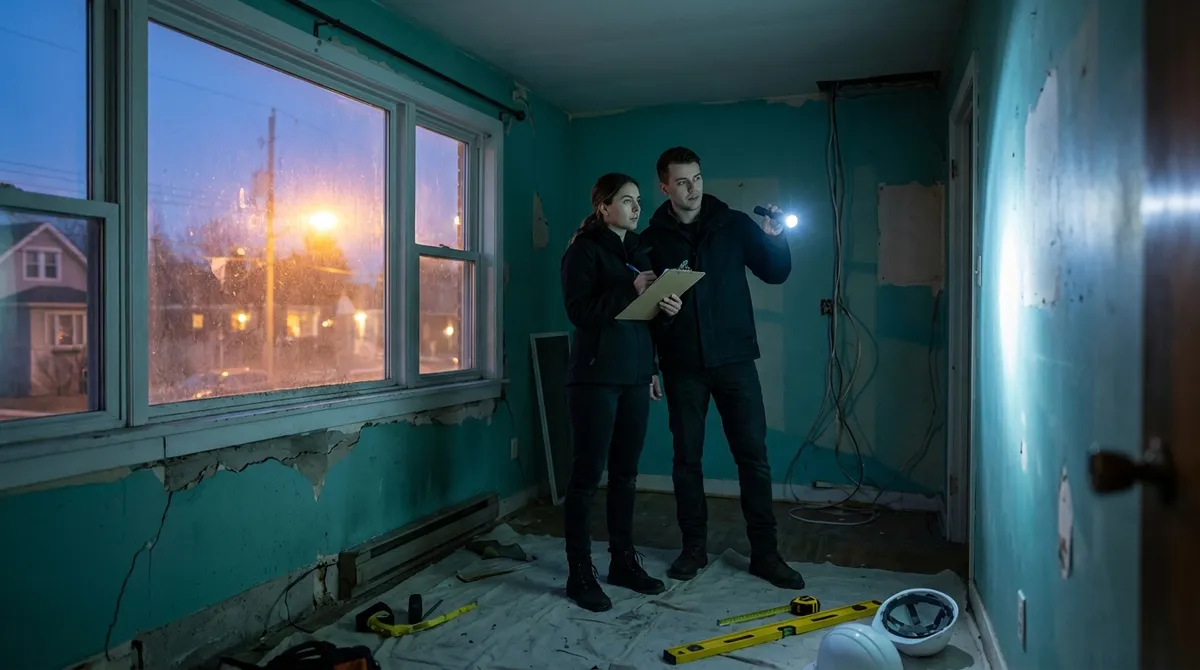
The home inspection is one of your strongest protections as a buyer, yet many people treat it as a box to tick off quickly. Instead, approach the inspection as a structured way to uncover risk and potentially improve your deal.
To get the most value from it:
- Choose a reputable inspector, not the cheapest or only one suggested—check reviews and sample reports if possible.
- Attend the inspection if you can, and ask questions about what’s cosmetic vs. structural or urgent.
- Prioritize big-ticket items: foundation, roof, electrical, plumbing, HVAC, water intrusion, and major safety issues.
- Use the report for negotiation, either to request repairs, a price reduction, or seller credit at closing.
- Get specialized follow-ups (roofing, structural engineer, sewer scope, pest inspection) if the report flags concerns.
Remember that no home is perfect, especially older ones. The goal isn’t to find a flawless property; it’s to understand what you’re walking into and to adjust your offer, budget, or even decision to buy based on the actual condition—not just appearances.
Tip 4: Plan for at Least the First Five Years, Not Just the First Year
Life changes, but making a purchase based solely on your situation today can backfire. Smart real estate decisions consider a realistic five-year window: your job stability, potential family changes, and your outlook on the area.
Ask yourself:
- Job and income: How stable is your income? Is there a high chance you’ll change cities or employers soon?
- Household changes: Planning kids, aging parents moving in, or roommates leaving?
- Space needs: Will an extra bedroom, office, or accessible layout matter in a few years?
- Exit flexibility: If you had to move within 3–5 years, would this home likely rent out or sell reasonably well?
Buying a home that only barely works now and will likely not work later can lead to rushed selling or expensive moves. You don’t need to predict everything, but choosing a property with some flexibility—a layout that can adapt, a location with broad appeal—reduces the pressure if life takes an unexpected turn.
Tip 5: Balance Emotion With a Simple, Written Buying Checklist
Falling in love with a home is normal—and sometimes helpful, because you’re choosing a place to live, not just an investment. The trouble starts when emotion pushes you past your own limits. A simple, written checklist you agree on before touring homes can anchor your decisions.
Create two short lists:
Non‑negotiables:
These are must-haves you won’t compromise on, such as maximum budget, minimum bedroom count, no significant foundation issues, or commute under a certain time.
Nice‑to‑haves:
Features you’d like but can live without, like a finished basement, updated kitchen, large yard, or specific style.
When you feel pressure to hurry or to overbid, go back to your lists. Does the home meet your non‑negotiables? Are you about to sacrifice something critical (like financial comfort) just because you’re worried another buyer might win? This quick self-check can prevent “offer regret” and help you walk away when a property simply isn’t the right fit—even if it looks perfect in photos.
Conclusion
Real estate decisions feel high stakes because they are: you’re committing time, money, and daily life to a single place. But you don’t need specialized knowledge or insider connections to make a smart purchase. By focusing on total monthly cost, weighing the neighborhood alongside the house, using inspections strategically, thinking in five-year terms, and grounding yourself with a simple buying checklist, you transform a stressful process into a more deliberate, confident one.
The right home for you isn’t just the one that looks best on closing day—it’s the one that still makes sense for your budget, lifestyle, and peace of mind long after the paperwork is signed.
Sources
- Consumer Financial Protection Bureau – Owning a Home – Tools and guidance on mortgages, closing costs, and comparing loan options
- U.S. Department of Housing and Urban Development (HUD) – Home Buying – Federal resources and educational material for homebuyers
- National Association of Realtors – Home Buyers and Sellers Generational Trends Report – Data and insights on how different buyers approach the market
- Federal Trade Commission – Mortgages – Information on mortgage shopping, avoiding scams, and understanding loan terms
- Freddie Mac – Understanding the Cost of Homeownership – Breakdown of ongoing homeownership expenses beyond the purchase price
Key Takeaway
The most important thing to remember from this article is that this information can change how you think about Real Estate.