
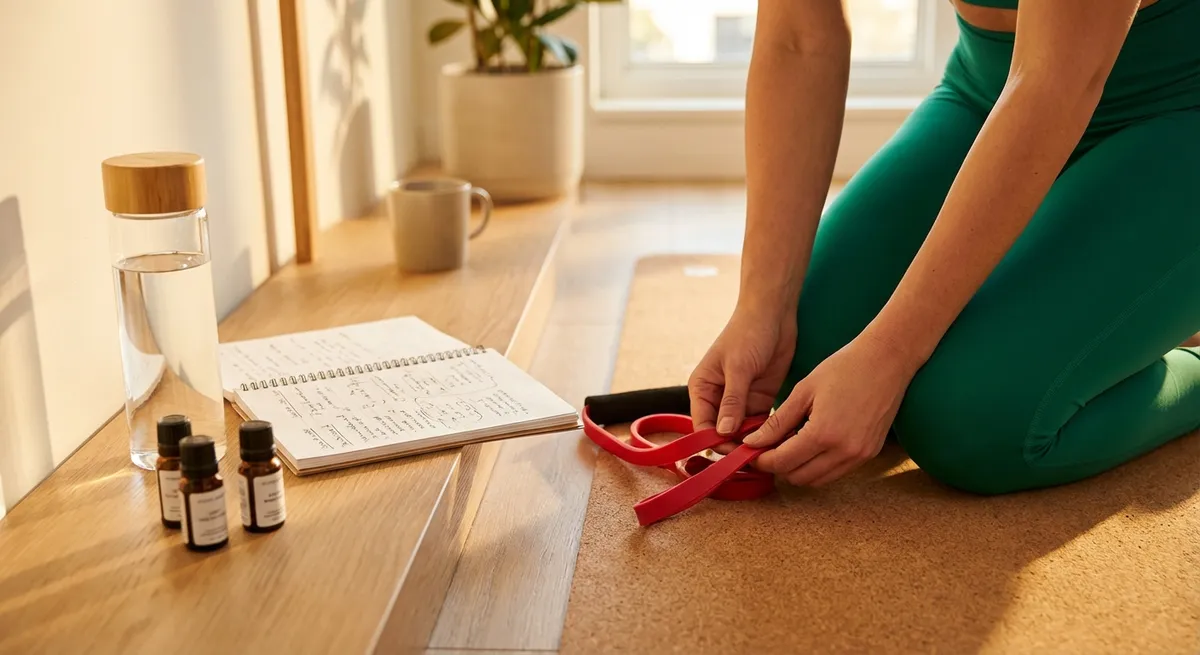
Beauty and fitness products are designed to promise a better version of you—glowing skin, stronger muscles, more energy. But with aggressive marketing, influencer hype, and endless new launches, it’s easy to overspend on things that don’t match your body, your routine, or your budget. This guide helps you cut through the noise so you can pick products and gear that are safe, effective, and genuinely useful in your real life.
Start With Your Real Routine, Not Your Ideal One
The smartest beauty and fitness purchases begin with an honest look at how you live right now, not how you wish you lived.
Take a week to observe what you actually do. How many times did you work out? Do you wash your face once a day or twice? How long will you realistically spend on skincare or exercise on a weekday? These answers should drive what you buy.
If you only have 20 minutes to work out, a simple set of adjustable dumbbells and a mat may be more valuable than a big treadmill you’ll rarely use. If you don’t like heavy routines, a gentle cleanser and one treatment product you’ll use every day will outperform a complex 10-step routine that sits untouched.
Aligning purchases with your current habits (not your most ambitious version of yourself) keeps you from buying “aspirational clutter” that looks good on paper but never leaves the closet or bathroom shelf.
Read Labels Like a Pro: Ingredients and Claims That Matter
Smart buying in beauty and fitness starts with understanding what’s behind the label, especially when it comes to safety and realistic results.
For skincare and haircare, focus less on buzzwords like “clean,” “non-toxic,” or “miracle” and more on ingredient lists and proven actives. Look for evidence-backed ingredients such as retinoids for aging, niacinamide for redness and pores, and salicylic acid for acne. Be wary of products that make drug-like promises (like “cures eczema” or “erases wrinkles”) without being regulated as a drug—those claims can be misleading.
In the supplements space, dig deeper. In many countries, including the U.S., dietary supplements are not regulated like prescription drugs. That means what’s on the label may not always match what’s inside. Prioritize brands that use third-party testing (like USP, NSF, or Informed Choice) and be cautious about any pill or powder that claims to “melt fat” or “detox” your system. These claims are red flags for products that may be ineffective or even harmful.
For fitness equipment, check weight limits, materials, and safety features over the marketing promises. An adjustable bench that locks securely in place and supports your weight safely is far more important than a flashy design or influencer endorsement.
Tip 1: Define One Clear Goal Before You Shop
Before you buy any beauty or fitness product, write down one primary goal you want it to serve. This single step will prevent a surprising number of regret purchases.
Examples:
- “I want a moisturizer that reduces dryness without breaking me out.”
- “I need resistance bands to make home workouts more challenging.”
- “I want a foundation that withstands sweat during workouts.”
- Does this product directly address the problem I just wrote down?
- Is there clear information (reviews, ingredients, specs) that suggests it can do that?
- Is this the simplest possible product that meets the goal?
Now, evaluate each product against that specific goal:
If the product has to stretch to fit your goal (“Well, it might help with that if…”), it’s probably not the right choice. Keeping a tight link between goal and purchase helps you avoid “just in case” items that don’t solve a real problem.
Tip 2: Test With Trial Sizes and Entry-Level Gear First
When possible, start small—especially with products that go on your skin or involve a big change in your workout style.
For skincare and makeup, look for:
- Travel or mini sizes
- Sample sets focused on a single skin concern
- Brands that offer return policies even on opened products
Use new products one at a time so you can tell what’s actually working or causing irritation. This is particularly important with active ingredients like retinoids, vitamin C, or exfoliating acids, which can cause sensitivity or redness if your skin reacts poorly or if you layer them incorrectly.
For fitness, test the category, not just the product:
- Interested in indoor cycling? Start with a free trial of a cycling app plus a basic stationary bike before investing in a smart bike.
- Considering heavy lifting? Visit a local gym for a day pass or introductory session before building a full home setup.
Trial runs let you confirm that a product category fits your body, interests, and schedule before you commit serious money or space.
Tip 3: Prioritize Safety and Fit Over Aesthetics
Beautiful packaging, trendy colors, and minimalist designs are tempting—but your body’s safety and comfort should always come first.
For fitness gear:
- Check return policies for items like shoes, bras, and leggings so you can exchange if they don’t fit properly.
- Choose resistance levels, weights, and machine settings appropriate for your current strength and fitness level to reduce the risk of injury.
- Ensure equipment has clear manuals, safety locks (for weights or treadmills), and stable construction.
- Make sure devices like facial cleansing brushes, microcurrent tools, or at-home LED masks come with clear instructions and safety warnings.
- Avoid using tools intended for professional use (like strong chemical peels or microneedling devices) without expert guidance.
For beauty tools:
In all categories, if a product’s directions are vague or missing, treat that as a warning sign. Clear, detailed instructions show that a brand is thinking about how you’ll use the product safely at home.
Tip 4: Use Independent Reviews, Not Just Influencer Hype
Reviews are powerful when you know how to read them critically.
Look for:
- Detailed reviews that mention skin type, fitness level, age, and how long the person used the product.
- Photos and videos showing real results over time, not just first impressions.
- Patterns of complaints (like leaking bottles, straps breaking, irritation, or sizing running small).
- Dermatologist or physical therapist blogs
- Health-focused news outlets
- Consumer testing sites that compare products across brands
- Reviews that all sound alike, use similar wording, or flood in within a very short timeframe.
- “Before and after” photos with dramatic lighting changes or heavy filters.
- Influencer content where the sponsorship is not clearly disclosed.
Cross-check hype-heavy products with more neutral sources:
Be cautious of:
Using a mix of user reviews and expert viewpoints helps you separate marketing buzz from consistent, real-world performance.
Tip 5: Build a Core Kit Before Adding “Extras”
Whether you’re building a beauty shelf or a mini home gym, establishing a solid core before adding niche items saves money and reduces clutter.
For beauty, a practical core kit might include:
- A gentle cleanser that doesn’t strip your skin
- A moisturizer suited to your skin type (lighter for oily, richer for dry)
- Daily broad-spectrum sunscreen
- One treatment product targeting your main concern (like acne, dark spots, or fine lines)
- A supportive pair of shoes matched to your main activity
- A yoga or exercise mat with enough grip
- A couple of resistance bands or a pair of dumbbells
- A water bottle you’ll actually carry and use
For fitness, a functional starter kit could be:
Once your essentials are working well, you can thoughtfully add extras—like a highlighter palette or a massage gun—that bring genuine joy or convenience, rather than acting as a substitute for a missing foundation in your routine.
Conclusion
Smart beauty and fitness buying isn’t about chasing the newest trend or owning the most gear; it’s about choosing products that serve your real body, your real schedule, and your real goals. By defining a clear purpose for each purchase, starting small, prioritizing safety and fit, and checking reliable reviews and evidence, you turn every dollar into something that works for you—not against you. Over time, this approach builds a streamlined, effective collection of products and tools that help you feel and perform at your best, without the waste, guilt, or buyer’s remorse.
Sources
- U.S. Food & Drug Administration – “Cosmetics” - Explains how cosmetics are regulated, label claims, and safety considerations for beauty products.
- American Academy of Dermatology – Skin Care Basics - Offers dermatologist-backed guidance on building an effective, simple skincare routine.
- National Institutes of Health – Office of Dietary Supplements - Provides evidence-based fact sheets about common supplements used for fitness, weight loss, and performance.
- Harvard T.H. Chan School of Public Health – Physical Activity - Discusses the role of physical activity, safety, and realistic strategies for staying active.
- Consumer Reports – Exercise Equipment Buying Guide - Independent advice on selecting safe, effective home fitness equipment.
Key Takeaway
The most important thing to remember from this article is that this information can change how you think about Beauty & Fitness.