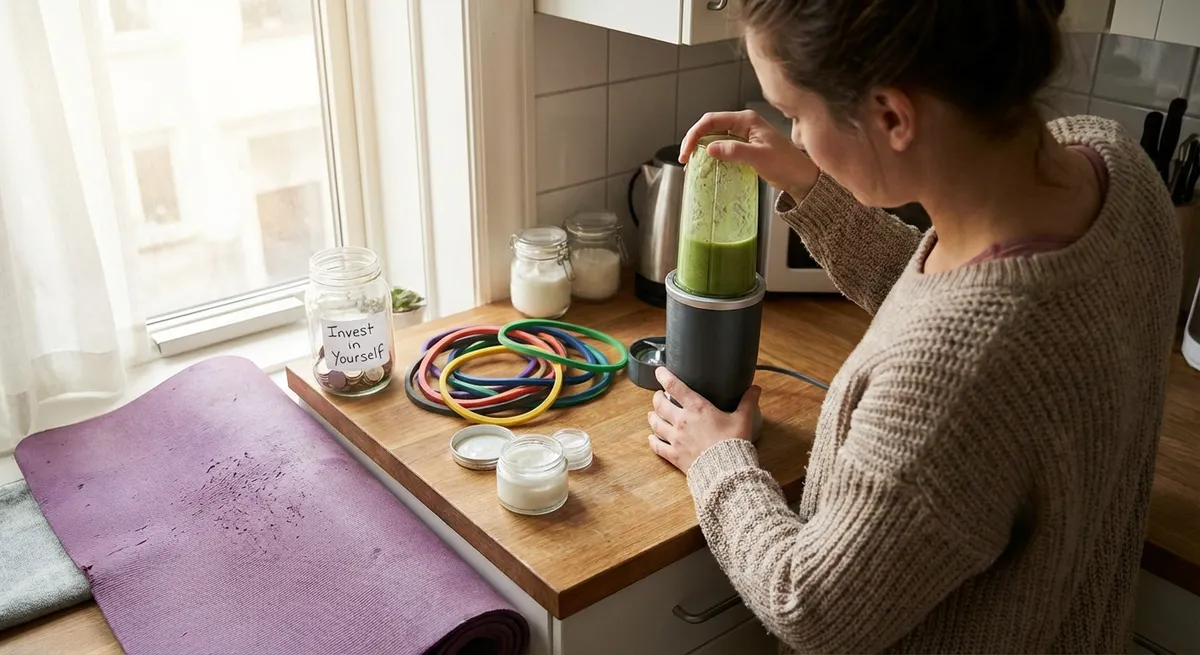
Beauty and fitness products promise transformation, but not every serum, supplement, or gadget is worth your money. Between influencer hype, confusing labels, and endless “must-haves,” it’s easy to overspend on things that don’t move the needle for your health or appearance. This guide walks you through how to choose beauty and fitness buys that genuinely support your goals—without draining your budget or your bathroom cabinet space.
Start With Your Real-Life Routine, Not the Ideal One
The smartest purchases are the ones that fit into the life you already live, not the fantasy version of yourself you hope will wake up tomorrow.
Before adding anything to your cart, look at your current habits: How often do you really work out each week? How many steps are in your skincare routine now—and which steps do you never skip? Products that align with existing routines are the ones you’ll actually use consistently, which matters more than novelty or advanced features.
For beauty, this might mean choosing a single well-formulated moisturizer with SPF instead of three separate products you’ll forget to layer correctly. For fitness, it could mean picking adjustable dumbbells you can store in a small space if you already do home workouts, instead of a bulky machine you’ll feel guilty about. When you buy to support habits you already have (or can realistically build), you get better long-term results and waste less money.
Decode Beauty Claims With Ingredients, Not Marketing
Beauty products are heavily marketed with phrases like “clean,” “non-toxic,” “dermatologist-approved,” and “anti-aging,” but these terms often aren’t regulated and can mean very little on their own. Smart buying starts with understanding what’s inside the bottle.
Look for evidence-backed ingredients rather than buzzwords. For example, retinoids, vitamin C, niacinamide, and certain forms of chemical exfoliants (like AHAs and BHAs) have strong scientific support for effectiveness on skin concerns such as fine lines, pigmentation, and acne. On the other hand, many products rely on fragrance, plant extracts, or vague “proprietary complexes” without clear proof that they work better than simpler formulas.
Check for concentration and order of ingredients on the label—active ingredients should appear relatively high on the list for meaningful impact. Also consider your skin type and sensitivities: fragrance-free and alcohol-free options can be important for sensitive or dry skin, while non-comedogenic products are better for acne-prone skin. When in doubt, prioritize brands that share full ingredient lists, avoid exaggerated claims, and reference clinical testing.
Evaluate Fitness Gear by How It Will Grow With You
Fitness equipment often gets abandoned because it’s too specialized or too limiting. A smarter strategy is to buy gear that can adapt as your fitness improves and your interests shift.
Instead of a single-use gadget that only targets one body part, look for multi-use tools: resistance bands, adjustable dumbbells, kettlebells, or a quality yoga mat. These can support strength, mobility, and conditioning workouts without locking you into one rigid program. If you’re considering a premium purchase—like a connected bike or smart mirror—ask whether it offers progressive difficulty levels, diverse workout styles, and updates over time.
Comfort and usability matter just as much as features. Shoes that fit properly and support your gait can make more difference to your long-term performance and injury risk than a flashy tracking device. For wearables and trackers, prioritize accurate heart rate monitoring, battery life, and app usability over novelty features you’ll rarely use. When gear can grow with you, you’re less likely to outgrow it quickly and more likely to stick with your routine.
Five Practical Tips for Smart Beauty & Fitness Buying
- Test small before you go big.
Whenever possible, try sample sizes, trial memberships, or the lowest subscription tier before committing to full-size products or long-term contracts. This is particularly important for skincare and supplements, where reactions or lack of results may not show up immediately.
- Compare cost per use, not just sticker price.
A moisturizer that costs more but lasts six months of daily use might be a better value than a cheaper option that runs out in six weeks. For fitness, calculate what you’d pay per workout over a year—expensive gear may be worth it if it replaces a gym membership you’ll genuinely use.
- Check for credible backing, not just influencer reviews.
Look for brands that cite clinical studies, certifications, or expert recommendations from credible organizations. Real-world before-and-after images can be helpful, but published research, dermatologist or physiotherapist input, and clear safety testing matter more.
- Prioritize essentials before “extras.”
In beauty, basics like a gentle cleanser, moisturizer, and sunscreen often have the biggest impact. In fitness, focus on proper footwear, supportive clothing, and simple strength or cardio tools before niche devices. Once your foundation is solid and consistent, then consider specialized add-ons.
- Review return policies and warranties.
Many beauty brands offer satisfaction guarantees, and fitness companies may provide trial periods or extended warranties. Favor purchases that give you a realistic window to test performance. This safety net helps you walk away from items that don’t match their promises without swallowing the full cost.
When to Spend More—and When to Save
Not every category deserves the same budget. Knowing where to invest and where to cut back can stretch your money further while protecting your health.
It often makes sense to spend more on products that directly affect your body’s long-term health or that require precise fit and safety: well-fitting athletic shoes, high-SPF broad-spectrum sunscreen, sports bras with adequate support, and durable equipment that won’t break under normal use. Professional guidance—like a session with a personal trainer or a consultation with a dermatologist—can also be a smart one-time investment that prevents years of trial-and-error purchases.
You can usually save on items that are more about aesthetics than function: trendy gym outfits you won’t wear often, elaborate beauty tools that duplicate what basic products already do, or multiple variations of the same type of product. Drugstore skincare with proven ingredients can work as well as luxury versions for many people, and simple strength tools can outperform high-priced machines if you use them regularly and with good form.
Conclusion
Every beauty serum and fitness gadget is marketed as a game-changer, but your smartest purchases are the ones that fit your real habits, rely on credible evidence, and deliver value over time. By focusing on ingredients instead of hype, choosing equipment that grows with you, and applying a few practical buying rules, you can build a beauty and fitness setup that supports your goals without overflowing your shelves or emptying your wallet. Thoughtful choices today lead to routines you’ll actually maintain—and results you can sustain.
Sources
- American Academy of Dermatology – Skin Care and Products - Overview of effective skincare basics and how to choose products for different skin types
- Mayo Clinic – Exercise: How to Get Started - Guidance on building sustainable fitness habits and selecting appropriate activities and gear
- Harvard Health Publishing – The Science of Skincare - Evidence-based discussion of common skincare ingredients and marketing claims
- American Council on Exercise (ACE) – Choosing the Right Exercise Equipment - Practical advice for assessing fitness equipment and matching it to your goals
- U.S. Food & Drug Administration – Understanding Over-the-Counter Medicines and Cosmetics - Consumer information on how cosmetics and certain health-related products are regulated and labeled
Key Takeaway
The most important thing to remember from this article is that this information can change how you think about Beauty & Fitness.