
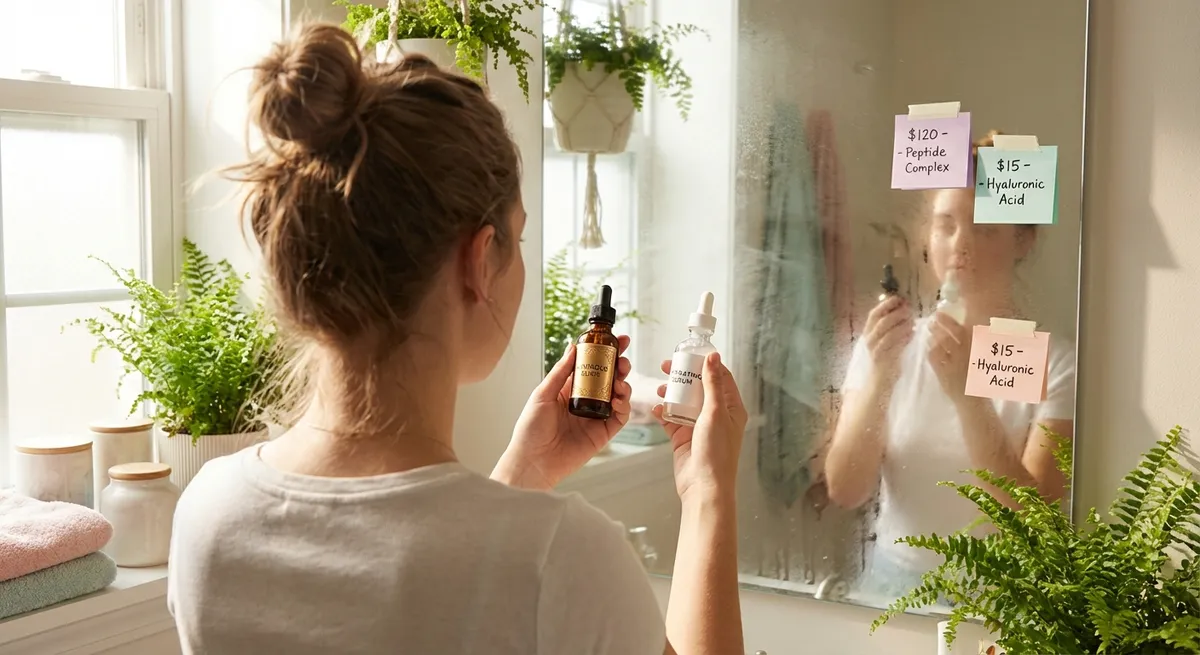
Looking good and feeling strong doesn’t have to mean draining your bank account or filling your bathroom with half-used bottles. With beauty and fitness, the market is overflowing with “miracle” claims, influencer favorites, and premium price tags. This guide helps you separate useful tools and products from hype, so your money goes toward things that genuinely support your health, appearance, and long‑term results.
Start With Your Real Goals, Not Trends
Before you buy another serum, supplement, or fitness gadget, get specific about what you actually want to change or improve. Clear goals make it easier to ignore marketing noise and focus on what matters.
Ask yourself:
- For beauty: Are you trying to manage acne, reduce fine lines, fade dark spots, or just maintain healthy skin? Each concern calls for different ingredients and routines.
- For fitness: Are you aiming to build strength, improve mobility, support fat loss, or boost endurance? Your answer should guide whether you need weights, resistance bands, a yoga mat, or just a good pair of shoes.
Write down 1–3 concrete goals (e.g., “reduce breakouts,” “improve posture,” “run 5K without stopping”). When a product catches your eye, check: does this directly support one of those goals, or is it just appealing because it’s new or popular? This simple filter can prevent impulse buys and help you spend on what truly moves the needle.
Tip 1: Decode Labels and Ingredients Before You Buy
Beautiful packaging can hide weak formulas. Learning a few basics about ingredient lists and product labels can save both your skin and your wallet.
For beauty products:
- Look for evidence-backed ingredients that match your concern:
- Acne: salicylic acid, benzoyl peroxide, adapalene
- Anti-aging: retinoids, vitamin C (ascorbic acid), peptides
- Hydration: glycerin, hyaluronic acid, ceramides
- Watch the first 5–10 ingredients—they make up most of the formula. If the “star” ingredient is listed far down, its effect may be minimal.
- Be cautious with vague marketing language like “clean,” “non-toxic,” or “dermatologist approved.” These aren’t regulated terms and don’t automatically mean safer or more effective.
For fitness supplements:
- Check for third-party testing seals (e.g., NSF Certified for Sport, Informed-Sport, USP). These don’t prove effectiveness but do help verify what’s actually in the product.
- Compare the dose on the label with what’s used in research. A popular ingredient at a tiny dose is often just expensive decoration.
- Avoid proprietary blends that don’t list exact amounts—this makes it hard to know what you’re really getting.
Spending a few minutes looking up a product’s key ingredients and claims can quickly reveal whether you’re paying for science or for storytelling.
Tip 2: Match Products to Your Lifestyle and Consistency
The best cream, program, or piece of equipment is useless if you won’t realistically use it. Before buying, consider how the product fits into your daily life and habits.
For beauty routines:
- Be honest about how many steps you’ll do consistently. If you struggle with a 3-step routine, a 10-step ritual will gather dust.
- Favor multi-tasking products (e.g., moisturizer with SPF, cleanser that removes makeup) if you’re short on time. Fewer, well-chosen products used regularly beat a scattered collection of high-end items you rarely touch.
- Consider texture and feel: if you dislike heavy creams or strong scents, you’re less likely to keep using them—even if they’re effective on paper.
For fitness purchases:
- Think about your space: do you have room for a large machine, or would foldable or compact gear work better?
- Consider noise and neighbors: treadmills and heavy weights might not be realistic in an upstairs apartment, while resistance bands or adjustable dumbbells are more flexible.
- Ask: “Can I see myself using this at least 2–3 times a week for the next 3–6 months?” If the answer is no, it might be better to skip it and choose a simpler option.
Aligning purchases with your actual routines and preferences makes it far more likely that your investment turns into real-world results, not clutter.
Tip 3: Test With Trial Sizes and Entry-Level Gear First
When trying something new—especially in beauty and fitness—start small before committing to premium versions or large quantities.
For beauty products:
- Choose trial sizes, travel kits, or sample sets when testing a new brand or ingredient. This reduces waste if your skin reacts or you don’t like the texture.
- Patch test new products on a small area for several days, especially with actives like retinoids, acids, or vitamin C, before applying all over.
- Once you know a product works well for you, buying the larger size or value set often brings down the cost per use.
For fitness equipment and programs:
- Try entry-level options—like resistance bands, a basic yoga mat, or bodyweight workouts—before investing in large machines or high-ticket memberships.
- Many apps and online programs offer free trials or low-cost intro periods; use these to test teaching style, difficulty level, and how well it fits your schedule.
- Borrow or rent where possible—bikes, specialty equipment, or even certain wearables—before buying your own.
This “test first, upgrade later” approach gives you real data about what you use, enjoy, and benefit from, instead of guessing based on ads or reviews alone.
Tip 4: Compare Cost Per Use, Not Just Price Tags
A product that seems expensive at first glance may actually be a better value than a cheap item that fails quickly or sits unused. Looking at cost per use or cost over time gives a clearer picture.
For beauty:
- Track how long your essentials last—cleanser, moisturizer, sunscreen—and calculate a rough cost per month or cost per day. Sometimes a slightly pricier but more concentrated formula can be a smarter buy than a cheaper item you overuse.
- Consider whether you’re paying extra for packaging, limited editions, or fragrance. If those things matter to you, that’s fine—just be aware of how much of the price they may represent.
- Prioritize spending on high-impact categories like sunscreen, targeted treatments (e.g., retinoids), and gentle cleansers, and save in areas where simple formulations work just as well (like basic moisturizers or body washes).
For fitness:
- Compare a one-time purchase (like adjustable dumbbells or a quality mat) against recurring costs (like multiple boutique classes). A higher upfront cost might save money over months or years if you actually use it.
- For memberships and apps, look at usage vs. cost: if you pay $100/month and use it twice, that’s $50 per session; if you go 10 times, it’s $10 per. That might help you decide whether to stay, downgrade, or switch to a different option.
- Don’t forget maintenance or replacement costs—batteries for wearables, refills for at-home devices, or repairs for machines.
Thinking in terms of lifespan and usage helps you favor purchases that support long-term habits instead of short-term excitement.
Tip 5: Use Credible Reviews and Professional Guidance
Not all reviews are equal. To avoid being swayed by paid promotion or one-off experiences, focus on sources that provide context, balance, and transparency.
For beauty:
- Look for reviews that mention skin type, concerns, and routine—someone with dry, sensitive skin will experience a product very differently than someone with oily, breakout-prone skin.
- Prioritize sources that show before-and-after photos over time and discuss side effects, adjustment periods, and how the product fit into their overall routine.
- When possible, check guidance from dermatologists or licensed professionals, especially for strong actives, procedures, or devices used at home (like chemical peels or microneedling tools).
For fitness:
- Seek out trainers, physical therapists, or coaches who explain why they recommend a product and who it’s best for, not just flashy results.
- Pay attention to whether a program or tool includes modifications for different fitness levels and any safety guidance for beginners or people with injuries.
- If you have existing health conditions, a quick conversation with a healthcare provider or qualified professional before starting new supplements or intense programs is a smart safeguard.
Using professional insight alongside genuine user feedback helps you avoid products that overpromise, underdeliver, or simply aren’t appropriate for your body or goals.
Conclusion
Beauty and fitness purchases feel exciting in the moment, but the real value shows up weeks and months later—when your skin is calmer, your body is stronger, and your routines feel sustainable. By clarifying your goals, reading labels critically, testing before committing, evaluating cost per use, and leaning on credible guidance, you can build a collection of products and tools that actually work for you.
Smart buying in this space isn’t about chasing every new launch; it’s about curating a small set of reliable allies that support your health, confidence, and daily life. When your cart reflects your priorities—not just the latest trend—you get better results, less clutter, and more control over every dollar you spend.
Sources
- American Academy of Dermatology – Skin care basics – Explains foundational skincare steps and how to choose products for different skin types
- Mayo Clinic – Acne: Diagnosis and treatment – Overview of evidence-based ingredients and treatments for acne-prone skin
- Harvard Health Publishing – The truth about anti-aging products – Reviews which skincare ingredients have research support for aging concerns
- National Institutes of Health – Dietary supplements: What you need to know – Guidance on evaluating supplements, safety, and labeling
- Centers for Disease Control and Prevention – Physical activity basics – Evidence-based recommendations for exercise frequency, intensity, and safety
Key Takeaway
The most important thing to remember from this article is that this information can change how you think about Beauty & Fitness.