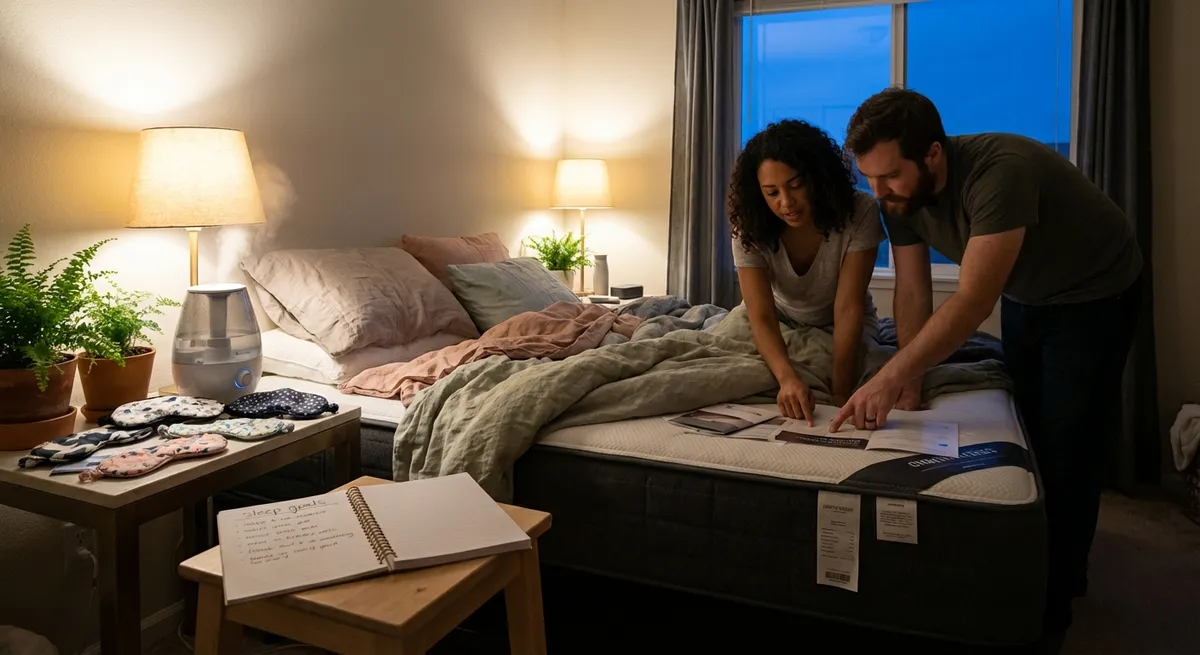
Sleep might be “free,” but the products that shape your sleep environment definitely aren’t. From mattresses and pillows to white-noise machines and sleep trackers, the market is crowded with “must‑have” items that promise deeper rest and more energy. The challenge is knowing what’s actually worth your money—and what’s just clever marketing wrapped in soft fabric.
This guide walks you through how to shop smarter for sleep-related health products, with a special focus on where your dollars make the biggest difference and how to avoid common buying traps. Along the way, you’ll find five practical tips to help you prioritize your sleep purchases like a savvy consumer.
Why Your Sleep Purchases Matter More Than You Think
Sleep isn’t just about feeling less tired; it’s directly tied to heart health, immune function, mental health, weight management, and even long-term risks like diabetes and depression. Research from major health organizations shows that consistently getting 7–9 hours of quality sleep is associated with better overall health and lower risk of chronic disease.
Because of that, your bedroom is more than a place to crash—it’s a health environment. The products you buy for it can either support deep, restorative sleep or work against it. A sagging mattress, noisy electronics, the wrong type of light, or a pillow that strains your neck can quietly chip away at your sleep quality night after night.
The good news is that better sleep doesn’t require buying everything labeled “sleep-enhancing.” Strategic, well‑researched purchases in a few key areas can have more impact than a room full of trendy gadgets. Your goal: build a sleep setup that’s comfortable, quiet, dark, cool, and supportive of your body—without overspending on bells and whistles you won’t use.
Understanding the “Sleep Economy” (and Its Hype)
The “sleep economy” has exploded: mattresses in a box, smart rings, sunrise alarm clocks, aromatherapy diffusers, special pajamas, weighted blankets, and dozens of new apps. When you’re tired, it’s easy to believe the next purchase will finally fix your sleep.
Marketers know this. Many products use scientific buzzwords—“circadian,” “deep sleep,” “pressure points,” “melatonin-friendly lighting”—that may sound impressive but don’t always translate to proven health benefits. Some items genuinely help; others work mainly because they remind you to pay attention to your habits.
Before buying, it helps to distinguish between:
- Foundational products: Items that physically shape your sleep environment (mattress, pillows, bedding, curtains, temperature control). These usually have the most direct, consistent impact.
- Supportive tools: White-noise machines, sleep masks, basic trackers, alarms that encourage better routines.
- Nice-to-have extras: High-end trackers, specialized sleepwear, aromatherapy, or advanced gadgets that refine—but don’t replace—the basics.
Thinking in these tiers can keep your budget focused where it matters most.
Tip 1: Start with the Mattress and Pillow That Fit You, Not the Marketing
If you’re going to invest in one sleep product, start with your mattress and pillow—together they determine spinal alignment, pressure relief, and whether you wake up rested or stiff.
How to shop smarter for a mattress:
- Know your sleep position
- Side sleepers often do best with medium to medium-soft surfaces that cushion shoulders and hips.
- Back sleepers tend to need medium to medium-firm support to keep the spine in neutral alignment.
- Stomach sleepers generally require firmer support to prevent the lower back from over-arching.
- Look for trial periods and clear return policies
Many reputable brands offer 90–365 night trials. Use them. Actually track how you feel in the morning and whether you’re tossing and turning less.
- Ignore vague buzzwords, read the specifics
Instead of “luxury feel” or “hotel quality,” focus on measurable info: materials (latex, memory foam, hybrid), firmness options, edge support, motion isolation, and temperature control features.
- Consider heat and allergies
If you sleep hot, look for breathable materials or coils that promote airflow. Allergy-prone sleepers may benefit from hypoallergenic covers and dust-mite-resistant encasements.
For pillows:
- Match pillow loft (height) to your sleep position and shoulder width.
- Prioritize neck support over fancy fillings. The right pillow keeps your neck aligned with your spine.
- Test different shapes if you have specific issues (contoured pillows for neck pain, adjustable fill for dialing in height).
Spending thoughtfully here can reduce aches, improve sleep continuity, and cut down on future “band-aid” purchases meant to compensate for a poor base.
Tip 2: Fix Light and Noise Before Buying More Gadgets
Light and sound are two of the strongest external signals that tell your brain when to be awake or asleep. Before investing in advanced sleep tech, it’s often smarter (and cheaper) to address these basics.
Light:
- Block external light at night
Consider blackout curtains or well-fitted blinds if you live in an area with streetlights or early sun. For renters or smaller budgets, a good sleep mask can be a powerful alternative.
- Watch out for blue light in your bedroom
Bright screens and certain LED bulbs can suppress melatonin, the hormone that signals your body to sleep. Opt for warmer, dimmable bulbs and place harsh light sources out of your direct line of sight.
- Separate “awake” light from “winding down” light
A small, warm bedside lamp for reading or journaling can help you mentally shift into sleep mode without flooding the room with brightness.
Noise:
- Identify your main sound disruptors
Traffic, loud neighbors, partners with different schedules, or household noise all call for different solutions.
- Compare options consciously
- Earplugs: inexpensive, effective, but not ideal if you must hear alarms or children.
- White-noise machines: smooth out disruptive sounds, especially in cities or apartments.
- Soundproofing tweaks: draft stoppers, rugs, and heavier curtains can all reduce noise.
Before buying high-tech sleep gadgets, ask: “Have I already optimized light and sound?” Often, a $30 investment in curtains, a mask, or a white-noise machine can outperform a more expensive device.
Tip 3: Be Skeptical—but Strategic—With Sleep Tech and Trackers
Sleep trackers and apps can appeal to our love of numbers and optimization. But not every data point translates into a practical health improvement, and for some people, obsessive tracking can actually increase anxiety about sleep.
To shop smarter:
- Clarify your goal first
Are you trying to identify a pattern (like late-night screen time or caffeine), track consistency, or follow a doctor’s advice? Buy tools that support that specific goal, not just “more data.”
- Prioritize ease of use and comfort
The best tracker is the one you actually wear or use every night. Bulky or intrusive devices quickly end up in a drawer.
- Understand the limits
Consumer devices estimate sleep stages; they don’t diagnose sleep disorders like sleep apnea or insomnia. If your data shows consistently poor sleep or you feel exhausted despite 7–9 hours in bed, that’s a cue to talk to a healthcare professional—not just upgrade your device.
- Avoid “score chasing” at the expense of real rest
If focusing on your “sleep score” makes you more anxious, consider turning off some metrics or using your tracker only for broad trends (bedtime consistency, time in bed) instead of nightly perfection.
Used thoughtfully, sleep tech can nudge you toward healthier routines. Used uncritically, it can drain your budget without changing your actual habits.
Tip 4: Evaluate “Sleep Aid” Products Through a Health Lens, Not Just Comfort
Weighted blankets, aromatherapy diffusers, special teas, “sleep” gummies, and relaxation gadgets all land in the gray zone between comfort and health. Some people genuinely benefit from them; others see little change.
Before buying:
- Check for evidence, not just testimonials
- Some tools (like basic relaxation practices or cognitive behavioral therapy for insomnia, often delivered via apps or programs) have stronger scientific backing than others.
- For supplements like melatonin, dosage, timing, and duration matter—and long-term use should be discussed with a healthcare provider, especially in children or people with medical conditions.
- Distinguish “relaxing” from “sedating”
Feeling pleasantly relaxed is good; feeling heavily sedated can sometimes mask underlying problems like poor sleep hygiene, untreated anxiety, or breathing issues.
- Consider safety and interactions
Herbal teas, essential oils, and over-the-counter sleep aids can interact with medications or exacerbate certain conditions. If you have chronic health issues, are pregnant, or take regular meds, check with a professional before adding anything new.
- Test with low-risk, low-cost options first
Before buying an expensive relaxation device, experiment with free or low-cost options: guided meditation apps, breathing exercises, or simple stretching before bed. If those feel helpful, then consider tools that support those same habits (like a comfortable mat, a simple app subscription, or a quiet speaker).
Treat these products as complements to—not substitutes for—good sleep habits and a healthy environment.
Tip 5: Build a Sleep-Friendly Bedroom on a Realistic Budget
You don’t need a “perfect” bedroom all at once. Smart purchasing is about prioritizing and timing. Think in phases, especially if you’re on a budget.
Phase 1: No- or low-cost changes
- Establish a regular sleep and wake time on most days.
- Keep screens out of bed and set a “digital wind-down” time.
- Declutter the area around your bed to make the space feel calmer.
- Adjust your thermostat (if possible) toward a cooler sleep temperature, often in the mid‑60s °F (around 18–20 °C) for many people.
Phase 2: High-impact, moderate-cost upgrades
- Replace an old or uncomfortable pillow.
- Add blackout curtains or a good sleep mask.
- Try a white-noise machine or app if noise is a recurring issue.
- Upgrade bedding to breathable, comfortable materials that match your climate (lighter, moisture-wicking fabrics if you sleep hot; warmer, layered bedding in colder climates).
Phase 3: Larger investments and replacements
- Plan for replacing a worn-out mattress (often every 7–10 years, depending on type and condition).
- Consider modest bedroom furniture changes that improve airflow and reduce clutter—like a supportive bed frame and nightstand that keeps essentials accessible but tidy.
- If you can, gradually replace harsh lighting with warmer, dimmable options.
At each step, ask, “Will I use this every night for at least a year?” Products that pass that test are usually a better use of your money than niche gadgets you’ll only try a few times.
Conclusion
Sleep is one of the most powerful levers you have for better health—and your buying decisions can either support or undermine it. Instead of chasing every new sleep trend, focus first on the fundamentals: a supportive mattress and pillow, a dark and quiet room, and a routine that helps your body recognize when it’s time to rest.
Use technology and comfort products as tools, not crutches, and weigh each purchase against how often you’ll use it and whether it addresses a real need. When you treat your sleep environment as a long-term health investment rather than a series of quick fixes, your budget—and your body—both come out ahead.
Sources
- Centers for Disease Control and Prevention – Sleep and Sleep Disorders - Overview of why sleep matters for health, recommended sleep durations, and common sleep issues
- National Heart, Lung, and Blood Institute – Why Is Sleep Important? - Explains how sleep affects heart health, metabolism, brain function, and disease risk
- American Academy of Sleep Medicine – Healthy Sleep Habits - Practical guidance on creating a sleep-friendly environment and routine
- Mayo Clinic – How to Choose a Mattress - Evidence-based tips for selecting mattresses and understanding comfort vs. support
- Harvard Medical School – Blue Light Has a Dark Side - Details how evening light exposure affects melatonin and sleep quality
Key Takeaway
The most important thing to remember from this article is that this information can change how you think about Health.