
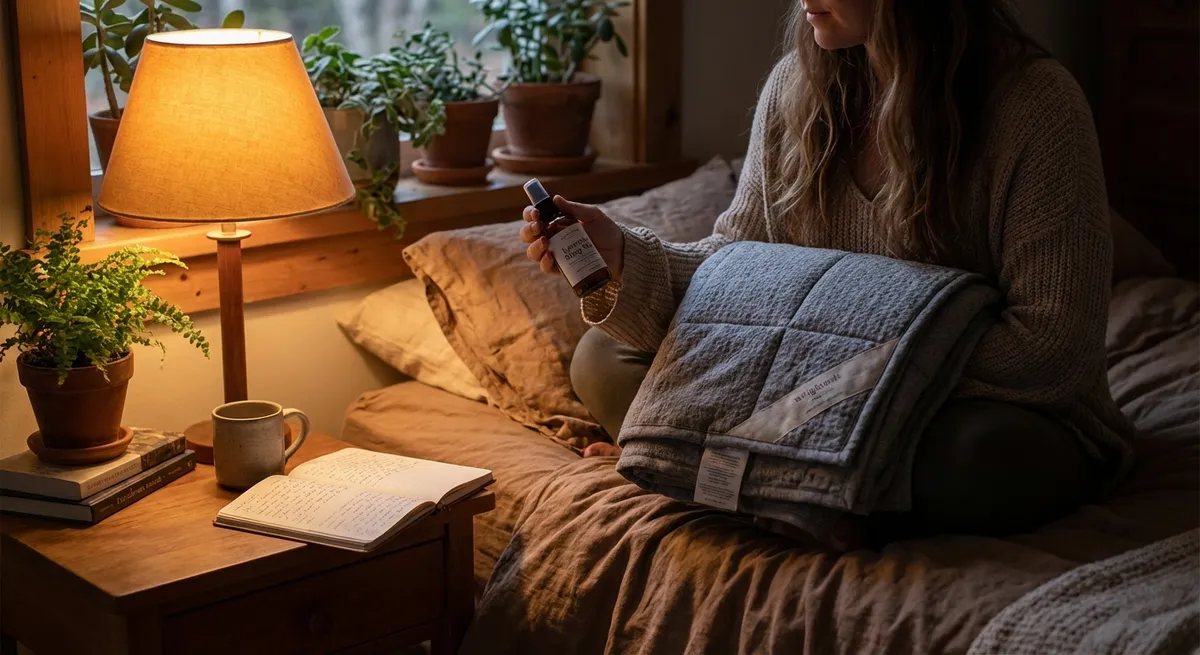
Sleep products are everywhere—“miracle” pillows, smart mattresses, blue-light glasses, and endless supplements. But not every sleep-related purchase is worth your money, and some can even distract you from fixes that actually work. If you’re trying to sleep better and spend smarter, it pays to know what really matters before you click “buy.”
This guide breaks down how to think like a smart consumer when shopping for sleep-related health products—and how to focus your budget on changes that have the greatest impact. Along the way, you’ll see five practical buying tips you can use immediately, no matter what your sleep setup looks like right now.
Start with Your Biggest Sleep “Pain Points”
Before buying anything, identify the specific problem you’re trying to solve. “Sleep” is broad. Are you:
- Waking up with neck or back pain?
- Struggling to fall asleep in the first place?
- Waking often at night?
- Overheating or sweating in bed?
- Dealing with noise or light in your environment?
Most sleep products are designed around one or two of these issues, but marketing language makes them sound like universal solutions. For example, a cooling mattress topper won’t fix neck pain from a too-high pillow, and an expensive white noise machine won’t help much if your room is too bright or your bedtime is inconsistent.
A quick way to narrow things down:
Keep a short “sleep log” for 5–7 nights. Note:
- What time you went to bed and woke up
- How long it took to fall asleep (rough guess is fine)
- How many times you woke up
- Any physical discomfort when you woke
- Room temperature, noise, and light
Patterns in this log will tell you whether to prioritize comfort purchases (mattress, pillows, bedding), environment (curtains, sound devices, fans), or behavioral changes (caffeine timing, screen use, bedtime). Then your purchases target real issues, not generic promises.
Smart purchasing takeaway: Define the sleep problem in one sentence before adding anything to your cart. If a product doesn’t clearly connect to that sentence, skip it.
How to Evaluate Sleep Products Without Falling for Hype
Sleep is trendy, and that means aggressive marketing. To avoid costly disappointment, it helps to look past claims and focus on verifiable details. As you compare options, pay close attention to:
- Materials and construction: Look for clear descriptions (e.g., “3 inches of gel memory foam, density 4 lb/ft³”) instead of vague phrases like “premium foam” or “luxurious fill.”
- Standards and certifications: For mattresses and bedding, independent certifications like CertiPUR-US (for foam) or OEKO-TEX Standard 100 (for textiles) suggest fewer harmful chemicals or emissions.
- Return policy and trial period: Many reputable brands offer 30–100 night trials on mattresses and pillows. That matters because your body needs time to adjust—and if it doesn’t, you want a clear exit.
- Warranty details: A 10-year warranty sounds great until you read the fine print that only covers deep indentations above a certain depth or excludes normal wear.
- Independent reviews: Scan verified customer reviews and look specifically for patterns. Ignore one-off extreme praise or complaint. Look for repeated comments about durability, firmness, heat, or smell.
Be especially cautious with products that:
- Promise to “cure” insomnia or sleep apnea without mentioning medical evaluation
- Rely heavily on celebrity or influencer endorsements
- Use phrases like “clinically proven” but don’t link to specific studies or explain what was tested
Smart purchasing tip #1: Treat “sleep tech” like any other gadget.
Check how the device measures sleep, what data it gives you, and—most importantly—how you’ll actually use that data. If you can’t see a clear action you’ll take based on its readings, it might just become expensive bedtime clutter.
Spending Where It Counts: Mattress, Pillow, and Bedding Basics
Your mattress and pillow are the foundation of sleep comfort. You don’t necessarily need the most expensive options, but you do want ones that match your body and sleep style.
Mattress: Support Over Buzzwords
Key factors that matter more than brand names:
- Sleeping position:
- Side sleepers generally do better on medium to medium-soft options that relieve pressure on shoulders and hips.
- Back sleepers often need medium to medium-firm for spine support.
- Stomach sleepers usually require firmer surfaces to avoid over-arching the lower back.
- Body weight: Heavier individuals tend to need firmer, more supportive mattresses that won’t sag quickly; lighter individuals may find very firm beds uncomfortable.
- Trial period: If you’re buying online, a generous trial with easy returns is essential; comfort is highly individual.
You don’t have to replace your mattress if it’s younger than ~7–10 years and not sagging, but if you wake with new or increasing pain that goes away as the day goes on, your mattress might be part of the problem. In that case, a good-quality mattress topper can be a lower-cost test before a full replacement.
Pillow: Small Purchase, Big Effect
Your pillow should keep your head in line with your spine—too high or too low can strain your neck.
- Side sleepers usually need a higher, firmer pillow.
- Back sleepers often do best with medium height and firmness.
- Stomach sleepers typically need a thin, soft pillow or sometimes none at all.
Adjustable pillows (with removable fill) are often a smart buy because you can tweak height over time instead of guessing once.
Bedding and Temperature
If you frequently overheat at night, look for breathable materials like cotton, linen, or moisture-wicking fabrics. Heavy synthetic comforters may trap heat. A decent set of breathable sheets often gives more comfort per dollar than another flashy gadget.
Smart purchasing tip #2: Budget from the bed outward.
Start with mattress and pillow (or toppers), then bedding, and only after that consider extras like sound machines or sleep trackers. The closer the product is to your body, the more it usually affects comfort.
Tools vs. Traps: Gadgets, Supplements, and “Sleep Aids”
Not all sleep “helpers” are equally useful. Some are genuinely supportive. Others mainly drain your budget or distract from habits that matter more.
Sleep Trackers and Apps
Wearables and apps can reveal patterns (like inconsistent bedtimes or lots of nighttime movement), but they’re not medical devices and can misclassify sleep stages. They’re often most helpful when:
- You use them to spot big-picture trends (e.g., “I sleep better when I stop caffeine by 2 p.m.”)
- You don’t obsess over nightly scores but look at weekly averages
- You pair data with specific behavior changes
If you notice that tracking your sleep makes you more anxious, it might be worth turning the metrics off or using a simpler tool like a paper log.
Sound, Light, and Environment Devices
These can provide solid value if they solve specific issues:
- White noise machines or apps can mask traffic, neighbors, or household noise.
- Blackout curtains or sleep masks help if your room gets light from street lamps or early sun.
- Small fans can improve both sound and temperature.
Often, lower-cost versions (like a basic fan or simple mask) perform nearly as well as premium options; prioritize function over fancy design.
Supplements and Over-the-Counter Aids
Melatonin and herbal sleep products are widely marketed, but they’re not one-size-fits-all and aren’t regulated like prescription drugs.
- Melatonin is most helpful for shifting sleep timing (e.g., jet lag or delayed sleep phase), not as a general “knockout” pill.
- Dosage and timing matter, and more is not better.
- “Natural” doesn’t automatically mean safe—supplements can interact with medications or medical conditions.
If you’re considering regular use of any sleep supplement, especially if you have health conditions or take other medicines, talk with a healthcare professional first.
Smart purchasing tip #3: Set a “trial budget” for experimental products.
For non-essential extras (supplements, gadgets, specialty sleep accessories), decide in advance how much you’re willing to risk if the product doesn’t help—then only buy within that limit and reassess after a few weeks instead of continuously adding new items.
Five Practical Tips for Smart Sleep-Health Purchasing
You can apply these five tactics to almost any sleep-related purchase:
- Match every product to a specific problem.
If you can’t state clearly, “I’m buying this to help with X,” it’s likely an impulse buy. Walk away and revisit in a week.
- Prioritize evidence-backed basics over novelties.
Good sleep habits (consistent schedule, limiting late caffeine and screens, comfortable bed, dark and quiet room) have far more research support than most gadgets. Direct your budget first toward improving those basics—like better curtains, a supportive pillow, or a fan.
- Use “total cost per night” thinking.
Divide the cost of a mattress, pillow, or bedding by the number of nights you’ll use it. A $700 mattress over 8 years (about 2,920 nights) is less than 25 cents per night. This helps you justify solid mid-range quality while also recognizing when premium features aren’t worth double the price.
- Beware of urgency tactics and “miracle” language.
Phrases like “limited time only,” countdown timers, or “finally, a cure for sleepless nights” are designed to push fast decisions. Quality products don’t need panic marketing. If a sale is real, it will usually return. Give yourself at least 24 hours before buying higher-ticket items.
- Have a plan if sleep problems don’t improve.
If you’ve tried environment and habit changes and still struggle with falling or staying asleep for weeks or months, it may be time to talk with a medical professional rather than buying more products. Conditions like insomnia, sleep apnea, restless legs, depression, or anxiety often require targeted treatment instead of another pillow or gadget.
Smart purchasing tip #4: Compare against “do nothing.”
Before buying, ask: “If I changed nothing about my room and instead adjusted my routine (earlier wind-down, less evening screen time, more consistent bedtime), would that likely help as much as this purchase?” If yes, try the free option first.
Smart purchasing tip #5: Keep receipts and track what actually helps.
Create a simple note on your phone with each sleep-related purchase, the date, why you bought it, and how you feel after 3–4 weeks. This makes it easier to return what doesn’t work, avoid duplicates, and learn over time what types of spending actually improve your sleep.
Conclusion
Better sleep isn’t something you can simply buy, but smart purchases can make it much easier. When you start with your specific sleep problems, focus your budget close to the body (mattress, pillow, bedding), and stay skeptical of grand claims, your sleep-shopping becomes less about chasing miracles and more about building a supportive environment.
Combine that environment with consistent, healthy routines, and you’ll get far more value out of every dollar you spend. Your goal isn’t the perfect product—it’s a setup that quietly supports you, night after night, without draining your wallet.
Sources
- National Institutes of Health – Sleep Deprivation and Deficiency - Overview of why sleep matters, health risks of poor sleep, and fundamentals of good sleep habits
- Centers for Disease Control and Prevention – Sleep and Sleep Disorders - Evidence-based information on healthy sleep duration, common sleep problems, and when to seek medical help
- American Academy of Sleep Medicine – Consumer Health Information - Educational resources on mattresses, sleep environment, insomnia, sleep apnea, and other sleep-related conditions
- Mayo Clinic – Melatonin: What You Need to Know - Detailed discussion of melatonin’s uses, side effects, and safety considerations
- Harvard Medical School – Blue Light Has a Dark Side - Explanation of how screens and blue light affect sleep and why behavioral changes often matter more than gadgets
Key Takeaway
The most important thing to remember from this article is that this information can change how you think about Health.