
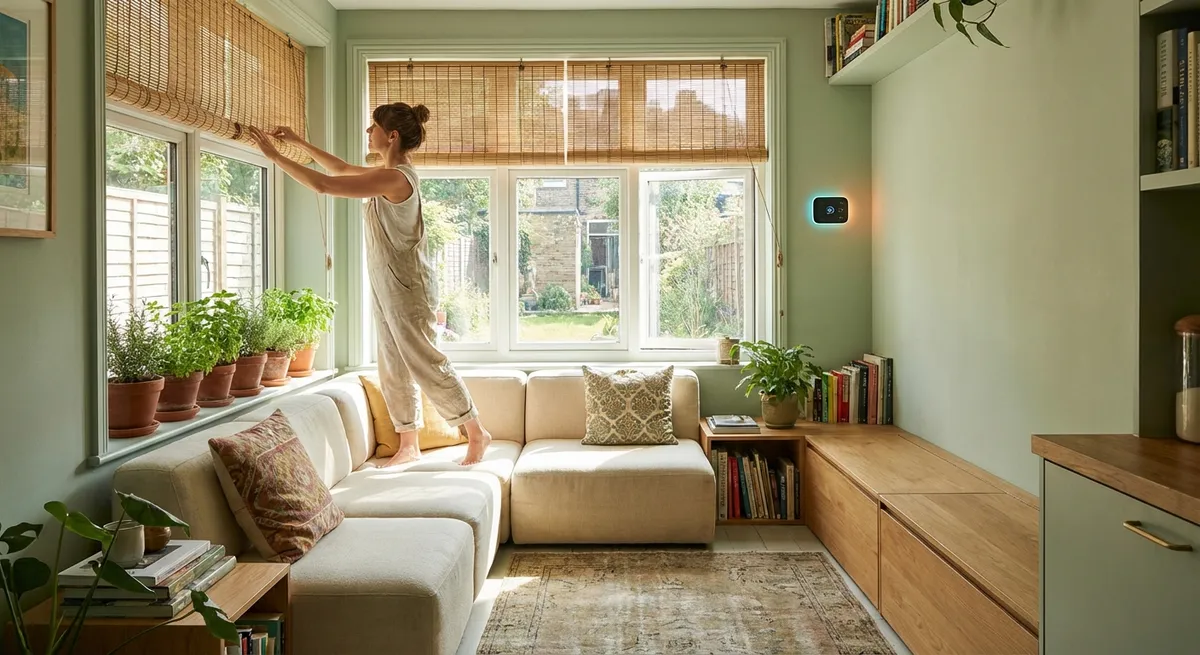
A home that feels good to live in isn’t just about decor trends or expensive furniture. It’s about making smart, deliberate purchases that fit your space, your habits, and your budget—while keeping maintenance low and comfort high. In the Home & Garden world, the smartest upgrades are often the ones that quietly save you time, money, and effort every single day.
This guide walks through how to rethink home purchases so they support the way you actually live. Along the way, you’ll find five practical tips to keep you from overspending on the wrong items—and help you invest in things that make your home simpler, calmer, and more efficient.
Start With the Problems Your Home Actually Has
Before buying anything new, spend a week just observing how your home really works. Notice what frustrates you, what always seems messy, and where you waste the most time. This “problem-first” approach keeps you from impulse-buying decor when what you really need is better storage or lighting. For example, if the entryway is always cluttered with shoes and bags, a sturdy bench with hidden storage might be more valuable than another wall art piece.
List your top 5 recurring home annoyances: poor lighting, cluttered countertops, hard-to-clean flooring, uncomfortable seating, or high utility bills. Then, match purchases directly to these issues. If your kitchen feels chaotic, perhaps drawer organizers or a cart to expand counter space will help more than another gadget. When you buy to solve a specific, felt problem, you’re less likely to regret the purchase or let it collect dust.
This problem-first mindset also helps you prioritize. You might really want a new rug, but if your current mattress is causing you back pain, the smarter purchase is clear. Over time, solving practical issues one by one can transform how your home feels—even without a total makeover.
Practical Tip #1: Make a “Problem Shopping List” Instead of a Product List
Write down home problems first (e.g., “no place to sit to put on shoes”), then research products that directly address each one. Don’t add a product to your cart unless it’s tied to a specific problem on your list.
Choose Materials and Finishes for Real-Life Living
Pretty finishes are tempting, but durability and maintenance costs often matter more. The materials you choose for rugs, sofas, bedding, and surfaces can determine how often you have to clean, repair, or replace them. If you have kids or pets, for example, light-colored, delicate fabrics might look great in photos but be a nightmare to maintain.
When evaluating home and garden items, look at both the material and the care instructions. Can the covers be removed and machine washed? Is the rug stain-resistant? Is that wood table sealed against spills? Some materials—like solid wood or stainless steel—may cost more upfront but outlast cheaper, fragile alternatives. Similarly, outdoor items made from powder-coated metal, weather-resistant wicker, or UV-resistant fabrics usually perform better across seasons than bargain options that rust or fade quickly.
Think about how you actually use each space. A hallway runner sees heavy foot traffic, so durability matters more than softness. Bedroom linens should be easy to wash and comfortable against your skin, not just stylish. Outdoor cushions should resist mold and moisture, especially in humid climates. Matching materials to the intensity of use prevents early replacements and keeps your home looking cared-for with less effort.
Practical Tip #2: Read the Care Label Before the Price Tag
Before comparing prices, check care instructions and material details. If something requires dry cleaning, special cleaners, or frequent upkeep that doesn’t fit your lifestyle, it’s rarely a smart buy—no matter how good the deal looks.
Think in Zones, Not Just Rooms
A useful way to shop for your home is to think in “zones” rather than broad rooms. Each room usually has multiple functions: a living room might double as a workspace, a bedroom might include a reading corner, and a kitchen might serve as both cooking and homework area. When you identify zones—like “relax,” “work,” “store,” “cook,” or “sleep”—you can buy more targeted, functional pieces.
For example, if your living room is both a family TV area and a workspace, you might create a dedicated work zone with a compact desk, a task lamp, and a small filing unit that closes or tucks away. This stops work items from spilling all over the coffee table and couch. In a kitchen, a “prep zone” near the stove and cutting board might benefit more from a strong, focused under-cabinet light than from decorative fixtures in the middle of the room.
Zone-based thinking also helps avoid overbuying. Instead of crowding a room with random furniture, you define what needs to happen in each zone and select only the items that support those activities. The result often looks more intentional, feels less cluttered, and functions better day to day. As your needs change—say you start working from home more—you can update just one zone instead of redoing an entire room.
Practical Tip #3: Plan Purchases Around a Single Zone at a Time
Pick one zone (like “entryway landing zone” or “bedside reading zone”) and decide what’s missing to make it work: seating, storage, lighting, or surfaces. Buy only for that zone until it feels complete before moving on to the next, so you don’t spread your budget too thin.
Prioritize Energy and Water Efficiency Where It Counts
Some home and garden purchases can quietly lower your utility bills for years, turning them into financial assets rather than just expenses. When replacing big-ticket items like appliances, HVAC systems, lighting, or outdoor irrigation, it pays to consider energy and water efficiency. The key is to compare not just the purchase price, but the total cost of owning and operating the item over its lifespan.
Look for recognized certifications and ratings. In the U.S., the ENERGY STAR label on appliances, windows, and electronics indicates above-average efficiency, which can translate into real savings on your electric bill. For lighting, LED bulbs typically consume far less energy and last much longer than incandescent or halogen bulbs. In the garden, drip irrigation systems and smart controllers can reduce water use compared with traditional sprinklers, especially in dry climates.
Run the numbers where possible. A fridge or washing machine that uses less electricity and water might save enough over several years to offset a higher initial price. Some utility companies or local governments also offer rebates or incentives for upgrading to efficient systems like heat pumps, smart thermostats, or low-flow fixtures. That can further reduce your out-of-pocket cost and improve your return on investment.
Practical Tip #4: Check Efficiency Ratings Before Committing to Big Purchases
For major home items—appliances, HVAC, windows, or irrigation—always look up efficiency ratings, estimated annual operating costs, and potential rebates in your area. Use those numbers along with the price tag to decide which option is truly the best value over time.
Buy for Flexibility: Modular, Multi-Use, and “Future You”
Homes evolve as your life changes, so the smartest purchases are often the ones that can adapt. Instead of buying single-purpose, hard-to-move pieces, consider modular or multi-use options that can shift as your needs, family size, or taste changes. This reduces waste, prevents frequent replacements, and makes it easier to rearrange or downsize later.
In living areas, think about nesting tables, ottomans with hidden storage, or shelving units that can be reconfigured or expanded. In bedrooms, a bed with built-in drawers might eliminate the need for an extra dresser. Outdoors, choose furniture that can be rearranged into different seating layouts, and planters that can be moved easily as you experiment with shade and sun-loving plants.
“Future you” thinking matters here. Ask whether this item will still work if you move to a smaller home, start working from home full-time, or have children or pets. Highly specialized, oversized, or trend-heavy items might look impressive now but become awkward or obsolete in a few years. Classic lines, neutral bases, and modular pieces can be updated with smaller, cheaper swaps like cushions, throws, or plants when you want a fresh look.
Practical Tip #5: Test Every Big Item Against Three Future Scenarios
Before buying large furniture or outdoor pieces, imagine three realistic future changes (moving, adding a baby or pet, switching to remote work). If you can’t picture at least two ways the item would still fit or be useful, consider a more flexible alternative.
Conclusion
Building a home you love doesn’t require endless new stuff—it requires thoughtful, strategic purchases that solve real problems, fit your daily life, and stay useful as things change. When you focus on the issues your home actually has, choose durable materials, plan by zones, weigh efficiency, and think ahead to “future you,” every dollar you spend works harder.
Over time, these decisions add up to a space that feels calmer, functions better, and costs less to maintain. That’s the real win: a home and garden that quietly support your life instead of constantly demanding more time, money, and energy.
Sources
- ENERGY STAR – Energy Efficient Products - Official U.S. government-backed information on energy-efficient appliances, lighting, and home products
- U.S. Department of Energy – Energy Saver - Guidance on home energy efficiency, including appliances, lighting, heating, and cooling
- EPA WaterSense – Products - Details on water-efficient fixtures and irrigation products and how they reduce water use at home
- Consumer Reports – Buying Guides - Independent reviews and buying advice for major home and garden products
- University of Minnesota Extension – Creating Functional Spaces at Home - Educational resource on designing home spaces that support daily activities and well-being
Key Takeaway
The most important thing to remember from this article is that this information can change how you think about Home & Garden.