
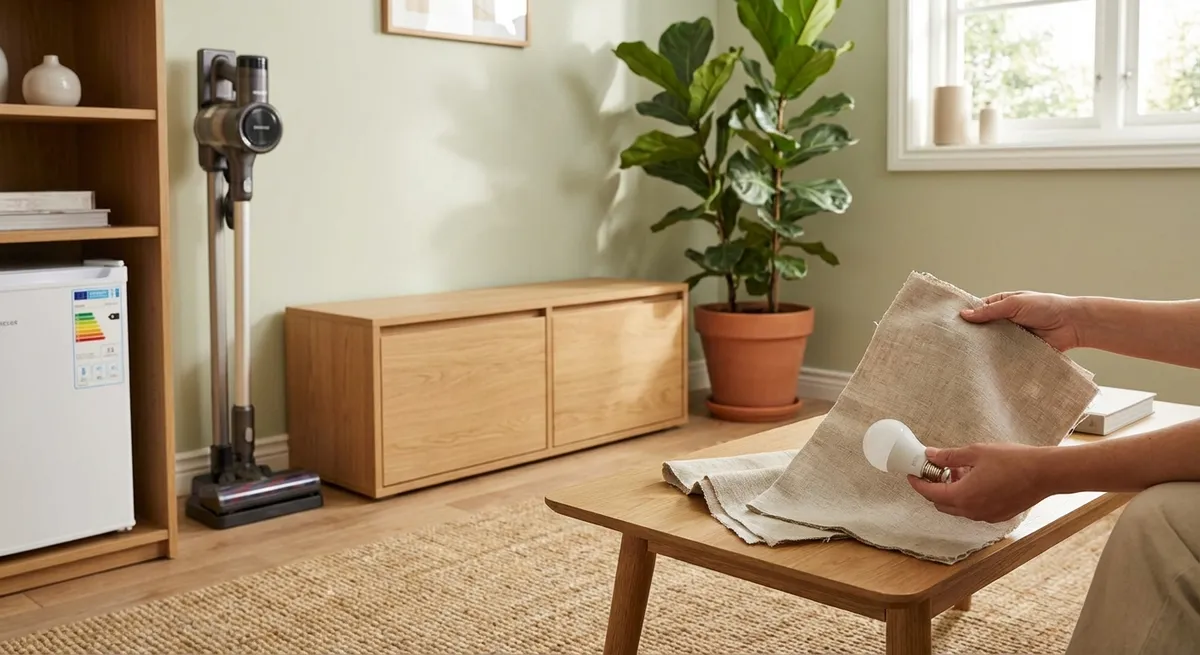
A home that feels good to live in doesn’t have to be expensive or high‑maintenance. The real trick is choosing home and garden products that quietly do their job, last a long time, and don’t create extra work or surprise bills. This guide walks through practical ways to shop smarter for your space—so every purchase pays you back in time saved, comfort gained, or money not wasted.
Start With Your “Hidden Costs” Checklist
Before you buy anything for home or garden—whether it’s a sofa, a lawn tool, or a set of curtains—look beyond the price tag and think about what that item will cost you over its lifetime.
Hidden costs often show up as:
- Time: How often does this need to be cleaned, refilled, repaired, or maintained?
- Energy: Does it raise your power or water bill?
- Space: Does it take up storage or clutter your rooms?
- Supplies: Does it require proprietary filters, pods, or special cleaners?
- Replacement: How easy is it to repair instead of replace?
For example, a cheap vacuum that clogs easily might need replacing every couple of years and forces you to buy disposable bags. A slightly more expensive, bagless vacuum with washable filters may cost more upfront but save you both money and hassle over time. When you compare options, write down the hidden costs of each. Often, the “mid‑range but durable” item ends up cheaper than the bargain version that breaks or the premium one loaded with features you never use.
Tip 1: Choose Materials That Match Your Lifestyle, Not Aspirations
It’s easy to imagine yourself lovingly polishing a marble countertop or pruning a rose garden every weekend. Realistically, your purchases should match how you actually live, not the fantasy version of you that has endless free time.
For indoor items, focus on materials that tolerate daily life:
- Flooring: If you have kids or pets, luxury vinyl plank or laminate often holds up better to spills and scratches than soft hardwoods.
- Upholstery: Tight‑weave fabrics, performance polyester, or treated cotton resist stains better than delicate linen or velvet.
- Countertops: Quartz and solid surface are lower maintenance than natural stones like marble that stain easily and require sealing.
- Rugs: Low‑pile, washable rugs are kinder to allergy sufferers and easier to clean than high‑pile or shag options.
Outdoors, match plants and surfaces to your climate and habits:
- Pick drought‑tolerant or native plants if you don’t enjoy frequent watering.
- Choose composite decking or powder‑coated furniture if you don’t want regular sanding, sealing, or repainting.
- Avoid high‑shedding trees if leaf cleanup drives you crazy.
When comparing options, ask: “How will this look after three years of real use in my home?” Products that age gracefully are almost always the better buy.
Tip 2: Prioritize Efficiency Where It Really Pays Off
Some home upgrades pay you back every single month on your utility bills. Those are the purchases where efficiency is worth serious attention.
For major appliances (fridge, washer, dryer, dishwasher), check:
- ENERGY STAR certification and estimated annual operating cost
- Water usage, especially for dishwashers and washing machines
- Load capacity, so you run fewer cycles for the same amount of laundry or dishes
For home comfort and lighting:
- Look for LED bulbs with good lumen output and warm color temperature; they use far less energy and last significantly longer than incandescent bulbs.
- Consider a programmable or smart thermostat if you have a central heating/cooling system and a fairly regular schedule.
- Evaluate weatherstripping, door sweeps, and window treatments that help with insulation—often a low‑cost upgrade with a measurable impact.
In the garden, “efficiency” can be about water and labor:
- Drip irrigation systems and soaker hoses reduce water waste and evaporation.
- Rain barrels or simple rainwater collection systems can offset water use for plant beds.
- Mulch helps retain soil moisture and suppresses weeds, translating to less time spent weeding and watering.
When you see a higher price on an efficient product, consider your payback period. If an appliance saves $15–$20 a month on utilities, paying $150 more upfront can make sense.
Tip 3: Pick Versatile Pieces Instead of Single‑Purpose Gear
In both home and garden, multipurpose items often beat “specialized” tools that do one job and then gather dust. Versatility saves you money, storage space, and decision stress.
Inside the house, look for:
- Modular shelving that can be reconfigured as storage needs change.
- Furniture that doubles up (storage ottomans, sofa beds, nesting tables).
- Kitchen tools that handle multiple tasks (a good chef’s knife instead of multiple specialty slicers, an enameled Dutch oven that goes from stovetop to oven to table).
In the garden or yard:
- A sturdy multi‑tool set (interchangeable handles and heads) instead of a separate tool for every task.
- Adjustable hose nozzles rather than multiple separate sprayers.
- A quality, all‑purpose pruning tool that can handle most trimming instead of a drawer full of niche cutters.
When shopping online, scan the product description and reviews for how many different uses people mention. The more ways an item can serve your home, the easier it is to justify the purchase and the less clutter you accumulate over time.
Tip 4: Test Comfort and Function Before You Commit
Looks are important, but for items you use daily—bedding, seating, lighting, tools—how they feel and function matters more than any aesthetic trend. A few simple habits can prevent expensive regrets.
For comfort purchases like mattresses, pillows, and office chairs:
- Prioritize products with a genuine trial or return period, especially for online orders.
- Take the time to test posture and support: sit or lie in your typical position for several minutes, not just a quick “sit and stand.”
- Look for reviews that mention long‑term comfort, not just first impressions.
For functional items like faucets, cabinet hardware, or garden tools:
- Try the grip and motion if possible: Does the tool feel balanced? Is the handle comfortable to hold?
- Consider who else will use it—kids, older adults, anyone with mobility or grip issues—and whether it’s easy for them to operate.
- Check if replacement parts (spray heads, washers, blades) are widely available and reasonably priced.
Also pay attention to noise levels. A loud bathroom fan, blender, or leaf blower can become a daily annoyance. Look for decibel (dB) ratings when available and aim for quieter models in spaces where sound carries. Comfort isn’t just physical; it’s also about how your home sounds and feels to live in.
Tip 5: Use Reviews Strategically (Without Getting Overwhelmed)
Online reviews are powerful, but they can also be misleading or overwhelming if you read them without a plan. The goal is to spot patterns that relate to how you’ll actually use the item.
Use reviews in a focused way:
- Sort by “most recent” to see how the product is performing now, especially after any design changes.
- Read a mix of 3‑star and 4‑star reviews; these often give the most balanced pros and cons.
- Filter for keywords that matter to you, like “durable,” “quiet,” “stains,” “assembly,” “small spaces,” or “heavy.”
Look for recurring themes:
- Multiple complaints about the same issue (e.g., peeling finish, faulty zippers, rust outdoors) are a red flag.
- Consistent praise for specific qualities (e.g., “easy to clean,” “great for small apartments,” “withstands winter weather”) indicate a good match if those traits matter to you.
Be cautious with:
- Reviews that are overwhelmingly vague (“Great!” “Terrible!” with no details).
- Photos that show the product in professional lighting only; also look for real‑life customer photos.
- Products with a perfect 5.0 rating on thousands of reviews and nearly identical phrasing; that can be a sign of low‑quality or incentivized reviews.
Finally, pair reviews with independent guides and brand research. A little extra homework before you click “buy” can save you from returns, replacements, and buyer’s remorse.
Conclusion
A home you enjoy living in isn’t built out of trendy purchases; it’s built from thoughtful choices that respect your time, budget, and energy. When you consider hidden costs, match materials to your real lifestyle, lean into efficiency, favor versatile and comfortable pieces, and use reviews strategically, you turn every purchase into a quiet asset instead of future clutter. Over time, these small, smart decisions add up to a calmer, easier‑to‑maintain home and garden that genuinely supports the way you live.
Sources
- ENERGY STAR: Product Finder and Savings Information - Official U.S. government program providing efficiency ratings, estimated energy use, and cost savings for home appliances and electronics.
- U.S. Department of Energy – Energy Saver - Government guidance on home efficiency, including lighting, heating/cooling, and weatherization tips that inform smart purchasing.
- EPA WaterSense – Outdoor Water Use - Explains efficient irrigation, watering practices, and product labels for smarter garden and landscape decisions.
- University of Florida IFAS Extension – Right Plant, Right Place - Educational resource on choosing plants that match your climate and maintenance preferences to reduce care and replacement costs.
- Mayo Clinic – Indoor Air Pollution and Health - Discusses indoor air quality concerns that relate to material choices, fabrics, and cleaning needs inside the home.
Key Takeaway
The most important thing to remember from this article is that this information can change how you think about Home & Garden.