
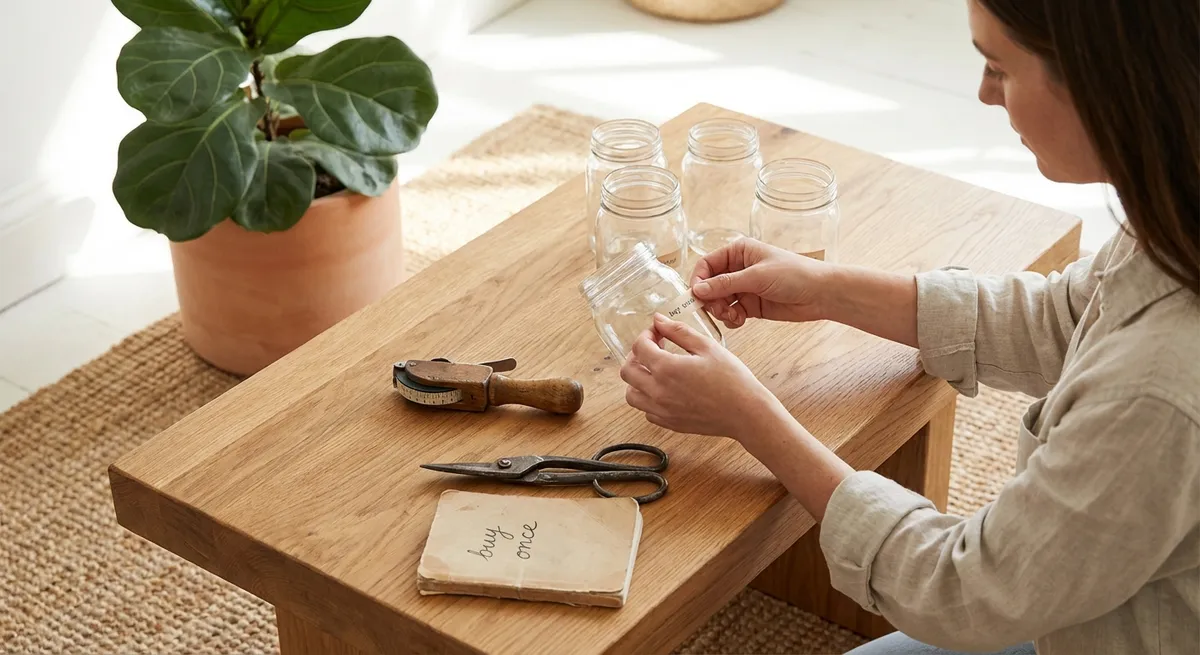
Home and garden purchases can quietly drain your budget—cleaners that don’t really work, tools that rust, storage that collapses, décor that looks tired after one season. The good news: with a bit of structure, you can turn “random Amazon orders” into intentional, long-lasting upgrades that make your home calmer, cleaner, and easier to live in.
This guide walks through how to think about everyday home & garden buys, plus five practical tips to avoid wasteful spending while still getting products you’ll actually enjoy using.
Start With Friction, Not Aesthetic
Most people begin with how they want their home to look. A better starting point is how you want your home to work.
Walk through your space and note where you constantly feel friction:
- The closet that always overflows
- The broom that never quite reaches the corners
- The hose that kinks every single time you water
- The entryway where shoes pile up into a mini mountain
Those daily annoyances are where smart purchases have the biggest impact. Before adding anything to your cart, write a one-line “job description”:
- “I need a hose that doesn’t kink and reaches the back garden.”
- “I need a shoe solution that lets kids put things away without my help.”
- “I need storage that can handle damp garage conditions.”
This simple habit keeps you from buying for vibes alone. Aesthetic still matters—but once a product solves a real problem, style becomes a tie-breaker, not the main driver.
Tip 1: Choose Fewer, Better Tools for Cleaning and Yard Work
A crowded cleaning closet or shed often means money wasted on tools that don’t really work. Focus on a lean, high-quality “tool core” instead of lots of niche gadgets.
For indoor cleaning, prioritize:
- A durable, well-designed vacuum that fits your flooring mix (carpet vs. hard floors, pet hair, stairs). Check noise levels, filtration (HEPA if allergies are an issue), and ease of maintenance (filter access, bin emptying).
- A sturdy microfiber system (cloths and mop pads) that can be washed and reused hundreds of times. High-quality microfiber often cleans better with less chemical cleaner.
- A narrow set of multi-surface cleaners rather than a different spray for every room. Look for clear ingredient disclosures and any third-party certifications (like EPA Safer Choice in the U.S.).
For outdoor work, prioritize:
- One solid digging tool (like a forged-steel shovel or spade) over a set of flimsy tools.
- A reliable pruner with replaceable blades and parts.
- A hose rated for your climate (UV-resistant for sun, flexible in cold) and brass fittings instead of plastic, if possible.
Before you buy, read user reviews that mention months or years of use, not just “unboxed today.” Long-term feedback is where durability (and frustration points) show up.
Tip 2: Go Modular With Storage Instead of “One Big Solution”
Closet systems, garage organizers, and patio storage benches can turn into expensive mistakes if they don’t adapt to how your household changes over time.
Look for modular systems that:
- Use standardized sizes or rails so you can add or remove pieces later
- Have clear weight ratings (for shelving, hanging rods, overhead storage)
- Offer components you actually need (drawers, bins, hooks, shoe shelves), not just what looks good in the promo photos
For inside the home:
- Clear, stackable bins with labels beat decorative baskets you can’t see into.
- Drawer dividers and shelf risers can upgrade what you already own without replacing all the furniture.
- Under-bed storage with wheels or sliders makes it more likely you’ll actually use the space.
For outdoor and garage storage:
- Choose materials that match exposure: powder-coated metal or resin for humid or wet areas, and UV-resistant plastics for sun.
- Avoid flimsy resin sheds or cabinets with thin doors and weak hinges; upgrade here and they’ll survive years of weather and heavy use.
Measure the spaces you’re targeting and map out rough dimensions before buying. A quick sketch with measurements on your phone will save you from “almost fits” returns and half-useful products.
Tip 3: Prioritize Materials Over Brand Names
Labels can be misleading, but material quality is more objective. For home and garden staples, the right materials can mean years of additional life.
Some examples:
- Cookware & bakeware: Favor heavy-gauge stainless steel or cast iron for longevity, and be realistic about how gently you’ll treat nonstick surfaces. For daily workhorses, durable finishes and solid construction are better value than a one-time “perfectly nonstick” pan that flakes in a year.
- Textiles (towels, bedding, outdoor cushions): Look for fiber content (e.g., 100% cotton, linen, or performance fabrics for outdoors) and weight (GSM for towels, denier for some outdoor fabrics). Heavier isn’t always better, but extremely thin or vague descriptions are red flags.
- Outdoor furniture: Powder-coated aluminum, treated hardwoods (like teak when responsibly sourced), or high-quality resin outlast bargain steel that rusts quickly. Cushions with removable, washable covers and UV-resistant fabrics will look better for more seasons.
When comparing options:
- Scan product pages or tags for specific claims like “solid wood” vs. “wood finish,” “stainless steel” vs. “stainless look,” “UV-resistant” vs. “for outdoor use.”
- If a brand doesn’t clearly state materials where competitors do, assume the cheaper, less durable option until proven otherwise.
Better materials may cost more upfront, but they reduce replacement frequency—and the hidden costs of hauling broken items to the curb and re-shopping every year.
Tip 4: Test “Ease of Care” Before You Commit
A product that’s hard to clean or maintain usually becomes a regret buy, no matter how pretty or highly rated it is.
Before purchasing, ask:
- Can this be cleaned quickly with tools and supplies I already own?
- Are parts that will wear out (filters, blades, cushions, covers) replaceable and available?
- Does the finish show every fingerprint, or will it look grimy after a day of normal use?
- For plants and landscaping: does this match the sunlight, soil, and water reality of my yard or balcony, not my ideal fantasy?
Practical examples:
- Kitchen gadgets with many crevices, non-removable parts, or tiny screws are likely to sit in drawers once the novelty fades.
- Light-colored rugs in high-traffic or pet areas are high-maintenance unless they’re machine-washable or made from truly stain-resistant fibers.
- Balcony or indoor plants should be selected based on light levels (full sun vs. low light) and your watering style (forgetful vs. attentive).
Look for user photos in reviews; they often tell the truth about how things age, stain, and wear after months of real life.
Tip 5: Time Your Purchases Around Seasonal Cycles
Home and garden categories have predictable sales cycles. Planning purchases around these can significantly stretch your budget without forcing you into “cheapest is best” compromises.
Common timing patterns:
- Major appliances: Often discounted around holiday weekends and manufacturer promotion periods (e.g., Memorial Day, Labor Day, Black Friday in the U.S.).
- Outdoor furniture and grills: Typically see deep discounts at the end of summer and into early fall, as retailers clear seasonal inventory.
- Gardening tools and supplies: Markdowns are common at the end of growing season; you can stock up for next year, especially on durable items.
- Bedding and towels: Many retailers follow traditional “white sale” patterns (often in January), but also watch for mid-year promotions.
How to make this work without hoarding:
- Keep a prioritized list of upcoming home and garden needs, ranked by importance (e.g., “replace failing vacuum” outranks “upgrade patio cushions”).
- Set price alerts or track historical pricing on larger items so you recognize genuine drops instead of routine, shallow discounts.
- If storage space is tight, favor off-season buys that are compact (tools, textiles) over large furniture until you actually have room.
Strategic timing lets you choose higher-quality products at mid-range prices, which often beats buying the cheapest option at full price when something breaks unexpectedly.
Conclusion
Thoughtful home and garden purchasing isn’t about finding the most impressive gadget or the trendiest outdoor set. It’s about reducing daily friction, respecting your real habits, and spending once where you used to spend repeatedly.
If you:
- Start with specific problems,
- Invest in a small set of durable tools,
- Pay attention to materials and maintenance,
- And align big buys with seasonal discounts,
you’ll gradually build a home that works better, costs less to maintain, and feels calmer to live in. Your cart might look less exciting in the moment—but over time, your space (and your bank account) will tell a different story.
Sources
- U.S. Department of Energy – Appliances and Electronics - Guidance on choosing energy-efficient home appliances, which impacts long-term operating costs
- EPA Safer Choice Program - Explains the Safer Choice label and how to identify cleaning products with safer ingredients
- Consumer Reports – Lawn & Garden Buying Guides - Independent testing and buying advice for outdoor tools, mowers, and garden equipment
- University of Minnesota Extension – Selecting Landscape Plants - Practical information on choosing plants suited to your yard’s conditions
- Good Housekeeping Institute – Cleaning & Organizing - Expert-tested recommendations on cleaning tools, storage, and home-care products
Key Takeaway
The most important thing to remember from this article is that this information can change how you think about Home & Garden.