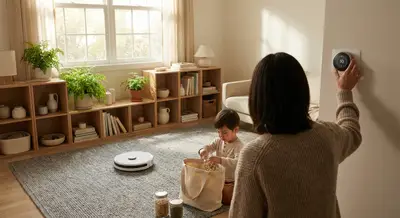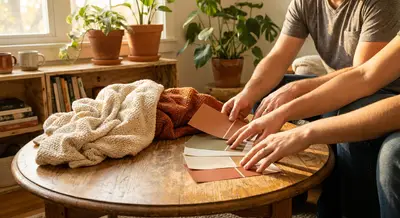

A peaceful, functional home doesn’t come from buying more stuff—it comes from buying the right stuff. Whether you’re setting up your first place or refreshing a long-lived home, the decisions you make in the Home & Garden aisle can either simplify your life or slowly overwhelm it. The goal isn’t to have the trendiest décor; it’s to create spaces that work for the way you actually live, without wasting money on things that don’t earn their keep.
This guide shows you how to think more strategically about home and garden purchases, with five practical tips you can apply before anything goes in your cart—online or in-store.
Start with Problems, Not Products
Most home purchases go wrong at the very first step: we start with a product we’ve seen, not a problem we actually have.
Instead of asking “Do I like this?” ask “What problem am I trying to solve?” Maybe your living room is dark at night, your hallway collects clutter, or your balcony plants die every summer. Define the issue in one clear sentence before you shop.
Walk through your home slowly and notice friction points: a chair that no one sits in, a counter that’s always covered, a corner that never gets used. Jot them down. Each specific frustration becomes a shopping brief. For example: “Need a side table with hidden storage for remotes and chargers” is far better than “new living room furniture.”
This problem-first approach helps you resist impulse buys and décor trends that don’t fit your life. It also makes comparing options easier, because you’re checking each potential purchase against a clear job description: “Will this actually fix the issue I wrote down?”
Buy for Maintenance, Not Just for the Moment
A lot of home and garden items look great on day one and become burdens on day thirty. The missing question in most buying decisions is: “What will this be like to maintain?”
Before you buy, mentally time-travel six months ahead. How often will this need to be cleaned, dusted, sharpened, oiled, watered, washed, or repaired? Does it require special cleaners, tools, or professional service? A stunning glass coffee table might look perfect on Pinterest, but if you have kids and pets, are you ready to wipe fingerprints three times a day?
In the garden, maintenance is even more critical. Trendy plants that demand precise watering or special soil can turn into recurring expenses and dead pots. A better filter is: “Will this survive and still look good if I’m busy, tired, or away for a week?” Native plants, drought-tolerant species, and slow-growing shrubs can deliver beauty with much lower ongoing effort.
When comparing two items, give extra credit to anything that’s easy to clean, repair, and move. Smooth surfaces, removable covers, machine-washable fabrics, modular designs, and standard-sized parts all reduce long-term friction. If you wouldn’t commit to the upkeep as part of the purchase, it’s a sign to keep looking.
Measure Your Space and Your Habits
Most people measure for fit; fewer measure for use. Smart home purchases have to work with both your floorplan and your daily patterns.
First, be literal: measure doorways, hallways, stairwells, and the exact footprint available for any large item. Oversized sofas, dining tables, grills, and garden sheds can become costly mistakes if they can’t actually get into or function in your space. Use painter’s tape on the floor to outline where a piece will go; live with the taped “footprint” for a day to see how it affects traffic flow.
Second, measure your habits. Where do shoes pile up? Where do you drop your bag and mail? Where do you naturally sit to work, read, or relax? Buying shoe storage for a closet no one uses won’t help; placing a narrow bench and hooks right where you actually enter the house will.
For outdoor spaces, notice where the sun hits at different times, where wind tunnels form, and which spots you genuinely linger in. A large dining set in the shade might get more use than a trendy lounge set roasting in full afternoon sun. Let your real habits—not just aspirational ones—guide what you bring home.
Choose Fewer, Better: Durability Over Dupes
In home and garden, “cheap but fine for now” often turns into “replace again soon.” While you don’t need luxury everything, some categories repay higher upfront quality with years of comfort, safety, and savings.
Items that are used daily, bear weight, or affect safety are worth upgrading: mattresses, office chairs, major appliances, cookware, exterior doors, and outdoor power tools. Look for solid construction (real wood or high-quality engineered wood rather than flimsy particleboard), reputable brands with available replacement parts, and warranties longer than the bare minimum.
For textiles—sofas, rugs, bedding—inspect fabric content and cleaning instructions. Natural fibers (cotton, wool, linen) and performance fabrics with stain-resistance can outlast cheaper synthetics that pill, flatten, or trap odors. Removable, washable covers and zip-off cushion cases significantly extend life.
This doesn’t mean everything must be top-shelf. Decorative accessories, seasonal cushions, and small planters can be areas to save. The key is to avoid buying multiple “almost right” items. One well-chosen lamp that provides proper light, suits your style, and can be repaired is a better investment than three discount lamps you keep replacing or hiding.
Use a 3-Job Rule for Every New Item
To keep your home from slowly filling with one-trick objects, apply a simple rule: anything that takes up permanent space should either do three jobs or do one job you absolutely can’t live without.
For indoor items, “jobs” can be functional or visual. A storage ottoman that holds blankets, offers seating, and works as a coffee table clearly earns its space. A bookshelf that displays books, hides router/modem clutter with baskets, and anchors a reading corner with a lamp and chair is another good example.
In the garden, a plant might provide shade, attract pollinators, and offer seasonal color. A rain barrel could reduce water bills, protect your foundation by managing runoff, and support your garden during dry spells. Multi-function pieces make every square foot work harder and help you buy less.
If an item only does one thing, it has to be an essential: a smoke alarm, a safe ladder, a carbon monoxide detector, a properly sized fire extinguisher. These are non-negotiable safety purchases that don’t need multiple jobs to justify their place.
Before checkout—especially with big or bulky items—ask: “What three roles will this realistically play in my home?” If you can’t answer without stretching, it’s likely not the smartest addition.
Conclusion
A calmer, more functional home isn’t built in one shopping trip; it’s shaped one thoughtful purchase at a time. When you start with your real problems, account for maintenance, measure both space and habits, prioritize durability, and demand multiple jobs from most items, your home begins to support you instead of silently draining time and money.
The smartest Home & Garden buys are the ones you keep using—and appreciating—years from now. Let every purchase audition for that role.
Sources
- U.S. Department of Energy – Appliances and Electronics - Guidance on choosing energy-efficient home appliances to reduce long-term costs
- Environmental Protection Agency (EPA) – WaterSense Program - Information on water-efficient fixtures and outdoor watering, relevant to garden and irrigation purchases
- University of Minnesota Extension – Sustainable Home Landscaping - Research-backed advice on plant selection, native species, and low-maintenance yard planning
- Consumer Reports – Furniture Buying Guide - Independent evaluations and tips on assessing furniture quality and durability
- Mayo Clinic – Sleep Tips: 6 Steps to Better Sleep - Explains the importance of quality sleep, supporting smarter investment in mattresses and bedroom environments
Key Takeaway
The most important thing to remember from this article is that this information can change how you think about Home & Garden.