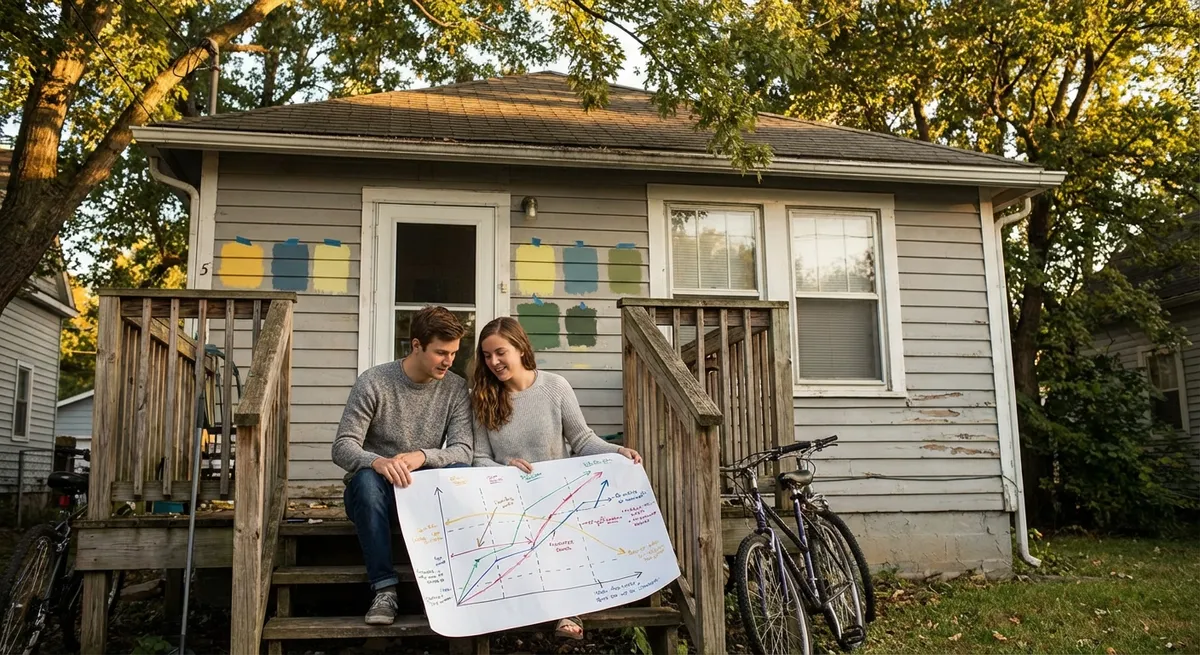
Buying a home is one of the biggest financial decisions most people ever make—but it doesn’t have to feel like a gamble. With the right approach, you can think beyond “Can I get approved?” and focus on “Will this still be a smart decision for me in 5–10 years?” This guide walks you through practical, consumer-focused ways to shop for real estate more confidently, with five specific tips you can start using before you even step into an open house.
Looking Beyond Listing Photos: How to Research a Neighborhood Properly
Before you fall in love with a kitchen or backyard, treat the neighborhood as the main product you’re buying. Homes can be updated; locations cannot. Start with objective data: crime statistics, school performance (even if you don’t have kids, schools can affect resale value), commute times, and access to services like hospitals, grocery stores, and public transit.
Visit at different times of day—morning, late afternoon, and evening—to get a real feel for traffic, noise, and safety. Talk to neighbors if you can; they’ll often share what’s changing locally, from new developments to rising HOA fees. Check local government or planning board websites for zoning changes or upcoming construction that could impact your quality of life or home value. A neighborhood that feels “up-and-coming” might be a great bet—if the changes align with your lifestyle and budget, not just speculation about future price jumps.
Tip 1: Start With a Total Cost Budget, Not Just the Purchase Price
Many buyers begin with, “How much house can I get approved for?” A smarter starting point is, “What monthly and yearly costs can I comfortably sustain without stress?” This means looking well beyond the sticker price.
Include in your budget: mortgage payments, property taxes, homeowner’s insurance, HOA or condo fees, expected utilities, and maintenance. A common rule of thumb is to budget 1–3% of your home’s value annually for ongoing maintenance and repairs. A lower-priced home with high taxes and poor energy efficiency can easily cost more over time than a slightly higher-priced home with lower carrying costs.
Before shopping, decide on a “comfort zone” payment and a hard ceiling you won’t cross—even if you get approved for more. This keeps negotiations and emotions from pushing you into a property that looks impressive but becomes a monthly burden.
Tip 2: Prioritize a Strong Inspection Over Cosmetic Perfection
Fresh paint and staged furniture can distract from expensive issues hiding underneath. Instead of focusing on decor, train yourself to look for the big-ticket systems: roof, foundation, plumbing, electrical, windows, and heating/cooling. These are the things that can unexpectedly drain your savings after you move in.
Always insist on a professional home inspection with a licensed inspector—even for newer homes. Read the inspection report carefully, and don’t be afraid to ask clarifying questions. If there are serious findings, you can negotiate repairs, request a credit at closing, or walk away if the risks are too high. Ask your inspector for a “repair priority” list so you know what’s urgent versus what can wait.
A house that looks slightly outdated but has a solid structure and well-maintained systems is usually a better long-term buy than a trendy remodel hiding long-neglected maintenance.
Tip 3: Match the Home to Your 5–10 Year Life Plan
Instead of asking, “Do I like this house right now?” ask, “Will this still work for me in five years?” Think through what might change: job location, family size, caregiving responsibilities, or desire to work from home. Buying a house that barely fits your current life may force an expensive move sooner than you’d like.
Consider flexible spaces: an extra bedroom that can become a home office, or a finished basement that can serve as a playroom now and guest suite later. Think about stairs and accessibility if you anticipate caring for aging family members or want to stay in the home long term.
Also consider exit strategies. If you needed to move suddenly, would this home be easy to rent or resell in your market? Features like a functional layout, off-street parking, and proximity to amenities often matter more for future buyers and renters than trendy finishes or custom upgrades.
Tip 4: Compare Financing Options Like You Compare the Property
The house isn’t the only thing you’re buying—you’re also buying a mortgage. Small differences in rate, term, and structure can cost or save you tens of thousands of dollars over time. Shop across multiple lenders, including banks, credit unions, and online mortgage companies, and compare official Loan Estimates side by side.
Look at more than just the interest rate: factor in closing costs, points, mortgage insurance, and prepayment penalties. Decide whether a fixed-rate mortgage (more stability) or an adjustable-rate mortgage (potentially lower early payments but more risk) fits your risk tolerance and how long you realistically plan to stay.
Ask lenders to show you the total cost of the loan over the full term and the break-even point if you pay points to reduce the rate. If a lender can’t clearly explain their numbers in plain language, that’s a red flag—not just for the loan, but for how they’ll treat you if issues arise.
Tip 5: Use Market Data to Negotiate With Facts, Not Just Feelings
Negotiation is easier when you bring data instead of just a “gut feeling” that the price is high. Ask your real estate agent for a comparative market analysis (CMA) showing recent sales of similar homes in the neighborhood, adjusted for differences in size, condition, and features. Look up how long properties in the area are typically staying on the market and how often they sell below or above asking price.
If the inspection reveals needed repairs or updates, use contractor estimates or reasonable cost ranges to support requests for price reductions or seller credits. Be clear about your walk-away point before you start negotiating, and remember that not every good house is a good deal for you.
In a hot market, you may feel pressure to waive contingencies or overbid, but those decisions can have lasting consequences. If an offer requires you to give up protections you’re not comfortable losing (like inspection or financing contingencies), it may be better to pass and wait for a home that fits both your needs and your risk tolerance.
Conclusion
Smart real estate buying is less about chasing the “perfect house” and more about choosing a property and a mortgage that fit your life, your budget, and your long-term plans. When you look beyond listing photos, build your budget around total costs, invest in a thorough inspection, align your choice with your future, and negotiate using real data, you turn a stressful purchase into a controlled, informed decision. The goal isn’t just to get the keys—it’s to still be glad you bought this home, on these terms, years down the road.
Sources
- Consumer Financial Protection Bureau – Owning a Home - Step-by-step tools and guidance for mortgages, closing costs, and comparison shopping
- U.S. Department of Housing and Urban Development (HUD) – Home Buying - Federal programs, homebuying basics, and counseling resources
- Federal Trade Commission – Tips for Home Buyers - Advice on mortgage shopping, avoiding scams, and understanding loan terms
- National Association of Realtors – Research & Statistics - Market trends, buyer and seller behavior reports, and housing data
- Energy.gov – Home Energy Checkup - Guidance on evaluating a home’s energy efficiency and potential cost savings
Key Takeaway
The most important thing to remember from this article is that this information can change how you think about Real Estate.