
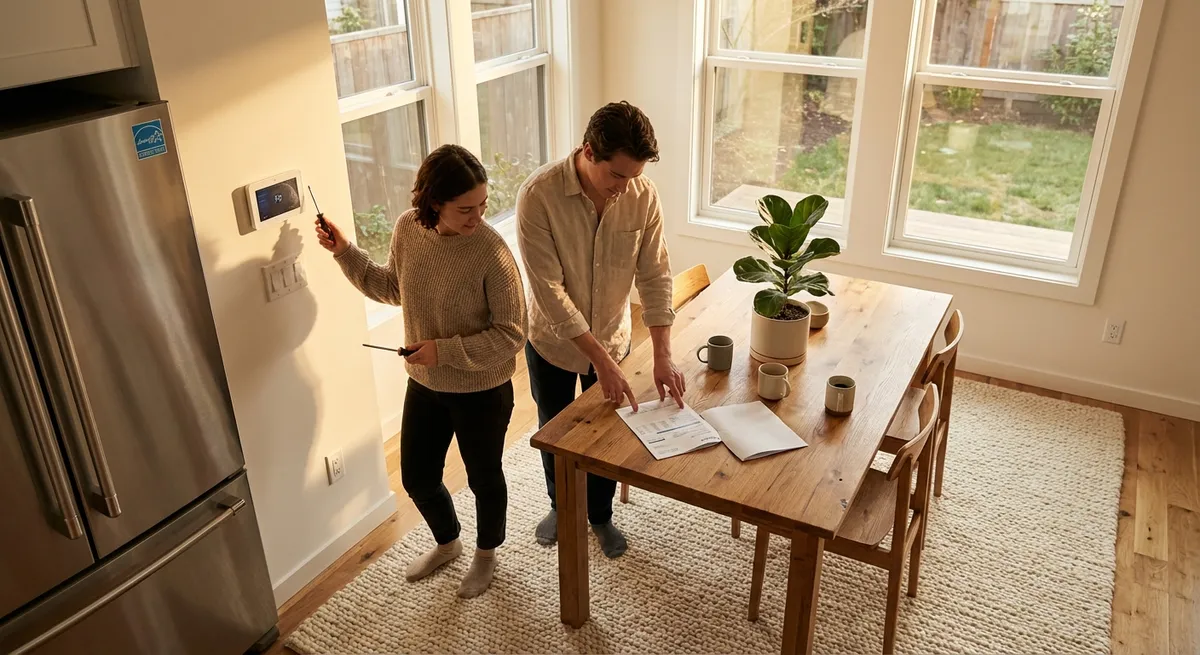
Most home purchases feel like a cost. But some of the smartest Home & Garden buys actually pay you back—through lower bills, less maintenance, and a home that works better every day. Instead of impulse-buying decor or the latest gadget, you can look for upgrades that quietly save money, time, and hassle in the background.
This guide walks through how to think like a “value-first” homeowner or renter, plus five practical purchasing moves that turn everyday home spending into long-term comfort and savings.
Start With the Bills, Not the Wishlist
Before you buy anything for your home, your monthly bills are the best roadmap for what to improve first. Energy, water, and maintenance costs reveal where small upgrades can have a big impact.
Scan your last 3–6 months of bills and look for patterns: high heating or cooling costs, water charges that seem higher than average, or frequent repairs for the same issue (like a finicky faucet or a constantly running toilet). Each of these is a clue that you might be “paying rent” to inefficiency instead of investing in an upgrade that fixes the root problem.
By starting with what’s already costing you money, you avoid random purchases and instead target items that can reduce those recurring expenses. This approach works whether you own or rent—it just changes what you focus on. Homeowners might prioritize insulation or appliances; renters might choose plug-in solutions like draft stoppers, smart plugs, and better LED lighting they can take with them.
Tip 1: Choose Lighting That Cuts Costs Quietly
Lighting is one of the easiest home upgrades to get wrong or right. Cheap bulbs and fixtures can seem like a bargain, but they often waste energy, burn out faster, and give poor quality light that strains your eyes and makes rooms feel harsh or gloomy.
When upgrading lighting, look at three things: efficiency, color temperature, and lifespan. LED bulbs with the ENERGY STAR label usually use about 75% less energy and last much longer than traditional incandescent bulbs. Over time, that can turn a small price difference into real savings on your power bill. At the same time, picking the right color temperature—warm white for living spaces, neutral or cool white for task areas like kitchens or desks—can make your home feel more comfortable and functional without adding more lamps.
Before buying, walk room by room and decide what each space needs: softer light for relaxing, brighter focused light for working, or layered lighting that combines both. Then buy with a plan instead of tossing random bulbs into your cart. A focused swap to efficient, good-quality bulbs and one or two thoughtfully chosen fixtures can give your home a noticeable upgrade in both comfort and operating cost.
Tip 2: Upgrade Climate Control, Not Just the Thermostat Setting
If your utility bill spikes every season, you may be trying to solve a hardware problem with a thermostat adjustment. Turning the temperature up or down only goes so far if your home constantly leaks heated or cooled air.
The smartest purchases here depend on your living situation. For homeowners, a programmable or smart thermostat can help avoid heating or cooling an empty home, but it’s even more powerful when paired with basic improvements like sealing window drafts and adding insulation to attics or crawl spaces. These less visible upgrades can offer long-lasting savings and make every hour in your home more comfortable.
Renters and condo dwellers can still make smart moves with portable items. Consider insulated curtains for drafty windows, weatherstripping around doors, and carefully chosen fans to improve air circulation so your heating or cooling doesn’t have to work as hard. When you do buy a space heater or portable AC unit, compare energy efficiency, safety features, and whether the capacity matches the room size. Spending a bit more for a right-sized, efficient unit is usually cheaper over time than running an overworked bargain model that never quite does the job.
Tip 3: Buy Kitchen Tools That Replace Convenience Purchases
The kitchen is where many households quietly overspend—on takeout, pre-cut ingredients, and single-use gadgets that don’t get used often. A smarter approach is to buy a few durable tools that make it realistic to cook and prep at home more often, reducing both food waste and grocery costs.
Instead of collecting new gadgets, focus on items that solve repeated annoyances. A good, comfortable chef’s knife and a stable cutting board can make chopping faster and safer, reducing the temptation to pay extra for pre-chopped produce. Sturdy, airtight food storage containers help you actually use leftovers and bulk purchases instead of throwing them away. A reliable, easy-to-clean pan that heats evenly can turn simple ingredients into satisfying meals without needing complicated recipes.
Before any kitchen purchase, ask whether it will help you replace a recurring expense like delivery fees, single-serve snacks, or prepackaged meals. If an item makes it easier to cook basic meals or pack lunches, it’s more than just a tool—it’s a way to keep your food budget and waste under better control. Over time, a few well-chosen kitchen upgrades can quietly help you spend less outside the home.
Tip 4: Choose Cleaning Gear That Protects Surfaces and Time
Cleaning products and tools are often bought on auto-pilot, but they can be a smart place to invest once instead of repurchasing constantly. Cheap items that wear out quickly, scratch surfaces, or don’t work well can end up costing more in the long run, especially if they shorten the life of floors, countertops, or fixtures.
When buying cleaning tools, pay attention to how well they match your home’s materials. For example, hardwood and laminate flooring often benefit from specific types of mop heads and cleaners that avoid excess water and abrasion. Microfiber cloths can clean glass, stainless steel, and other smooth surfaces with minimal chemicals, and they’re reusable when washed properly. A vacuum with the right attachments for your flooring type and furniture can do more in one pass, meaning less time spent cleaning and less wear from repeated scrubbing.
It also helps to streamline what you buy. A few versatile, surface-appropriate cleaners and tools that you actually like using are better than a closet full of half-used bottles. Before adding a new cleaning gadget to your cart, consider whether it replaces multiple older items or reduces physical effort enough to make cleaning more manageable on a regular schedule. Over time, better tools can help you protect your home’s finishes and free up time for things you’d rather be doing.
Tip 5: Make Outdoor Purchases That Lower Maintenance, Not Add It
Yard and garden spending can quickly spiral if every season brings new tools, plants, and decor that don’t last or need constant attention. A different way to think about outdoor purchases is to look for items that either reduce maintenance or withstand weather and use better over time.
For basic lawn care, it can be worth investing in well-built tools that are comfortable to handle and easy to store, whether that’s a mower, trimmer, or simple hand tools for smaller spaces. If you’re choosing between a cheaper tool and a higher-quality one, factor in how often you’ll use it, what maintenance it requires, and whether parts are easy to replace. Sometimes sharing or renting larger tools for occasional tasks can be smarter than owning one outright.
When it comes to plants and outdoor materials, look for options suited to your local climate and light conditions. Native or region-appropriate plants typically need less water and care once established, cutting down on both time and utility use. Durable outdoor furniture and planters made from materials built to withstand sun and moisture can avoid the yearly cycle of replacing faded or cracked items. Every outdoor purchase should be tested with one question: will this make it easier or harder to keep the space looking and feeling good over the next few years?
Conclusion
Smart home and garden purchases don’t have to be flashy to make a real difference. By focusing on lighting, climate control, kitchen basics, cleaning tools, and outdoor essentials that quietly reduce your monthly costs and daily effort, you turn routine buying into long-term improvement.
Each time you consider a new item for your home, ask how it affects your bills, your time, and the lifespan of what you already own. When you buy with those questions in mind, your home becomes more comfortable and efficient—and your budget has more room for the things you truly value.
Sources
- ENERGY STAR – Lighting and LED Basics - Explains how efficient light bulbs work, their benefits, and what to look for in energy-saving lighting.
- U.S. Department of Energy – Energy Saver Home Heating & Cooling - Covers practical ways to reduce heating and cooling costs, including insulation, sealing, and smart controls.
- U.S. Department of Energy – Weatherize Your Home - Provides guidance on sealing leaks, adding insulation, and other upgrades that improve comfort and lower energy use.
- Harvard T.H. Chan School of Public Health – Healthy Kitchen Starter Guide - Outlines essential kitchen tools and setups that support more home cooking and healthier eating.
- University of Minnesota Extension – Selecting and Caring for Yard and Garden Tools - Offers advice on choosing durable outdoor tools and maintaining them for long-term use.
Key Takeaway
The most important thing to remember from this article is that this information can change how you think about Home & Garden.