
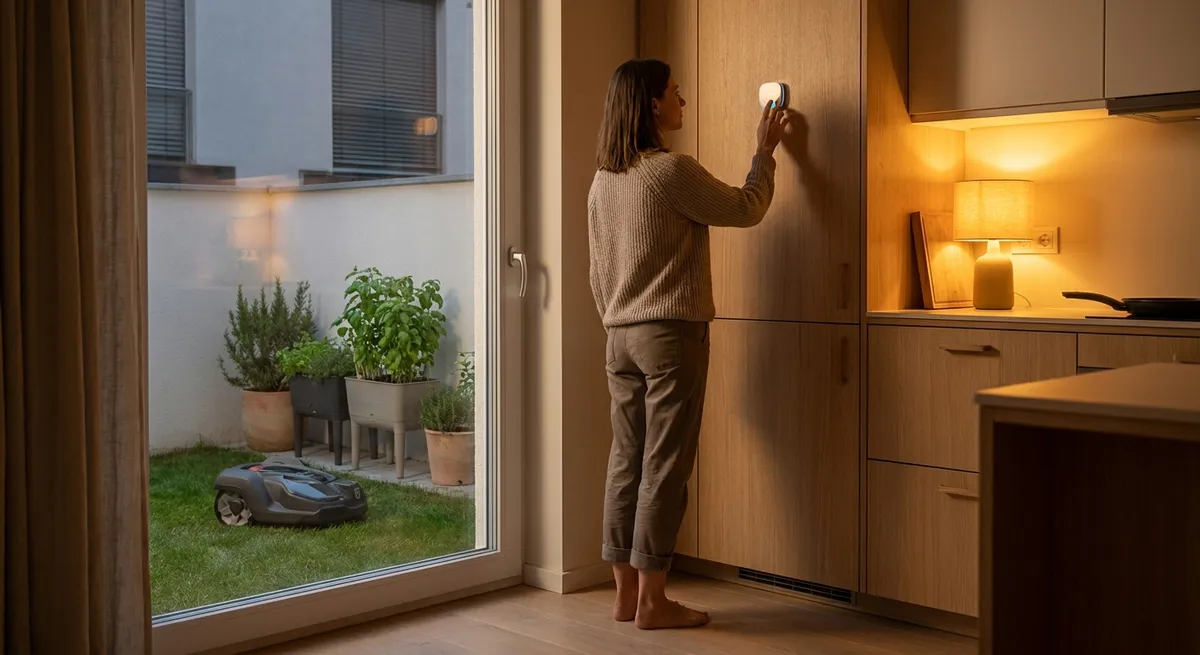
Most people upgrade their home and garden in bursts—big weekends at the hardware store, impulse décor buys online, or a spring plant haul that’s half “wishful thinking.” The result is often clutter, wasted money, and projects that don’t really make daily life better. This guide focuses on something different: smart, quietly powerful purchases that earn their place in your home because they solve real problems, last longer, and support how you actually live.
Below are five practical, consumer-focused tips to guide better buying decisions for your home and garden—whether you’re outfitting your first place or refining a long-loved one.
Tip 1: Buy for Daily Friction, Not for “Someday” Plans
The best home and garden purchases remove small, repeated annoyances. Before buying anything, identify where you feel friction in a normal week.
Ask yourself:
- Where do things pile up or feel chaotic (entryway, kitchen counter, kids’ rooms)?
- What chores do you avoid because they’re tedious (watering, vacuuming, putting tools away)?
- What breaks your focus or relaxation at home (noise, bad lighting, uncomfortable seating)?
Turn those answers into a shortlist of problems to solve. Then shop for items that directly target those issues, instead of abstract goals like “making the living room nicer.”
Examples of friction-first purchases:
- A wall-mounted hook rail and tray at the entry so keys, bags, and mail have a landing zone.
- Drip irrigation or self-watering planters if your plants constantly suffer from inconsistent watering.
- A narrow rolling cart that fits between washer and dryer for detergents and cleaning items.
- A floor lamp with adjustable brightness instead of more decor that doesn’t fix the lighting.
When evaluating a product page, look for proof that it addresses a real use-case like yours—photos of the item in small spaces, reviews mentioning “this finally stopped X from happening,” or features clearly tied to the problem you’re facing. If you can’t match the product to a specific pain point, hold off.
Tip 2: Choose Materials and Construction Before Style
In Home & Garden categories, style is heavily marketed because it’s easy to show in photos. But durability, maintenance, and comfort matter more to your time and wallet.
Prioritize materials and construction by asking:
Where will this be used? (Indoors vs outdoors, high-traffic vs occasional use)
What does it need to survive? (Sun, moisture, pets, kids, heavy use)
How much care am I realistically willing to give it? (Cleaning, sealing, covering, laundering)
Some practical material guidelines:
- Outdoor furniture:
- If you get strong sun or rain, look for powder-coated aluminum, teak, or high-quality resin meant for UV exposure. Avoid untreated wood or thin steel that rusts quickly.
- Check if cushions have UV-resistant, removable, and washable covers.
- Rugs and soft furnishings:
- In high-traffic or kid/pet areas, synthetic fibers (like polypropylene) or washable cotton can outlast delicate wool or viscose.
- If a rug can’t be spot-cleaned without special chemicals, it may not be practical for daily life.
- Kitchen and bath:
- Choose solid metal fixtures (brass, stainless, zinc alloy) instead of lightweight plastic with a metal finish.
- For cutting boards and utensils, hardwood or quality plastic that’s dishwasher-safe is usually more practical than bamboo that cracks or warps if poorly maintained.
Scan product descriptions for specifics: thickness, material type (not just “metal” or “wood”), coating, and any care instructions. Vague terms like “premium material” or “high-quality finish” without details are a red flag. If maintenance sounds unrealistic for your lifestyle, move on—even if the item looks perfect.
Tip 3: Measure for Fit, Not Just Size
Plenty of returns and regrets come from items that technically “fit” but don’t work in practice. Before buying, think about fit in three dimensions: spatial, functional, and visual.
Spatial fit (does it physically work?)
- Measure the floor area, wall space, and height where the item will go.
- For furniture, check depth as carefully as width—this often determines whether a piece feels cramped or comfortable.
- For garden items (raised beds, sheds, storage boxes), also consider access and walkways: can you comfortably move around them?
Functional fit (can you use it comfortably?)
- Seating: Look for seat height, seat depth, and back height. If you’re shorter or taller than average, these specs matter more than style.
- Storage: Consider internal dimensions, not just external ones. A cabinet might be tall but too shallow for what you need to store.
- Outdoor gear: For tools like lawnmowers, trimmers, or wheelbarrows, check weight and handle height to avoid strain.
Visual fit (does it feel balanced in the space?)
- Oversized décor or furniture in a small room can make it feel cluttered.
- Tiny art on a large wall can look like an afterthought.
- In gardens, very tall planters or structures can overwhelm small patios; low, sprawling pieces can feel lost in a large yard.
Before buying, use masking tape on the floor or wall to outline the footprint or dimensions of the item. Stand back and walk around it. This simple step can prevent “it looked smaller online” disappointments and expensive returns.
Tip 4: Read Reviews for Use-Case Clues, Not Just Star Ratings
Online ratings hide nuance. A product might have 4.7 stars overall, but that doesn’t mean it’s right for your specific situation. Focus on reviews that match your use-case, environment, and expectations.
When scanning reviews:
- Sort by “Most Recent” and “Most Helpful,” not just “Top Rated.” Newer reviews can reveal quality changes over time.
- Search within reviews for keywords: “small space,” “pets,” “kids,” “apartment,” “balcony,” “humid,” “cold climate,” “full sun.” This helps you find people living similarly to you.
- Look for long-term updates. Phrases like “after 6 months,” “after a year,” or “through winter” tell you more than first impressions.
- Pay attention to photos and videos. These show real colors, scale, and wear and tear.
Treat extreme reviews (1-star rants or 5-star gushes) with caution. Instead, look at the consistent middle. If multiple reviewers mention:
- “Fabric faded after one summer,”
- “Rust spots appeared in 3 months,” or
- “Difficult to assemble without two people,”
assume that’s likely to be your experience too.
For garden products like soil, compost, or fertilizers, pay special attention to reviews mentioning plant type and climate. What works in a temperate, rainy region may not perform the same way in a hot, dry area.
Tip 5: Plan Purchases Around Maintenance and Operating Costs
The price tag is only part of what something costs you. Many home and garden items have ongoing expenses in money, time, or energy. Smart purchasing means factoring those in before you commit.
Consider:
Time and effort
- Lawns, hedges, and certain plants demand regular care. If you don’t enjoy or have time for gardening, low-maintenance plants (native species, perennials, groundcovers) and automatic watering systems may be better buys than high-maintenance flower beds.
- Complex storage systems with lots of tiny compartments can end up unused if they take too much effort to maintain.
Consumables and replacements
- Air purifiers, water filters, and some garden tools require periodic filters, blades, or bags. Check replacement part prices and availability upfront.
- String trimmers, pressure washers, and power tools may need oils, lines, or cleaning solutions—you’ll want to know these costs before buying.
Energy and water use
- For appliances, fans, and lighting, compare energy efficiency ratings and estimated annual energy use. A slightly more expensive but efficient model can save money over time.
- For irrigation systems, look for features like timers, moisture sensors, or drip systems that reduce water waste, especially in drought-prone areas.
If you discover that keeping something in good shape demands more time, money, or care than you’re realistically willing to give, that’s a sign to choose a simpler, lower-maintenance alternative. The best home and garden items quietly blend into your routines without constant management.
Conclusion
Thoughtful Home & Garden purchases don’t need to be dramatic or expensive. They need to solve daily problems, fit your space and habits, and hold up to real-life use. By focusing on daily friction, honest material choices, accurate fit, targeted review reading, and realistic maintenance, you shift from buying “for the idea of home” to buying for the way you actually live.
Over time, these quieter, smarter decisions add up: fewer returns, less clutter, and a home and garden that feel genuinely supportive instead of aspirational—and that’s where your money starts working for you.
Sources
- U.S. Department of Energy – Energy Saver Guides - Offers guidance on energy-efficient appliances and home upgrades, useful for evaluating long-term operating costs.
- EPA WaterSense – Outdoor Water Use - Provides information on efficient irrigation, watering practices, and products that reduce water waste in gardens.
- The Spruce – Outdoor Furniture Buying Guide - Explains common outdoor furniture materials, durability, and maintenance considerations.
- University of Florida IFAS Extension – Right Plant, Right Place - Covers how to choose plants suited to your climate and site conditions, reducing maintenance and replacement costs.
- Consumer Reports – How to Shop Online Smarter - Shares practical advice on interpreting reviews, checking specifications, and avoiding common online buying pitfalls.
Key Takeaway
The most important thing to remember from this article is that this information can change how you think about Home & Garden.