A home can look beautiful and still feel exhausting if it’s loud, echoey, or uncomfortable to live in. From street traffic to clattering dishes, sound plays a big role in how restful (or stressful) your space feels. The good news: you don’t need a full renovation to make your home calmer. Thoughtful, targeted purchases—especially around fabrics, furniture, and simple DIY add-ons—can dramatically change your day-to-day comfort. This guide focuses on smart, value-conscious buys that help you dial down noise and dial up comfort, room by room.
Why Sound Comfort Matters More Than You Think
Most people shop for home products based on how they look, then maybe price, and only occasionally durability. Sound comfort—how noisy or quiet a space feels—usually comes last, even though it shapes almost every moment you spend at home.
Excess noise can make it harder to sleep, focus, and relax. The World Health Organization has linked high environmental noise levels to increased stress, reduced sleep quality, and even cardiovascular issues over time. Inside the home, echo and hard surfaces can amplify everyday sounds—voices, TV, pets, kitchen clatter—making everything feel more intense than it needs to.
Thinking about “sound comfort” shifts how you buy. A rug isn’t just décor; it’s a sound absorber. Curtains aren’t only for privacy; they can soften echo and block outside noise. Furniture layout, door materials, and even the type of wall décor you choose all play a role. When you start evaluating products through this comfort lens, you can get more value from what you buy—and avoid paying twice for quick fixes that don’t work.
Where Noise Really Comes From in the Home
Before buying anything, it helps to identify what kind of noise bothers you and where it’s coming from. That way, you can target purchases instead of throwing money at the wrong problem.
There are two main types of noise to consider:
- Airborne noise: Voices, TV, music, barking dogs, traffic outside, neighbors through thin walls. These sounds travel through the air and slip through gaps around doors, windows, vents, and thin building materials.
- Impact noise: Footsteps from upstairs, chairs scraping, items dropped on the floor, washing machines vibrating. These travel through the building structure (floors, walls, ceilings).
Common home sources include:
- Hard, bare surfaces (tile, hardwood, glass, concrete) that reflect sound and create echo.
- Thin windows and doors that let in street and hallway noise.
- Open layouts where sound from the kitchen or living room carries everywhere.
- Minimal soft furnishings—no rugs, few curtains, little upholstery—to soak up sound.
- Shared walls or ceilings in apartments and townhomes that transmit neighbor noise.
Once you know if your biggest problem is echo, outside noise, or sound between rooms, you can shop more strategically and avoid overbuying—especially on products that promise “soundproofing” but really only help a bit with echo.
5 Practical Tips for Smart Sound‑Soothing Purchases
1. Treat Floors Like a Sound Investment, Not Just a Style Choice
Hard floors are popular and easy to clean, but they’re also major sound amplifiers. Instead of rushing to replace flooring, target strategic upgrades.
Smart buying tips:
- Start with area rugs in “high‑noise” zones: living room, hallway, kids’ rooms, home office. The bigger and thicker, the better for noise control.
- Look for dense materials like wool, heavy cotton, or tightly woven synthetics. Thin decorative rugs absorb far less sound.
- Add rug pads rather than doubling rugs. A quality rug pad (felt, felt‑rubber combo, or thick foam) dramatically boosts sound absorption and adds comfort.
- In rentals, choose modular options like carpet tiles or layered rugs you can take with you, instead of permanent flooring changes.
- For multistory homes, prioritize rugs in upstairs hallways and kids’ rooms to cut down on impact noise for the floor below.
This approach can be more cost‑effective than a full flooring upgrade and lets you experiment with how much soft surface your space needs before committing to bigger changes.
2. Use Window Treatments for More Than Light and Privacy
Windows are one of the biggest weak spots for outside noise—traffic, neighbors, and street activity. Instead of focusing only on blackout or sheer styles, pay attention to thickness and layering.
Smart buying tips:
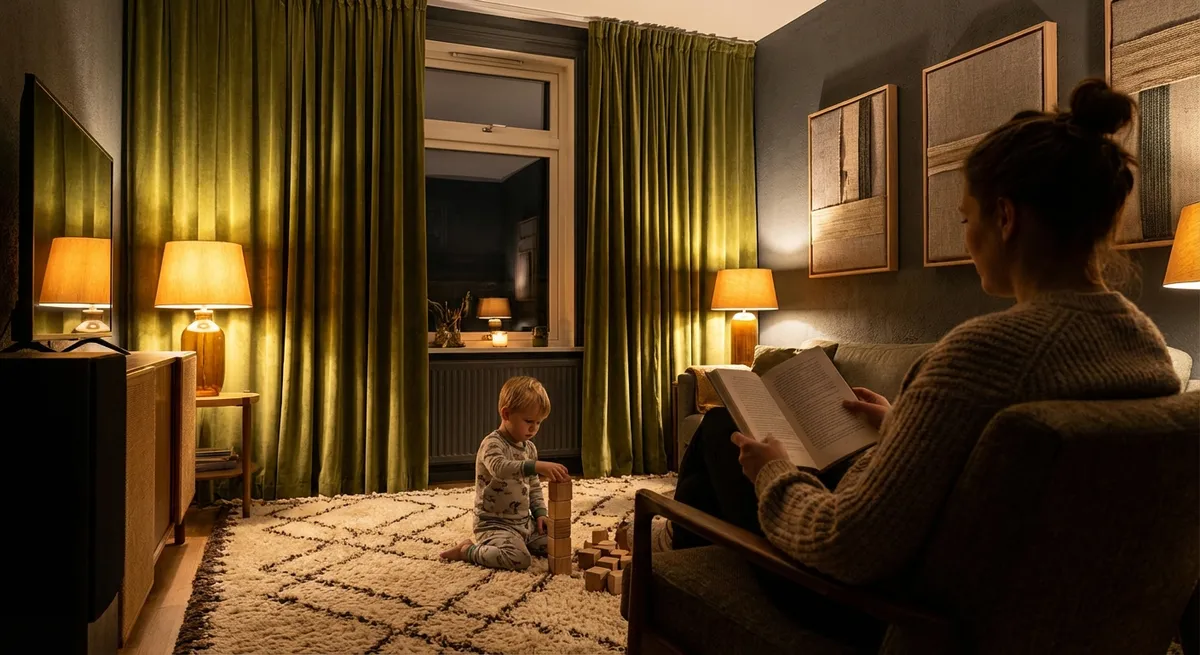
- Choose heavier fabrics (velvet, lined cotton, thick linen blends) over thin, single‑layer synthetics for rooms where noise bothers you most.
- Look for “thermal” or “insulated” curtains, even if you’re buying them for sound. The same extra lining that traps heat can help reduce noise.
- Layer curtains over blinds or shades to create multiple barriers. A cellular (honeycomb) shade plus heavy drape can be far more effective together than either alone.
- Size them generously: Curtains that go from above the window to floor level and extend wider than the frame help block sound leakage around the edges.
- If replacement windows are in your budget, compare not only energy ratings but also noise‑reduction features (labels may mention “STC” or “sound control” glass).
For renters, good curtains are a rare home purchase that improves both comfort and resale value if you move them to your next place.
3. Upgrade Doors and Seals Before Buying Complex “Soundproofing” Gear
Doors often get neglected, yet they’re a major pathway for sound between rooms and from hallways. Instead of buying expensive acoustic panels right away, you can get surprising gains from simple, relatively low‑cost changes.
Smart buying tips:
- Check what kind of door you already have. Many interior doors are hollow‑core (light and cheap but poor at blocking sound). Where privacy matters—bedrooms, home office, bathroom—consider upgrading to a solid‑core door when you’re ready to invest.
- Install weatherstripping or door seals around the sides and top. Even a small gap can let a lot of sound through.
- Add a door sweep or automatic door bottom to close the gap at the floor, especially for rooms near busy common areas.
- Use door draft stoppers as a budget‑friendly, renter‑friendly shortcut if you can’t alter the door permanently.
- Avoid overpaying for “acoustic” doors unless you have a specialized need (like a music studio). A standard solid‑core door plus good seals will be enough for most homes.
Tackling doors first can reduce noise between rooms so effectively that you may decide you don’t need pricier soundproofing products at all.
4. Let Furniture and Décor Do Double Duty as Sound Absorbers
You don’t need your home to look like a recording studio to improve how it sounds. Many everyday furnishings are naturally sound‑friendly—if you know what to prioritize.
Smart buying tips:
- Choose upholstered furniture with fabric over leather in echo‑prone rooms. Fabric tends to absorb more sound, while smooth leather and faux leather reflect it.
- Bookcases and shelving units along shared walls can help buffer neighbor noise—especially if they’re filled with books, baskets, or textiles.
- Opt for soft wall décor (fabric wall hangings, cork boards, upholstered headboards, acoustic art panels) instead of only glass or metal artwork in noisy rooms.
- Place large pieces thoughtfully: A tall bookshelf or wardrobe against a shared wall can be more cost‑effective than specialty sound‑blocking products.
- For home offices, consider a fabric desk chair, a small rug under the chair, and a soft pinboard—these reduce echo on calls without making your space look “technical.”
This approach lets you stretch your budget by choosing items that solve multiple problems: style, storage, and sound comfort.
5. Test Before You Commit: Small Purchases, Big Clues
The most expensive sound‑control products aren’t always the most effective for your specific space. It’s smarter to treat your first purchases as tests rather than final solutions, especially if you’re working within a tighter budget.
Smart buying tips:
- Start with one or two items in a single room—for example, a thick rug and curtains in the living room—and notice how much they change the space over a week.
- Compare impact at different times of day: morning traffic, evening TV, kids’ bedtime, work calls. This helps you see if you need further upgrades.
- Buy from retailers with clear return policies if you’re trying specialty items like acoustic panels, so you’re not stuck if they don’t deliver.
- Use free tools to measure difference: simple decibel meter apps can show before/after noise levels and help you decide if another investment is worth it.
- Avoid buying multiple “sound solutions” at once (earplugs, white noise machines, panels, new windows, etc.). Layer upgrades gradually so you can tell which ones truly help.
By testing in stages, you reduce the risk of impulse purchases and can direct your budget toward the changes that actually improve daily life—not just what looks convincing in marketing photos.
Conclusion
A calmer home doesn’t have to mean a complete remodel or expensive “studio‑grade” products. When you treat sound comfort as a buying factor—alongside price, look, and durability—you can choose rugs, curtains, doors, furniture, and décor that quietly work harder for you. Start with your noisiest room, make one or two focused upgrades, and pay attention to how it feels to live there for a week. Over time, these quiet, targeted purchases can turn a loud, tiring home into a place that genuinely helps you rest, think, and enjoy your time inside.
Sources
- World Health Organization – Environmental Noise Guidelines - Overview of how environmental noise affects health and well‑being
- U.S. Department of Energy – Energy Saver: Insulated Window Treatments - Explains how insulated curtains and shades work, including side benefits like noise reduction
- U.S. General Services Administration – Sound Matters: How Acoustics Affect Workplace Productivity - Discusses how sound and acoustics influence comfort and productivity in interior spaces
- University of Rochester – How Noise Affects the Brain - Describes how loud or persistent noise impacts stress and mental function
- National Institutes of Health – Environmental Noise and Health - Research review on the health effects of environmental noise exposure
Key Takeaway
The most important thing to remember from this article is that this information can change how you think about Home & Garden.