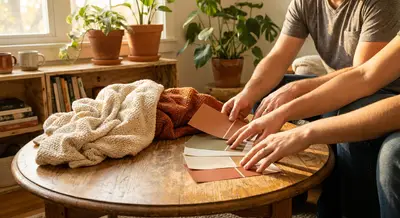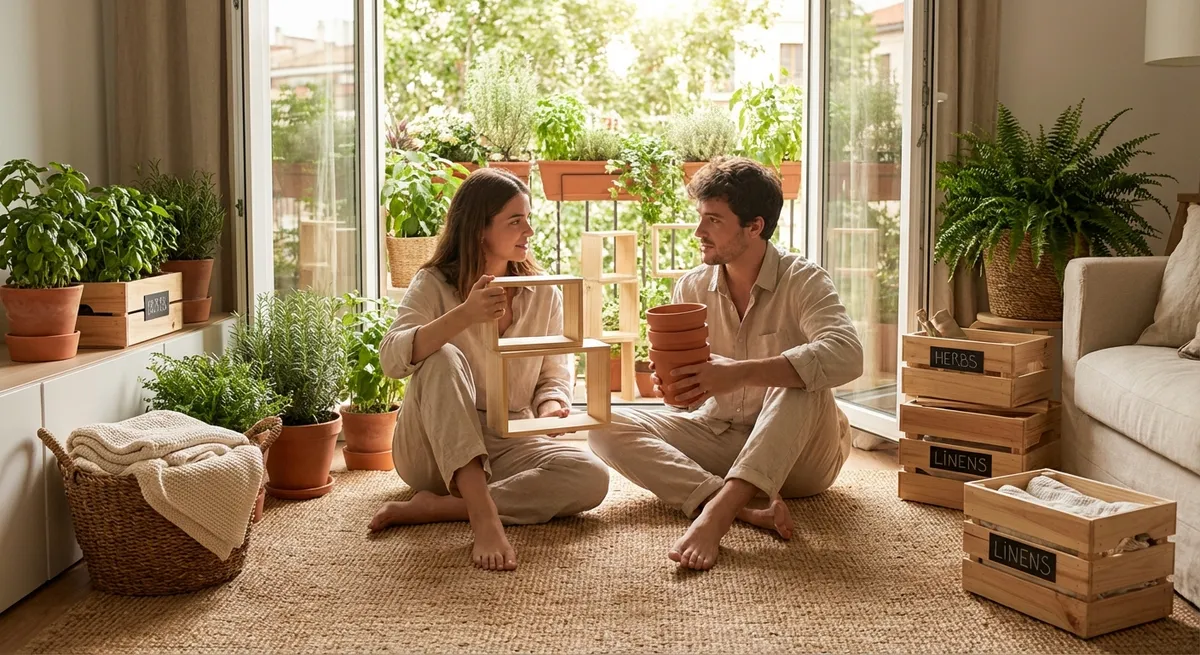
Creating a home that feels good to live in isn’t just about what looks nice on a screen. It’s about choosing furniture, tools, and decor that actually work for your space, your climate, and your real daily habits. With endless options online and in stores, it’s easy to overspend on items that don’t last, don’t fit, or don’t perform as promised. This guide walks through how to think like a smart, long-term buyer so you end up with a home and garden you enjoy year after year—not just on delivery day.
Start With the Room, Not the Product
Many home and garden purchases disappoint because they’re made around a product you fell in love with, not the space you actually have.
Before you click “buy,” measure everything—wall lengths, door widths, window heights, ceiling height, and the depth of stairways and hallways. Map the main traffic paths in a room so you know how much clearance you truly need around sofas, tables, and storage pieces. For gardens and outdoor areas, sketch sun exposure (morning, midday, afternoon) and note drainage spots, wind patterns, and any shade from trees or neighboring buildings.
Then ask how this product fits into the real way you use the space. If you host often, a durable, stain-resistant sofa or large extendable dining table may matter more than a delicate accent chair. If you mostly work from home at the kitchen table, lighting and a good chair could be more important than decorative bar stools. Matching purchases to room function dramatically cuts regret and returns.
Practical tip #1: Use painter’s tape to “mock up” dimensions. Tape out the footprint of a sofa, bed, or raised garden bed on the floor or lawn. Live with it for a day or two to test how it affects movement, doors, and sightlines before you commit.
Look Beyond Style to Materials and Maintenance
Pretty photos rarely show how a couch sags after a year, or how a planter cracks after one winter. Materials and build quality are what determine whether your purchase feels smart a few seasons from now.
For indoor furniture, look at frame materials (solid wood or quality metal vs. flimsy particle board), joinery (screwed, doweled, or dovetail joints vs. only staples and glue), and fabric content. Natural fibers like cotton and linen breathe well but stain more easily; performance fabrics and tightly woven synthetics often resist spills and fading better in high-use areas. For rugs, check pile height and fiber—low to medium piles in durable fibers like wool or polypropylene are easier to keep clean in busy areas.
Outdoors, weather resistance becomes critical. Look for powder‑coated metal, teak or other naturally rot‑resistant woods, and outdoor‑rated fabrics that resist UV fading and mildew. Cheap plastics can become brittle in sun or cold. Garden tools made of stainless steel or forged steel with solid handles will generally outlast budget options that bend or rust quickly.
Practical tip #2: Check the care instructions before you buy. If the cleaning or maintenance routine is more than you’ll realistically do (hand‑washing covers, oiling wood weekly, special cleaners), choose lower‑maintenance materials that match your lifestyle.
Read Reviews Like a Detective, Not a Fan
Customer reviews can be a powerful tool, but only if you know what to look for. Instead of focusing on stars alone, dig into patterns in what people say.
Scan the 3‑star and 2‑star reviews first; these often highlight real trade‑offs rather than emotional extremes. Note any repeated mentions about assembly difficulty, wobbling, color differences, or premature wear. For garden products, look for feedback about performance in different climates, how plants handled heat or frost, or whether irrigation systems leaked or clogged.
Filter reviews by “most recent” to see whether quality has changed over time—sometimes a brand quietly switches manufacturers. Pay special attention to photos from real buyers; they’re a better guide to color, texture, and scale than polished product shots. If reviews mention strong chemical odors or repeated safety issues (tipping furniture, overheating equipment), that’s a strong signal to reconsider.
Practical tip #3: Sort by “lowest rating” and scan for consistent issues. One or two bad experiences may be outliers. If many people complain about the same flaw—broken parts, peeling finish, mold on arrival—it’s a real risk, even if the overall rating looks good.
Plan Purchases Around Seasons and Utility
Home and garden prices often swing with the seasons, and so does product quality in stores. Timing your purchases can save money and help you get better‑performing items.
Outdoor furniture, grills, planters, and garden tools are usually cheapest at the end of the season, when retailers clear space for new inventory. Bedding, mattresses, and major appliances often drop during holiday sales and specific yearly events. For live plants, buying at the peak of demand might give you more selection, but buying perennials or trees slightly off‑peak can be more budget‑friendly, if you’re prepared to care for them properly.
Utility matters just as much as timing. Ask whether you’re solving a frequent annoyance or an occasional wish. A programmable thermostat, a better hose nozzle, or a high‑quality air purifier might improve daily comfort more than an extra decorative piece. In the garden, drip irrigation or a simple timer can save both water and time, making it easier to keep plants healthy through heat waves or busy weeks.
Practical tip #4: Make a “problem list” before a “shopping list.” Walk through your home and yard and write down what actually bothers you (poor lighting, clutter, hard‑to‑clean floors, dead lawn spots). Prioritize purchases that directly fix those issues instead of impulse buys.
Test Versatility Before You Commit
The smartest home and garden buys usually serve more than one purpose or adapt as your life changes. A bench with hidden storage, modular shelving that can be reconfigured, or a neutral outdoor rug that works on a balcony now and a deck later will give you more value per dollar.
Think about what would happen if you moved, added a pet, had kids, or started working from home more often. Could this item be repurposed—from bedroom to office, patio to small yard, or nursery to guest room? In the garden, consider plants and features that serve multiple roles: herbs that are both ornamental and edible, shrubs that provide privacy and habitat for pollinators, or raised beds that can be covered to extend the growing season.
Versatility also means compatibility with what you already own. Choose finishes, colors, and scales that can mix with future finds rather than locking you into a narrow style. That way, you can update your space gradually without replacing big pieces.
Practical tip #5: Ask “How many ways can I use this?” If you can’t come up with at least two or three scenarios or locations where the item would still make sense, it may be too specialized for the price or space it takes.
Conclusion
A comfortable, functional home and thriving garden don’t come from buying more—they come from buying better. When you start with your space and habits, pay attention to materials and maintenance, read reviews critically, time your purchases, and favor versatile items, you dramatically increase the odds that what you bring home will earn its place. Over time, those smarter decisions add up to rooms that feel calm instead of cluttered, and outdoor spaces that are enjoyable instead of demanding. With a little planning and a clear eye, every purchase can move your home and garden closer to how you actually want to live.
Sources
- U.S. Department of Energy – Lighting Choices to Save You Money – Guidance on efficient lighting, useful when choosing fixtures and bulbs for home comfort and cost savings
- Consumer Reports – How to Buy Outdoor Furniture – Independent advice on materials, durability, and what to look for in patio sets
- University of Illinois Extension – Right Plant, Right Place – Explains how matching plants to site conditions improves garden success
- Mayo Clinic – Indoor Air Quality: Why It Matters – Background on indoor air and why some home purchases (like air purifiers and low‑VOC materials) matter for health
- Royal Horticultural Society (RHS) – Gardening in a Changing Climate – Practical garden guidance to help choose resilient plants and approaches for long‑term success
Key Takeaway
The most important thing to remember from this article is that this information can change how you think about Home & Garden.