
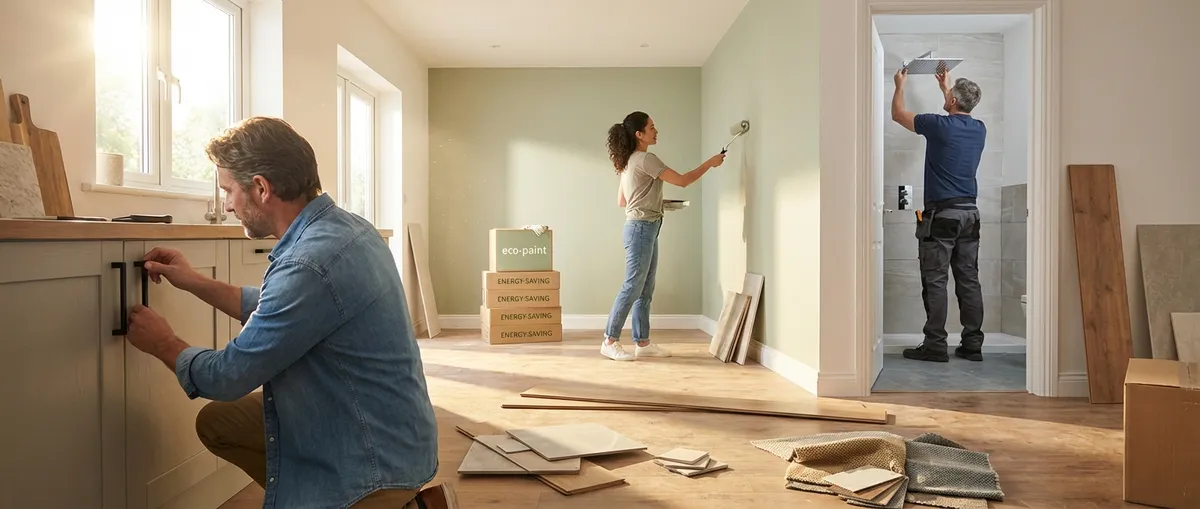
Refreshing your home can easily turn into a money pit—unless you approach every purchase like a small investment. Instead of chasing trends or impulse buys, you can build a home that’s comfortable, efficient, and easier to maintain by choosing upgrades that genuinely earn their keep. This guide walks you through practical, purchase-smart ways to improve your space, with five concrete tips to keep your budget and long-term value in focus.
Start With Problems, Not Products
Before buying anything for your home or garden, define the problem you’re trying to solve. A purchase that looks “nice to have” in a store or on social media may not move the needle on comfort, safety, or energy costs once it’s in your house.
Walk through your home with a notepad and list specific pain points: a too-hot bedroom, a dark hallway, a cluttered entryway, a patchy lawn, or high utility bills. Prioritize what affects your daily life the most. For example, if your energy bills are high and your home is drafty, weatherstripping, insulation, or smart thermostats might deliver more value than new décor. In the garden, poor drainage or soil quality may need fixing before you spend on plants or furniture. By anchoring every purchase to a specific issue, you’re less likely to overbuy and more likely to choose items that change how your home actually feels and functions.
Tip 1: Favor Energy-Efficient Upgrades Over Fast Décor Fixes
Energy-related purchases can quietly pay you back month after month, while purely cosmetic buys often lose appeal quickly. When a major appliance or system needs replacing—fridge, washer, water heater, HVAC—look for models with strong energy-efficiency ratings rather than just the lowest price.
Check labels like ENERGY STAR and compare expected yearly energy use, not just the purchase cost. An efficient refrigerator or heat pump might be more expensive upfront but can cut utility bills for a decade or more. The same logic applies to LED bulbs, insulated curtains, smart thermostats, and weatherstripping around doors and windows. In the garden, consider drip irrigation or smart watering controllers instead of relying on manual watering or wasteful sprinklers. These choices reduce costs, protect the environment, and often increase comfort (more stable temperatures, better lighting, healthier plants) in ways that decorative quick fixes can’t match.
Tip 2: Choose Materials That Match Your Lifestyle, Not Just Trends
Durability is one of the most overlooked parts of smart home and garden buying. A great-looking sofa fabric that stains easily, or a beautiful patio surface that cracks in your local climate, can end up costing more in replacements and repairs than a slightly more expensive, tougher option.
Before you commit to flooring, countertops, outdoor furniture, or textiles, think realistically about pets, kids, entertaining, and how much time you want to spend on upkeep. For interiors, look into stain-resistant fabrics, washable slipcovers, and scratch-resistant flooring if you have busy households. In kitchens and baths, compare the maintenance needs of materials like granite, quartz, laminate, or butcher block. Outside, select weather-resistant, UV-stable materials for furniture and decking that match your climate—humid, hot, snowy, or coastal. Ask for wear ratings, warranties, and care instructions before purchasing. When you align materials with daily life instead of just aesthetics, you reduce regret purchases and long-term maintenance headaches.
Tip 3: Measure First, Then Plan Purchases for Flow
One of the easiest ways to waste money is buying furniture or garden pieces that don’t fit your space or disrupt how you move through it. Oversized sectionals, dining tables that block doorways, or planters that crowd pathways can make your home less usable, no matter how nice they look.
Before adding large items, measure your room or outdoor area carefully: length, width, ceiling height, window and door locations, and any architectural features. Sketch a simple floor plan on paper or use a free online room planner to test different layouts. In the garden, map out sun and shade spots, existing trees, utilities, and walkways. This planning lets you see where you actually need seating, storage, or lighting, and may reveal that one well-chosen piece works better than several smaller, impulse buys. Smart measuring and planning prevent returns, reduce clutter, and help ensure every purchase supports how you live and move rather than just filling space.
Tip 4: Buy Modular and Multi-Purpose When Possible
Flexible, multi-use pieces save money and adapt with you as your needs change. Instead of buying single-purpose items for every corner, look for modular or convertible solutions that can be rearranged or repurposed.
Indoors, consider shelving systems you can expand over time, storage ottomans that double as seating, or a dining table with leaves that extend for guests. In bedrooms or home offices, look for desks with built-in storage or murphy beds and daybeds if space is tight. In the garden, modular planters, sectional outdoor seating, or foldable furniture can be rearranged for different seasons or gatherings. These kinds of purchases are easier to take with you if you move and reduce the temptation to replace everything when your style or space changes. Over years, buying fewer, more adaptable pieces often costs less than repeatedly purchasing specialized items that quickly feel outgrown.
Tip 5: Compare Total Cost of Ownership, Not Just Price Tags
For many home and garden products, the initial price is only part of the story. A cheaper lawn mower that needs frequent repairs, a bargain grill that rusts in two seasons, or low-cost paint that needs constant touch-ups can quickly erase any upfront savings.
Before you buy, consider the total cost of ownership: purchase price, expected lifespan, energy or water usage, replacement parts, maintenance, and any required accessories. Read product manuals and warranty details, and scan customer reviews for patterns about durability, noise, or repair issues. For outdoor items, factor in covers, winter storage, and any seasonal upkeep. For indoor items, consider cleaning supplies, filter replacements, or service calls. Sometimes spending a bit more on a well-reviewed, repairable product with a solid warranty is the smarter financial move. Thinking in terms of cost over years—not just at checkout—helps you avoid false bargains and prioritize true value.
Build a Home That Works Harder for You
Every home and garden purchase is an opportunity to make your space more comfortable, efficient, and enjoyable—or to add clutter and ongoing costs. When you start with real problems, prioritize efficiency, match materials to your lifestyle, plan for flow, and think in terms of total ownership cost, your buying decisions become clearer and more confident.
Instead of rushing into the latest trend, you’ll be able to say “no” to items that don’t earn their place and “yes” to upgrades that genuinely improve how you live. Over time, those smarter choices add up to a home that feels put-together and welcoming—without overspending or constant do-overs.
Sources
- ENERGY STAR – Products & Savings - Official U.S. government-backed program explaining energy-efficient products and estimated savings
- U.S. Department of Energy – Energy Saver - Guidance on home energy efficiency, including appliances, lighting, and insulation
- Consumer Reports – Home & Garden - Independent product testing and reliability information for home and garden items
- University of Minnesota Extension – Yard & Garden - Research-based advice on landscaping, plant selection, and outdoor care
- Federal Trade Commission – Shopping for Home Appliances - Tips on comparing costs, warranties, and energy use when buying household appliances
Key Takeaway
The most important thing to remember from this article is that this information can change how you think about Home & Garden.