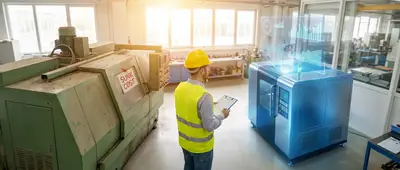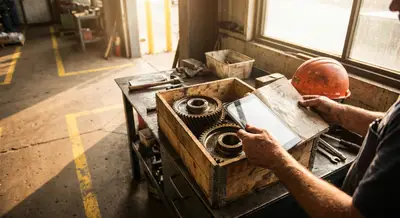

When your business buys equipment, tools, or industrial supplies, a single bad decision can drain budgets, slow down operations, and lock you into contracts you regret. Unlike personal shopping, business and industrial purchases affect productivity, safety, and long-term competitiveness. This guide walks through how to think like a strategic buyer, not just a bargain hunter, and includes five practical tips to help you make smarter decisions before you sign the PO.
Understanding Total Cost, Not Just the Price Tag
In business and industrial purchasing, the sticker price is only the starting point. What really matters is the total cost of ownership (TCO): everything you’ll spend over the life of the product or service. That can include installation, training, maintenance, energy usage, downtime, repairs, spare parts, software licenses, and even disposal costs. A cheaper piece of machinery might cost far more in frequent breakdowns and wasted operator time than a higher-quality alternative. Similarly, “free” vendor training that requires travel and lost work hours isn’t really free. Smart buyers build a simple TCO comparison for major purchases, so decision-makers can see the true financial impact over 3–10 years, not just this quarter.
Evaluating Vendors Beyond the Sales Pitch
A reliable vendor can be as valuable as the product itself. In industrial contexts, delayed shipments or poor support can halt production and erode customer trust. Instead of focusing only on discounts or promotions, look closely at delivery performance, warranty terms, support response times, and parts availability. Ask for data on on-time delivery rates and typical lead times. Check whether the vendor offers clear escalation paths if equipment fails at a critical moment. Look for evidence of financial stability and a track record with businesses similar to yours. Long-term vendor relationships that are transparent and responsive can save you more than the biggest one-time discount.
Balancing Standardization and Flexibility
Standardizing equipment, tools, and consumables across your operations can reduce training time, simplify maintenance, and cut inventory costs. Using the same models and brands across locations makes it easier to swap parts, share expertise, and negotiate better pricing. However, strict standardization can backfire if it limits your ability to adapt to new technologies or specific operational needs. Before locking into any single platform or vendor ecosystem, verify that it supports open standards, has multiple compatible suppliers, and won’t trap you into expensive proprietary add-ons. Smart purchasing policies balance the efficiencies of standardization with enough flexibility to upgrade or diversify when the business changes.
Five Practical Tips for Smart Business & Industrial Purchasing
Practical, repeatable steps can help your team consistently make better buying decisions, even under time pressure or budget constraints. Use these five tips as a checklist whenever you’re evaluating a new supplier, tool, or piece of equipment.
1. Involve the People Who Will Actually Use the Product
End-users often see risks and opportunities that executives and purchasing teams miss. A maintenance technician may know that certain brands fail more often in your environment, or that a slightly different configuration would cut service time in half. Machine operators might flag safety concerns or usability issues that can cause delays and errors. Bring representatives from operations, maintenance, safety, and IT (for connected equipment) into the selection process early. Their input can prevent expensive rework, underused equipment, and hidden training costs later.
2. Pilot Before You Commit to a Full Rollout
Whenever possible, test new equipment or suppliers in a controlled pilot rather than committing to a full facility-wide deployment. A small trial—whether it’s a single machine, a limited quantity of consumables, or a local service contract—lets you confirm performance, compatibility, and real-world costs. Track metrics like uptime, defect rates, operator satisfaction, and support responsiveness during the pilot. Use this data to refine your specifications and negotiate terms. Pilots can also reveal hidden integration challenges with your existing systems or processes before you’re heavily invested.
3. Build Negotiation Power with Data, Not Just Discounts
Negotiation is more effective when you base requests on clear data instead of vague demands for a “better price.” Collect benchmark quotes from multiple suppliers, historical spending data, and usage projections. Show vendors how consolidating certain categories or committing to longer-term volumes could justify improved pricing or better service terms. Ask for value-adds that may matter more operationally than a small price cut, such as stocked consignment inventory, faster lead times, extended warranties, or on-site training. This approach aligns your goals with the vendor’s business model and often leads to more sustainable savings than one-time promotions.
4. Factor in Safety, Compliance, and Sustainability
Cutting corners on safety or compliance may reduce today’s invoice but create huge liabilities tomorrow. Ensure that equipment, PPE, and industrial materials meet relevant standards and regulations in your region and industry. Verify certifications and documentation, and confirm that vendors can support audits or inspections if needed. Likewise, energy-efficient machines or low-waste processes often repay slightly higher upfront costs through reduced utility bills, fewer disposals, and easier regulatory compliance. Including safety and environmental performance in your purchasing criteria protects your workforce, your brand, and your long-term budget.
5. Document Specs and Decisions for Future Purchases
Ad hoc buying leads to inconsistent quality and missed savings. Every sizable purchase should leave behind clear documentation: technical specifications, evaluation criteria, cost comparisons, key contract terms, and post-purchase performance notes. This creates a reference for your next buying cycle, helping you improve requirements and avoid repeating mistakes. Standardized specs also make it easier to open purchases to competitive bids without sacrificing quality. Over time, this documentation becomes a valuable internal knowledge base, especially as staff turnover or your business expands into new sites.
Using Technology and Data to Improve Purchasing Decisions
Digital tools are reshaping how businesses buy industrial and commercial products. E-procurement platforms, supplier portals, and integrated ERP systems can centralize catalogs, automate approvals, and track spending by category or department. Analytics can highlight which items are frequently expedited (a sign of poor planning), where inventory sits unused, or which suppliers consistently miss delivery targets. For connected equipment, sensor data and predictive maintenance systems can show which machines or brands actually deliver lower downtime and energy costs. Even simple steps—like comparing online industrial marketplaces with traditional distributors—can uncover better options or negotiate leverage. The key is to treat purchasing as a data-driven process, not just paperwork.
Building Long-Term Value Into Every Purchase
The most effective industrial buyers don’t chase the lowest price; they design purchases that strengthen the business years into the future. That means choosing vendors who can grow with you, specifying products that are maintainable and upgradable, and continuously learning from each procurement cycle. By looking beyond the quote to total cost, performance, and risk, you protect both your operations and your bottom line. Each smart purchase compounds over time—creating more reliable production, safer workplaces, and a healthier cash flow that you can reinvest where it matters most.
Sources
- U.S. General Services Administration – Total Cost of Ownership - Overview of TCO concepts and how to factor lifecycle costs into purchasing decisions
- Harvard Business Review – A Step-by-Step Guide to Smart Business Experiments - Useful framework for piloting and testing changes before large-scale rollouts
- OSHA – Small Business Safety and Health Handbook - Guidance on integrating safety and compliance into workplace decisions, including equipment and PPE purchasing
- U.S. Department of Energy – Energy-Efficient Products - Information on energy-efficient equipment and how efficiency impacts long-term operating costs
- CIPS (Chartered Institute of Procurement & Supply) – What is E-Procurement? - Background on e-procurement and how digital tools can improve purchasing performance
Key Takeaway
The most important thing to remember from this article is that following these steps can lead to great results.