
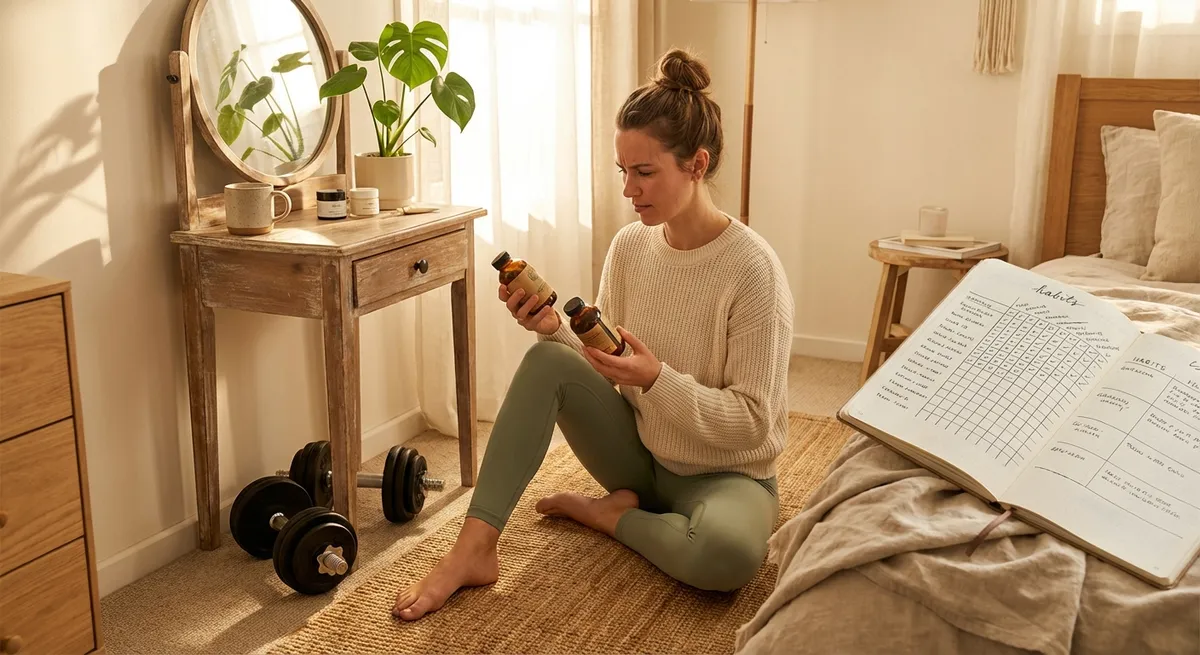
When you’re trying to look and feel your best, the options are endless—and so is the marketing. From “miracle” serums to “game‑changing” workout gear, it’s easy to overspend on things that don’t deliver. The good news: a strong beauty and fitness routine doesn’t have to be expensive or complicated. By learning what really matters (and what’s just hype), you can invest in fewer, better products that support your goals and protect your budget.
Start With Your Goals, Not the Product Hype
Before you click “add to cart,” get clear on what you actually want to improve. Do you need a simpler skincare routine for sensitive skin, or are you focused on reducing fine lines? Are you trying to build strength, improve mobility, or just move more during the week? When you define your goals first, you can screen out products and services that don’t directly support them.
Write down 1–3 specific, realistic goals (for example, “walk 7,000 steps most days” or “reduce breakouts without drying my skin”). Use these as a filter: if a purchase doesn’t help you move toward a listed goal, it’s a “nice to have,” not a “need.” This simple step prevents impulse buys driven by trends and TikTok recommendations that aren’t a fit for your lifestyle, body, or budget.
Tip 1: Build a Core Routine Before Adding “Extras”
In both beauty and fitness, the basics do most of the work. Marketing often pushes complicated routines and advanced tools, but most people get better results by doing simple things consistently. For skincare, dermatologists generally agree that a gentle cleanser, moisturizer, and daily sunscreen form the foundation. In fitness, a mix of regular movement, strength work, and adequate recovery covers the essentials better than a drawer full of gadgets.
When shopping, spend the bulk of your budget on these core items and services instead of fringe products. For beauty, that might mean a fragrance‑free moisturizer that suits your skin type and a broad‑spectrum SPF you’ll actually wear every day. For fitness, it could mean comfortable shoes, a supportive sports bra, and perhaps a basic set of resistance bands or dumbbells. Once your core routine is in place and you’ve used it consistently for a few months, then you can evaluate whether any “add‑on” products are truly necessary.
Tip 2: Read Ingredient Lists and Claims Like a Skeptic
Beauty and wellness marketing is packed with buzzwords—“clean,” “detox,” “medical‑grade,” “firming,” and “fat‑burning”—that often aren’t regulated or clearly defined. Instead of relying on front‑of‑package claims, flip the product over and look at the ingredient list or technical details. In skincare, active ingredients like retinoids, vitamin C, niacinamide, and salicylic acid have far more research behind them than many trendy plant extracts, and they often appear in affordable, drugstore‑level products.
For supplements, “natural” does not automatically mean safe or effective. Many fitness or “beauty from within” supplements are poorly regulated and may not contain what they claim in the dosages advertised. Before buying, check whether there’s any solid research behind the main ingredient, and look for third‑party testing seals when possible. With workout gear, scrutinize performance claims—ask whether the feature actually changes your training or just adds cost. A more expensive yoga mat or pair of leggings doesn’t automatically make your workouts better.
Tip 3: Prioritize Fit, Comfort, and Consistency Over Aesthetics
The best fitness gear is the one you’ll actually use regularly. A modestly priced pair of running shoes that fits your foot shape and feels supportive will always outperform trend‑driven sneakers that cause blisters or joint pain. Similarly, a midrange sports bra that keeps you comfortable during exercise is a better investment than a designer option that looks good but fails on support. Poor fit can lead to discomfort and even injury, which can sideline your progress and cost you more in the long run.
In beauty, “skin feel” and texture matter more than we tend to admit. A sunscreen that leaves a heavy white cast or a moisturizer that feels greasy will end up sitting unused on your shelf, no matter how impressive the ingredient list is. Whenever possible, try travel sizes, sample sets, or tester programs before committing to a full‑size product. If you consistently reach for a particular item because it feels good and fits seamlessly into your routine, that’s a strong sign it’s worth repurchasing, even if it’s not the cheapest option on paper.
Tip 4: Compare Long‑Term Value, Not Just Upfront Price
Low upfront prices can be tempting, but long‑term value often matters more. For example, a $20 pair of leggings that loses shape after a few washes and needs replacing every few months may ultimately cost more than a $50 pair that lasts for years. The same is true for skincare devices or at‑home tools: a slightly higher‑priced item with reliable performance and a good warranty can be more economical than repeatedly buying cheaper versions that break or don’t work well.
When considering services like gym memberships, fitness apps, or boutique workout classes, calculate the likely cost per use. A budget gym membership is only a bargain if you actually go regularly; a slightly pricier studio that you love and attend three times a week may work out cheaper per session than a cheaper gym you avoid. For beauty services (like facials, hair treatments, or professional skincare), compare how long results typically last and whether you can stretch the time between appointments with good at‑home care.
Tip 5: Use Professional Guidance Strategically Instead of Guessing
A single targeted session with a qualified professional can sometimes save you hundreds of dollars in “trial and error” purchases. For fitness, an introductory session with a certified personal trainer can help you learn proper form, design a realistic plan, and understand what kind of equipment you actually need (and what you don’t). This can prevent injuries and reduce spending on random gear or programs that aren’t suited to your goals or fitness level.
In beauty and skincare, a consultation with a board‑certified dermatologist or licensed skincare professional can help you identify your skin type, specific concerns, and ingredients to seek out or avoid. Armed with this information, you can shop more confidently, focus on targeted products, and skip the endless rotation of “maybe this will work” purchases. When budgets are tight, look for short consultations, telehealth options, or community clinics that offer lower‑cost visits—one good assessment is often worth more than a bathroom full of unused products.
Conclusion
Looking and feeling your best doesn’t require chasing every new trend or filling your cart with expensive promises. By grounding your choices in clear goals, a solid core routine, and a critical eye for marketing claims, you can build a beauty and fitness setup that works for both your body and your budget. Focus on comfort, fit, and consistency, think in terms of long‑term value, and don’t be afraid to invest in a bit of expert advice when it can prevent costly missteps. Over time, you’ll end up with fewer, better products and habits that genuinely move you toward the results you care about most.
Sources
- American Academy of Dermatology – How to build a skin care routine - Guidance from board‑certified dermatologists on essential skincare steps and product choices
- Mayo Clinic – Exercise: 7 benefits of regular physical activity - Explains evidence‑based benefits of consistent movement for overall health
- U.S. Food & Drug Administration (FDA) – Dietary Supplements: What You Need to Know - Details on how supplements are regulated and what consumers should watch for
- Harvard T.H. Chan School of Public Health – Physical Activity Guidelines - Summarizes recommended activity levels and types of exercise for health
- Cleveland Clinic – How to Choose the Best Sunscreen - Provides expert advice on what matters in sunscreen selection and labeling
Key Takeaway
The most important thing to remember from this article is that this information can change how you think about Beauty & Fitness.