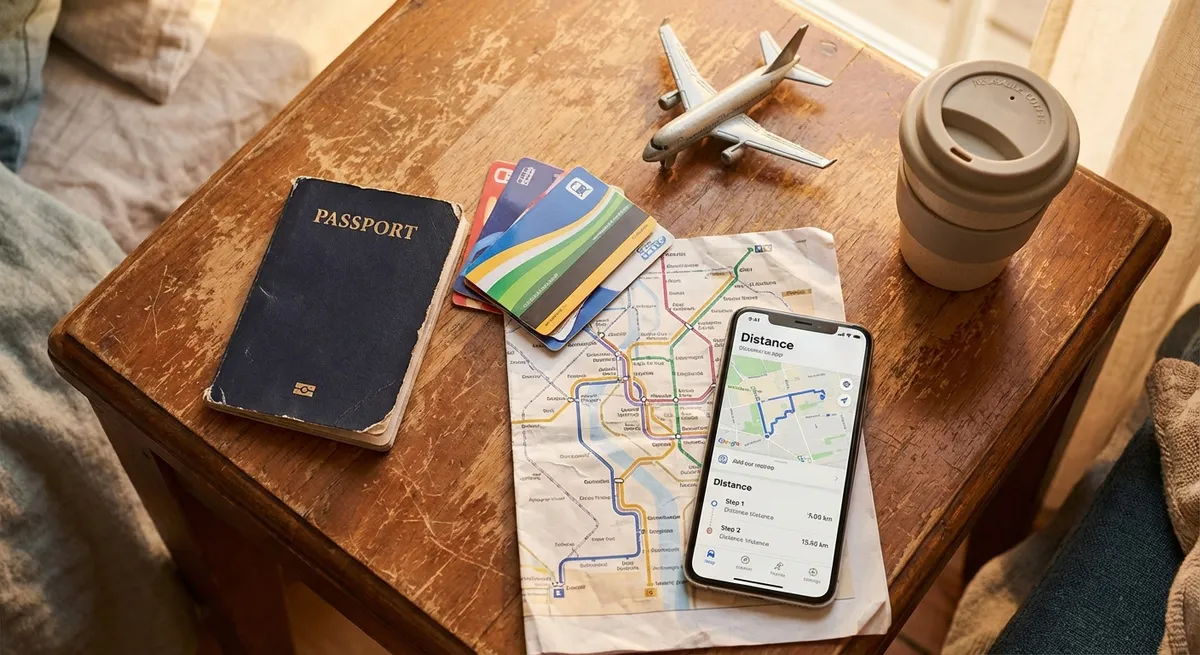
Travel can be one of the most rewarding ways to spend your money—and one of the easiest ways to overspend without noticing. Between flights, trains, rideshares, and rental cars, it’s easy to lose track of what’s genuinely valuable versus what just looks convenient in the moment. This guide walks you through how to think like a smart buyer when planning trips and choosing day-to-day transportation, with five practical tips to keep your spending intentional, not impulsive.
Know Your Real Travel Costs, Not Just the Ticket Price
A cheap fare isn’t always a cheap trip. Smart travelers look at the total door-to-door cost, not just the headline price on a booking site. That means factoring in airport transfers, baggage fees, seat selection charges, resort or service fees, parking, and even the cost of time off work if you’re taking extra travel days for a complicated itinerary.
When comparing options, start by listing every cost you can anticipate for each scenario: base ticket, bags, local transport, meals in transit, and any mandatory add‑ons. A budget airline flight plus a long airport transfer and multiple fees may end up more expensive than a slightly higher-priced ticket from a full-service carrier flying into a closer airport. The same logic applies to trains versus planes or rideshare versus rental cars—include tolls, fuel, insurance, or surge pricing in your comparison, not just the initial quote. Once you get used to thinking in “total trip cost,” suddenly a lot of “deals” stop looking like deals at all.
Tip 1: Compare Transportation Modes by Situation, Not Habit
Most people default to the mode of transport they’re used to—flying between cities, driving around town, or grabbing rideshares by reflex. That habit can quietly drain your budget. Instead, match the mode to the trip’s actual needs: distance, flexibility, time sensitivity, and how many people are traveling.
For short- to medium-distance routes, especially in regions with good rail infrastructure, trains or intercity buses can be cheaper, more comfortable, and faster door-to-door than flying once you account for airport security and transit time. In dense cities, a mix of public transport and occasional taxis or rideshares often beats renting a car when you consider parking fees and local driving stress. Conversely, for groups or families, renting a car can be far more economical than multiple individual tickets or rideshares. Building a simple comparison—total travel time, per-person cost, and flexibility (can you leave earlier or later easily?)—helps you break out of auto-pilot decisions and choose based on value rather than habit.
Tip 2: Treat Time as a Cost—and Put a Number on It
Travel decisions often get framed as “time vs. money,” but we rarely put a value on our time. Smart purchasing means being honest about what your time is worth to you, then using that as a benchmark. For example, if you decide an hour of your time is worth $20, a $30 savings that adds three hours to your journey might not actually be a “good deal” for your priorities.
When planning, compare options by total hours in transit, including getting to and from stations or airports, waiting time, and likely delays. Then compare that to the price difference. If a more expensive train saves you six hours over an overnight bus and costs $60 more, it effectively “buys back” those hours at $10 per hour—which may be a strong value if you’ll arrive rested and able to enjoy your destination. On the other hand, on purely recreational days with flexible schedules, you might deliberately opt for slower transport to save cash, especially if you can work, read, or relax en route. Explicitly putting a value on your time keeps you from being swayed purely by either the lowest price or the fastest option without context.
Tip 3: Use Loyalty and Credit Rewards Strategically, Not Emotionally
Loyalty programs and travel rewards cards can be powerful tools—or traps that push you to overpay just to “earn points.” The key is to treat points and miles as a bonus, not the goal. When comparing options, calculate whether a slightly more expensive ticket on your preferred airline is offset by the points, free bags, or priority access you’ll receive, and compare that to alternate carriers or modes without those benefits.
Before signing up for a travel credit card, look carefully at annual fees, foreign transaction fees, and the actual redemption value of points. Many issuers provide calculators or example redemptions—use these to estimate a realistic cents-per-point value instead of assuming all points are “free travel.” Also consider whether your typical travel patterns (domestic vs. international, budget vs. full-service airlines, peak vs. off-peak travel) align with the card’s sweet spots. A simple rule: don’t change your travel habits just to chase rewards. If a program or card fits how you already travel, it can meaningfully lower your long-term costs; if not, you risk paying more upfront for benefits you won’t truly use.
Tip 4: Factor in Flexibility and Change Policies Upfront
In a world of delays, cancellations, and shifting plans, flexibility is a real part of value—not an afterthought. Many budget fares offer low prices at the cost of strict change or cancellation policies, while more flexible tickets appear expensive until you factor in the risk of having to rebook. A smart buyer reads fare rules and considers the likelihood of needing changes before hitting purchase.
Compare “basic” versus “standard” or “flexible” fares by asking: How likely am I to change this? What would it cost me in fees or lost value if I had to cancel? For work trips or complex itineraries with multiple connections, a more flexible fare can be a form of insurance that saves money and stress if plans shift. If you’re booking far in advance—especially around holidays or unpredictable weather seasons—flexibility often becomes more valuable. For everyday transportation like commuter passes, look for options that allow pauses or refunds if your routine changes, rather than locking into the longest, cheapest commitment by default. The goal is to align flexibility with realistic risk, not just hope everything goes perfectly.
Tip 5: Think Beyond the Trip: Sustainability, Safety, and Long-Term Value
Smart travel and transportation purchases aren’t only about what’s cheapest today; they’re also about long-term value for your health, safety, and the environments you move through. Sometimes that means choosing transit options with better safety records, more transparent regulations, or lower emissions—even if they’re slightly more expensive on paper.
When possible, consider options with strong safety oversight and clear customer protections. For international travel, official rail operators, established bus companies, or well-reviewed local carriers often provide better reliability and accountability than the absolute cheapest alternative. Environmentally, trains and buses tend to have lower emissions per passenger than short-haul flights or solo driving, especially on frequently served routes. For daily transport, investing in a monthly transit pass, a quality bicycle, or a fuel-efficient car can create steady savings over time, both in direct costs and in reduced maintenance or fuel use. By weighing safety, sustainability, and reliability alongside price, you’re not just saving money—you’re investing in a travel ecosystem that will still work for you years from now.
Conclusion
Travel and transportation decisions are rarely just about the lowest fare or the fastest route. They’re a mix of money, time, risk, comfort, and values—and the smartest purchases come from seeing that whole picture, not just the bold numbers on a booking screen. By comparing modes based on your situation, putting a value on your time, using rewards programs deliberately, paying attention to flexibility, and considering long-term impacts, you transform travel from a constant source of financial surprises into a set of intentional choices. Over time, those choices don’t just make trips cheaper; they make them calmer, safer, and more aligned with the life you’re actually trying to build.
Sources
- U.S. Department of Transportation – Air Travel Consumer Reports - Provides data on delays, cancellations, and consumer issues to help evaluate reliability and value across airlines.
- U.S. Energy Information Administration – Transportation Energy Use - Explains energy consumption by different transport modes, useful for understanding long-term cost and environmental impacts.
- Amtrak – Train vs. Plane Comparison - Outlines time, comfort, and cost considerations when choosing rail over air for certain routes.
- Consumer Financial Protection Bureau – Credit Card Rewards Guide - Offers independent advice on using rewards cards without overspending or falling into common traps.
- International Transport Forum (OECD) – Carbon Footprint of Transport Modes - Provides research on emissions from different types of travel, helping consumers factor sustainability into purchasing decisions.
Key Takeaway
The most important thing to remember from this article is that this information can change how you think about Travel & Transportation.