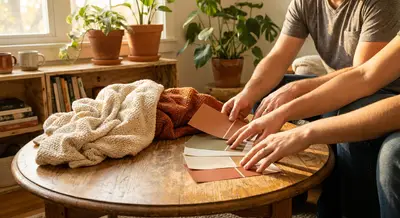
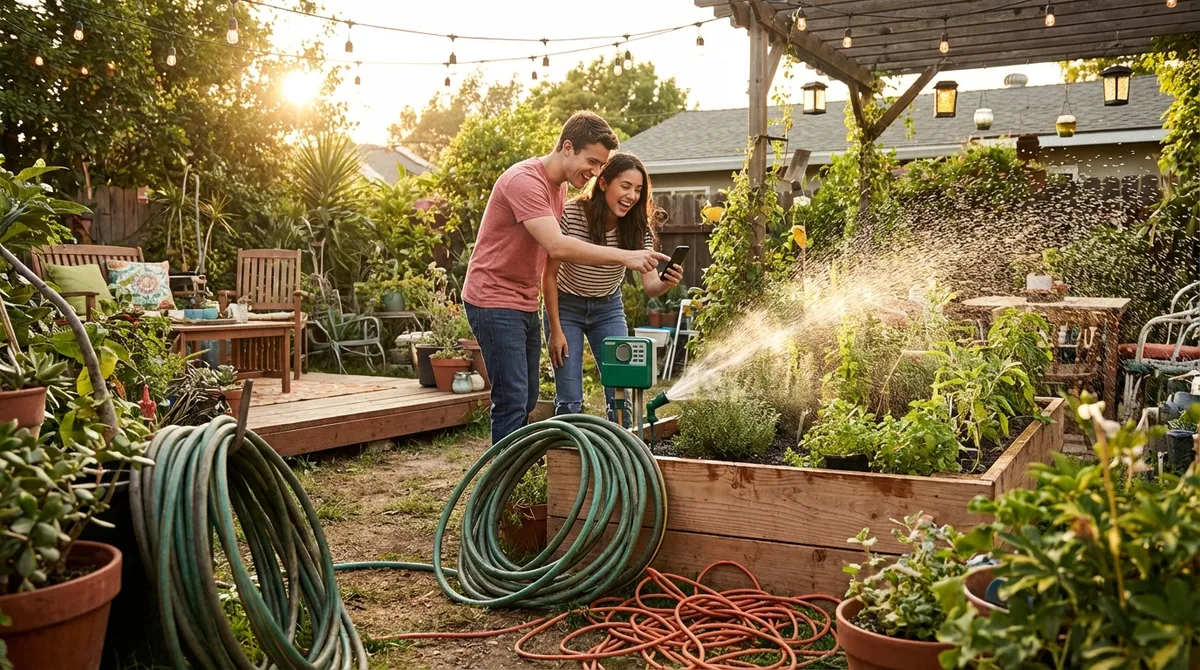
Creating a home you love doesn’t have to mean draining your budget or filling closets with regret purchases. The key is learning how to buy fewer, better items that actually fit your space, your climate, and your lifestyle. With a little strategy, you can avoid common pitfalls and end up with a home and garden that feel intentional instead of accidental.
This guide walks through five practical, consumer-focused tips to help you make smarter purchases for both indoors and outdoors—so every item you bring home earns its place.
Start With Your Real Space, Not the Catalog Version
Before you buy anything, anchor yourself in what you actually have, not what you wish you had.
Look closely at your rooms and outdoor areas in natural daylight and at night. Notice how you move through the space, where clutter piles up, and what already works well. Measure key spots: wall lengths, ceiling height, door widths, balcony depth, patio area, and any tight corners. Take photos on your phone so you can reference them when shopping.
For garden or patio purchases, check your orientation (north-, south-, east-, or west-facing) and how many hours of full sun different spots get. This will matter for plants, outdoor rugs, and furniture materials (for instance, some fabrics fade quickly in strong afternoon sun).
When shopping, compare every potential purchase against your actual measurements and photos. In-store items and online listings often look smaller or more “neutral” than they will in your home. If something requires you to “rearrange everything later” to make it work, that’s a red flag—it’s usually not the right fit.
Invest in Foundations First, Trends Second
It’s tempting to start with statement pieces and trendy decor, but the smartest spending order is:
- Function-critical items (mattress, sofa, dining chairs, outdoor seating).
- Supportive elements (lighting, storage, rugs).
- Accent and decorative pieces (pillows, art, seasonal decor, planters).
High-use items need to be comfortable, durable, and sized correctly. For example, a quality mattress and supportive office chair have more impact on your daily life than a designer lamp. In the garden, it’s better to spend on soil quality, irrigation, and sturdy tools before you splurge on rare plants or elaborate décor.
When you do buy trend-driven items, keep them small and easily replaceable. A neutral sofa paired with on-trend throw pillows or an outdoor table dressed up with colorful, inexpensive cushions lets you refresh the look without re-buying big-ticket pieces. This approach protects you from buyer’s remorse when styles inevitably change.
Read Beyond the Star Rating: How to Decode Reviews
Online reviews can be helpful, but only if you read them strategically.
Look for patterns instead of single extreme opinions. If multiple people complain that a sofa sags after six months, or that a garden hose kinks quickly, that’s meaningful. Check the dates: a sudden cluster of recent negative reviews can indicate a change in manufacturing or materials.
Pay special attention to:
- Photos from buyers: These show true colors, scale, and how items hold up over time.
- Usage context: If you’re in a hot, humid climate, prioritize reviews from similar regions when buying outdoor furniture or plants.
- Assembly and maintenance: If many reviewers mention confusing instructions or missing hardware, factor in your tolerance for DIY fixes.
Also, scan the 3-star reviews first—they’re often the most balanced, listing both pros and cons. For garden items like soil amendments, fertilizers, or pest controls, cross-check any bold claims with official or educational sources (university extension sites, government agencies) to avoid misleading or unsafe recommendations.
Match Materials to Your Climate and Lifestyle
The same product can be perfect in one home and a headache in another, simply because of mismatched materials.
Indoors, consider:
- Flooring and rugs: If you have pets or kids, look for stain-resistant, low-pile rugs that can be easily spot-cleaned. Avoid ultra-light fabrics in high-traffic areas unless they’re truly bleach-safe or washable.
- Upholstery: Performance fabrics (often polyester blends or treated natural fibers) resist stains and fading better. This matters if your furniture sits near windows or in sunny rooms.
- Finishes: Matte finishes hide fingerprints better than glossy ones, which can be a big deal for cabinets and tables in busy households.
Outdoors, think about:
- Moisture and sun exposure: Teak, powder-coated aluminum, and certain all-weather wicker materials handle sun and rain better than untreated wood or cheap plastics. In very hot climates, metal furniture can become too hot to use if it sits in direct sun.
- Wind: Lightweight folding chairs or umbrellas are convenient but may tip or break in windy areas; heavier bases and sturdier frames are worth the extra cost if gusts are common.
- Local plant suitability: Choose plants labeled as appropriate for your USDA Hardiness Zone (in the U.S.) or local climate zone. Plants that are not adapted to your region often need more water, more protection, and more replacements.
Ask yourself: “Will this material still look decent after one year of my actual life?” If the honest answer is no, it’s not a smart buy.
Plan Purchases Around Maintenance, Not Just the Price Tag
An item’s true cost includes what it takes to keep it useful and looking good.
Before buying, check:
- Care instructions: Do cushion covers zip off for washing, or are they spot-clean only? Does that beautiful wood table require special oil or sealant every year?
- Replacement parts and refills: For things like water filters, irrigation systems, or cordless tools, confirm how easy it is to get compatible filters, heads, or batteries. If replacements are expensive or hard to source, the “deal” can quickly evaporate.
- Tool compatibility: In the garden, sticking to one battery system for power tools (trimmer, blower, hedge cutter) can save a lot in the long term. The same logic applies indoors with storage systems and modular shelving—staying within a compatible line makes expanding easier and cheaper.
Be realistic about your maintenance habits. If you know you won’t oil wood furniture twice a year or bring cushions in every evening, choose materials and designs that can survive more neglect. Sometimes the smartest purchase is the slightly less beautiful option that you’ll actually care for.
Conclusion
Smart home and garden buying isn’t about perfection—it’s about intention. When you ground your choices in your real space, invest in fundamentals before trends, read reviews critically, match materials to your life and climate, and factor in ongoing maintenance, you dramatically lower the odds of regret purchases.
Every item you bring home should earn its place by making your daily life easier, more comfortable, or more enjoyable. With these five practical strategies, you can build a home and garden that grows with you—without wasting money, time, or storage space.
Sources
- U.S. Department of Energy – Lighting Choices to Save You Money - Explains efficient lighting options and how to choose bulbs and fixtures for different spaces
- EPA – Watering Tips for a Healthy Lawn and Garden - Offers guidance on smart outdoor watering practices that influence what irrigation products are worth buying
- USDA Plant Hardiness Zone Map - Official tool for determining which plants are suitable for your local climate
- University of Minnesota Extension – Selecting Outdoor Furniture - Breaks down outdoor furniture material pros and cons based on climate and maintenance
- Consumer Reports – How to Shop for a Sofa - Provides criteria for judging quality, durability, and value in high-use home furniture
Key Takeaway
The most important thing to remember from this article is that this information can change how you think about Home & Garden.