
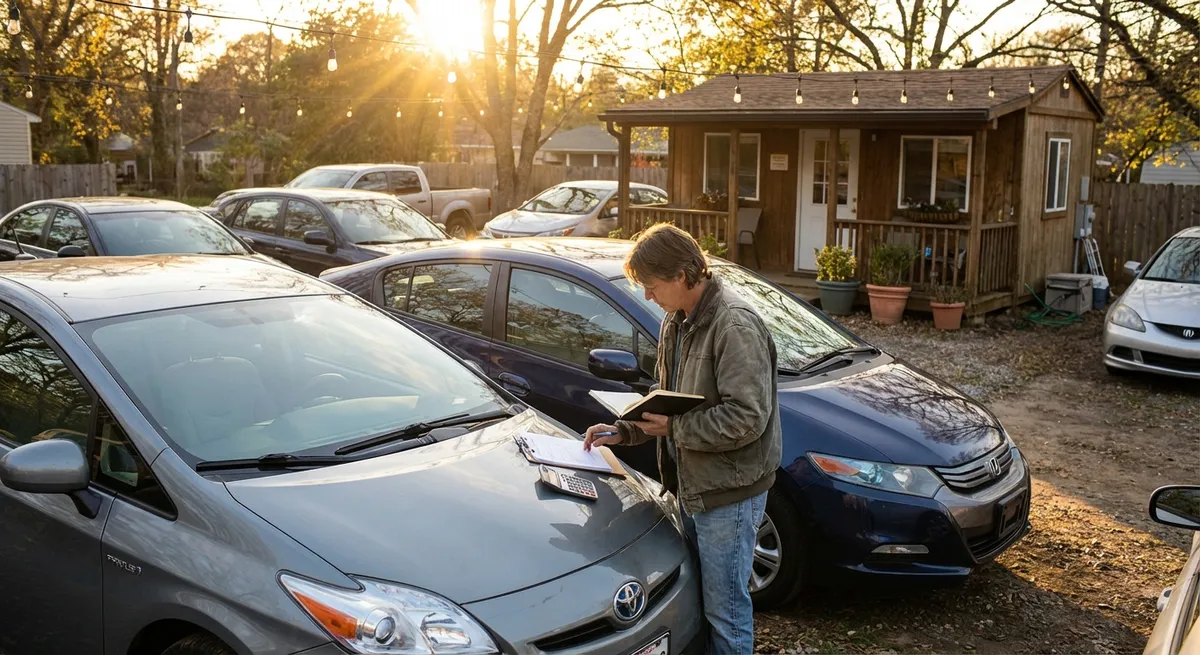
Car shopping isn’t just about picking a color and signing paperwork anymore. Between online marketplaces, financing options, and fast‑changing tech, it’s easier than ever to overpay, buy the wrong fit, or get stuck with features you don’t really need. This guide breaks the process down into clear, practical steps so you can approach your next vehicle purchase with more confidence—and less regret.
Start With Your Real Life, Not the Showroom
Before looking at a single listing, get clear on how the vehicle must fit your actual lifestyle.
Think about your weekly routine: how many miles you drive, the roads you use, your parking situation, and who usually rides with you. A compact car might make sense if you mostly commute solo in a city with tight parking, while a small SUV could be a better fit if you frequently carry kids, pets, or gear. Consider your climate too—regular snow or rain might justify all‑wheel drive, but that same feature is often unnecessary in warm, dry areas and can raise both purchase and operating costs.
List your non‑negotiables (for example: good crash-test ratings, enough cargo space for a stroller, smartphone integration for navigation) separately from your “nice‑to‑haves” (like a sunroof or premium audio). This simple exercise makes it easier to ignore emotional impulses on the lot and focus on what you’ll still care about after the new‑car smell fades. The clearer you are about your real needs, the less likely you are to overbuy.
Practical Tip #1: Build a “Must Have vs. Nice to Have” list before you shop, and keep it open on your phone while you browse listings or visit dealerships.
Look Beyond New: Compare Ownership Costs, Not Just Age
New vehicles aren’t automatically the smartest choice, and older used cars aren’t always the bargain they seem. The key is to compare total cost of ownership: what the vehicle will really cost you over the years, not just on day one.
Factors include purchase price, depreciation, insurance, fuel or electricity, maintenance, repairs, registration, and taxes. A slightly more expensive model with better fuel economy and lower insurance can be cheaper over five years than a “deal” that gulps gas and has high repair rates. Modern certified pre‑owned (CPO) programs can offer extended warranties and inspection standards that reduce risk compared to buying a random used car with no backing.
Online tools from insurers and auto research sites let you estimate fuel economy, insurance premiums, and expected maintenance for different models. Use them to compare a few finalists side by side. This mindset shift—comparing ownership costs instead of model years—helps you spot vehicles that are affordable not just to buy, but to keep.
Practical Tip #2: Use a total cost of ownership calculator to compare at least three vehicles (new vs. used or CPO) before deciding which direction to go.
Treat Financing as Part of the Purchase, Not an Afterthought
The way you pay for a vehicle can make a good price turn into a bad deal. Many buyers focus on “monthly payment” alone, which can hide a long loan term or high interest rate. A seemingly comfortable monthly number may mean thousands of extra dollars in interest over time.
Start by checking your credit reports and scores from reputable sources. A stronger credit profile often unlocks lower auto loan rates. Then get preapproved for a loan from your bank, credit union, or an online lender before visiting a dealership. This gives you a clear baseline rate and total budget, and makes it easier to see whether the dealer’s financing offer is actually competitive.
Look at the total cost of the loan: interest rate, term length, and any added fees. Shorter terms typically mean higher monthly payments but much lower overall interest. Be cautious with add‑ons rolled into financing—things like extended warranties, gap insurance, or paint protection can be useful in some cases but are often more expensive when bundled and financed than when purchased separately.
Practical Tip #3: Get at least one outside loan preapproval and compare the out‑the‑door total (price + taxes + fees + interest) instead of judging by monthly payment alone.
Use Data and Inspections to Reduce Risk, Especially With Used Vehicles
For used vehicles, information is your best protection against expensive surprises. Even if a car looks clean and drives well in a quick test, hidden issues can turn a “bargain” into a repair project.
Begin by checking the vehicle identification number (VIN) through a reputable vehicle history service. These reports can show prior accidents, title issues (like salvage or flood branding), odometer discrepancies, and past registration locations that might indicate rust exposure. While not perfect, they’re a useful filter to eliminate high‑risk candidates.
Next, schedule a pre‑purchase inspection with a trusted independent mechanic—ideally one familiar with the brand you’re considering. They can spot signs of poor maintenance, aftermarket modifications, upcoming major repairs (like worn brakes, tires, or timing components), and any safety-related problems. If a private seller or dealer refuses an inspection, that’s often a signal to walk away.
Practical Tip #4: For any used car you’re serious about, pay for a professional pre‑purchase inspection and use the report to negotiate—or decide to move on.
Negotiate the Whole Deal, Not Just the Price
Once you’ve narrowed down your options, it’s time to put your research to work at the negotiating table. Many buyers focus only on the sticker price, but there are several separate pieces you can negotiate: vehicle price, trade‑in value, fees, financing, and extras.
Start by researching fair market prices using multiple online pricing guides. Bring that data with you, and be ready to show comparable listings if needed. When you sit down, ask for an itemized out‑the‑door quote that includes all taxes, registration, and dealer fees. This prevents low advertised prices from being inflated with unnecessary add‑ons at signing.
If you have a trade‑in, treat it as a separate transaction. Get online estimates and, if possible, quotes from places that buy cars outright. This lets you spot lowball offers. When it comes to extras like extended warranties or protection packages, pause before agreeing. Ask for written details, what’s actually covered, and whether you can decide later. You’ll often get better value shopping around on your own once you’re home and not under time pressure.
Practical Tip #5: Always ask for an itemized out‑the‑door quote and negotiate each component (price, trade‑in, fees, financing, add‑ons) separately instead of accepting a bundled offer.
Conclusion
A smart vehicle purchase is less about chasing the biggest discount and more about aligning the car, the financing, and the long‑term costs with your real life. By defining your needs upfront, comparing ownership costs instead of only sticker prices, treating financing as part of the deal, leaning on data and inspections for used cars, and negotiating the full package—not just the number on the window—you give yourself a better shot at a vehicle that fits your budget and your daily routine.
You don’t need to be an expert mechanic or a professional negotiator to buy wisely. You just need a clear plan, a few reliable tools, and the willingness to slow down long enough to use them.
Sources
- U.S. Department of Energy – Fuel Economy – Official fuel economy data to compare long‑term operating costs between vehicles
- Insurance Institute for Highway Safety (IIHS) – Vehicle Ratings – Independent crash‑test ratings and safety information for many makes and models
- Consumer Financial Protection Bureau – Auto Loans – Guidance on auto financing, loan terms, and how to compare offers
- National Highway Traffic Safety Administration – VIN Decoder & Recalls – Tool to check for open safety recalls and decode basic vehicle information
- Federal Trade Commission – Buying a Used Car – Consumer advice on used‑car shopping, inspections, and avoiding common pitfalls
Key Takeaway
The most important thing to remember from this article is that this information can change how you think about Autos & Vehicles.