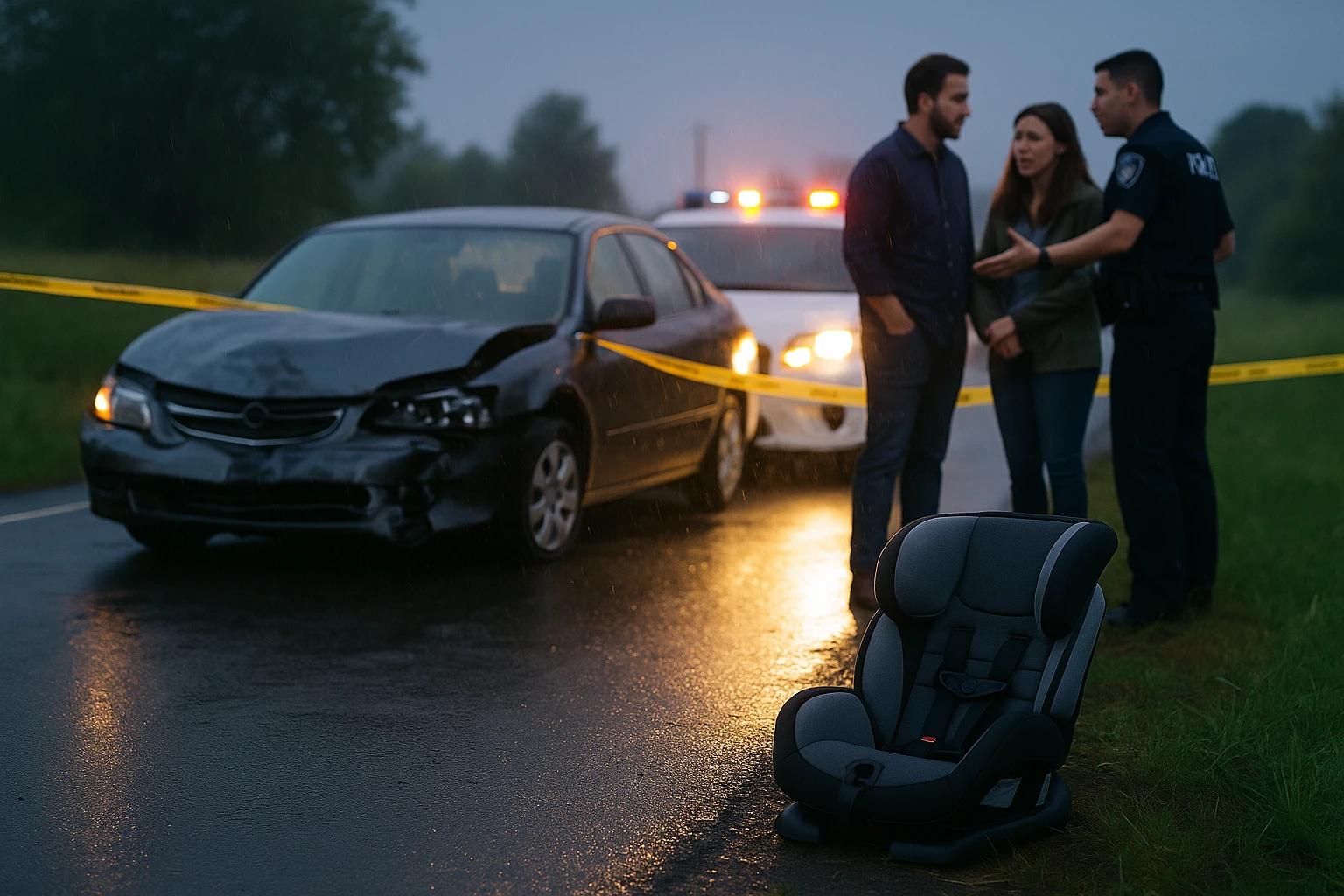
Bored Panda’s piece, “Children’s Heartbreaking Words Revealed After Dad’s Disturbing Behavior On Mountain,” focuses on an emotional family crisis, not specifically on cars. But there’s an important, related reality: many of the most painful words children ever say are spoken after terrifying experiences in vehicles—reckless driving, poor maintenance, or unsafe choices on dangerous roads.
When Family Trips Turn Tragic: What Viral Stories Teach Us About Vehicle Safety
Every day, families head out on mountain drives, highway road trips, and school runs assuming everything will be fine. Yet:
- Road crashes remain a leading cause of death for children and young adults in many countries.
- A huge share of serious accidents are linked to speeding, distraction, substance use, or poor vehicle condition.
Stories like the one highlighted by Bored Panda remind us that adult decisions behind the wheel—and the vehicles we choose—directly shape children’s sense of safety and trust.
This article turns that emotional reality into clear, practical guidance: how to choose safer vehicles and adopt habits that protect the most vulnerable passengers in your car.
Why Vehicle Choice Matters So Much for Families
When you drive with kids on board—especially on high-risk routes like mountain roads—your vehicle becomes a moving safety system. The difference between a minimally equipped older car and a modern, safety-focused family vehicle can be life-changing.
Key reasons your choice of vehicle is crucial:
- Crash protection: Newer designs, better crumple zones, and advanced airbags radically reduce injury risk.
- Stability and traction: Electronic stability control (ESC), anti-lock braking (ABS), and modern tires help you maintain control, especially on steep or winding roads.
- Driver assistance tech: Features like lane-keeping assist and automatic emergency braking support tired or distracted drivers.
For parents, the goal isn’t bells and whistles—it’s for your children never to have those “heartbreaking words” after a close call or crash.
Below are 5 practical tips for smart, safety-conscious vehicle purchasing, especially for families.
1. Start With Safety Ratings, Not Just Space and Style
Many family buyers lead with questions like “Will the stroller fit?” or “Is there a third row?” Those matter—but safety ratings should come first.
Use independent sources such as:
- IIHS (Insurance Institute for Highway Safety) – Look for Top Safety Pick or Top Safety Pick+.
- NHTSA (National Highway Traffic Safety Administration) – Aim for 4–5 star overall ratings.
Focus on:
- Frontal and side-impact protection, especially for rear-seat passengers.
- Rollover ratings, crucial for SUVs and crossovers often used for family travel.
If a vehicle looks perfect on paper but scores poorly in safety tests, consider it a deal-breaker.
2. Prioritize Modern Safety Tech That Actually Reduces Risk
Most newer models are packed with tech, but not all features equally improve safety. For families driving in challenging environments—mountains, highways, mixed weather—prioritize systems proven to reduce accidents.
Look for:
- Automatic Emergency Braking (AEB) – Helps prevent or reduce severity of frontal crashes.
- Forward Collision Warning (FCW) – Alerts you when a crash risk is detected.
- Blind-Spot Monitoring – Extremely helpful when merging or changing lanes with kids distracting you.
- Rear Cross-Traffic Alert – Critical in parking lots or driveways where children may be hard to see.
- Electronic Stability Control (ESC) – Now standard on most modern cars, vital on winding or slippery roads.
Nice-to-have, but not essential:
- Built-in navigation (phone-based apps are usually better)
- Big panoramic sunroofs (can reduce headroom and sometimes add noise/leak risk)
Spend budget first on life-saving tech, not just lifestyle features.
3. Consider Your Real Driving Environment (Not Your Instagram Adventures)
Families often imagine weekend getaways to mountains, lakes, or national parks—and may choose vehicles that prioritize image over practicality and safety.
Ask hard questions:
- How often do you really tackle steep, unpaved, or icy mountain roads?
- Do you regularly drive at night on rural or poorly lit routes?
- Are you in a region with heavy rain, snow, or ice?
Your answers should guide:
- Drivetrain choice – All-wheel drive or four-wheel drive may be worth it if you frequently drive in snow, mud, or steep terrain.
- Tire quality – High-quality all-season or dedicated winter tires often do more for safety than AWD alone.
- Ground clearance and braking – On steep, winding roads, good brakes and stable handling matter more than an aggressive off-road look.
Match your car to your real environment, not a fantasy scenario.
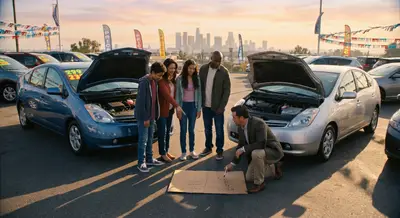
4. Budget for Safety and Reliability, Not Just the Lowest Price
In online discussions around heartbreaking family incidents, there’s often a recurring theme: people felt pressured into cheaper but older or poorly maintained vehicles to save money.
There’s a smarter way to balance budget and safety:
- Look at slightly used, 2–5-year-old models with strong safety scores and reliability records.
- Avoid very old vehicles that lack modern safety tech, even if they’re much cheaper.
- Factor in:
- Insurance – Safer vehicles may get better rates.
- Fuel or charging costs – Efficient vehicles reduce long-term financial stress.
- Maintenance history – A well-documented service record beats a low price with no paperwork.
Think of your car not as a status item but as protective equipment for your family. That reframes your buying decisions.
5. Make Calm Driving Part of the “Vehicle Package” You’re Buying
The Bored Panda story underlines how children are emotionally affected by adult behavior in high-stress environments. The same is true in cars. Even in a 5-star safety-rated SUV, reckless or aggressive driving can undo every good decision you made at the dealership.
When evaluating a vehicle, also commit to how you will use it:
- Choose a car whose power and performance you can handle comfortably.
- Use advanced driver-assistance systems as backup, not permission to be distracted.
- Establish household rules:
- No speeding on family trips, especially on unfamiliar or mountain roads.
- No phone use while driving unless fully hands-free and limited.
- No driving when emotionally upset, impaired, or exhausted.
Teach kids from the start that safety is more important than schedules. If they see you calmly pulling over in bad conditions instead of pushing on, that becomes their norm.
Practical Checklist for Family Vehicle Shoppers
Before you sign, run through this short list:
Safety Ratings – IIHS Top Safety Pick / NHTSA 4–5 stars?
Core Safety Tech – AEB, FCW, ESC, and side airbags present?
Fit for Your Environment – Tires, drivetrain, and brakes suited to your typical routes?
Solid Reliability – Good owner reviews, no major recall history ignored, maintenance up to date?
Budget-Realistic – Payment, insurance, and running costs leave room for savings and emergencies?
When these boxes are checked, you’re not just buying a car—you’re investing in a buffer against the kinds of traumatic experiences that generate those heartbreaking stories online.
Turning Hard Lessons Into Better Decisions
Viral stories like “Children’s Heartbreaking Words Revealed After Dad’s Disturbing Behavior On Mountain” stick with us because they tap into every parent’s worst fear: that in a single drive, something will happen that changes a child’s life forever.
While we can’t control every other driver or every patch of black ice, we can control:
- The vehicle we choose
- The habits we practice behind the wheel
- The priorities we set when balancing budget, lifestyle, and safety
A safer, properly chosen vehicle combined with calm, responsible driving won’t make headlines—but it will give your children something far better than viral-worthy drama: years of uneventful, forgettable, safe rides.
And in the world of family transportation, “boring” is often the biggest gift you can give.
Key Takeaway
The most important thing to remember from this article is that this information can change how you think about Autos & Vehicles.