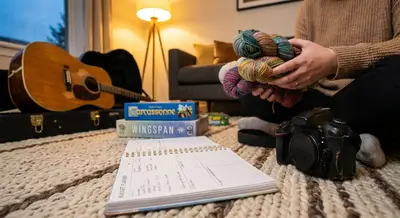
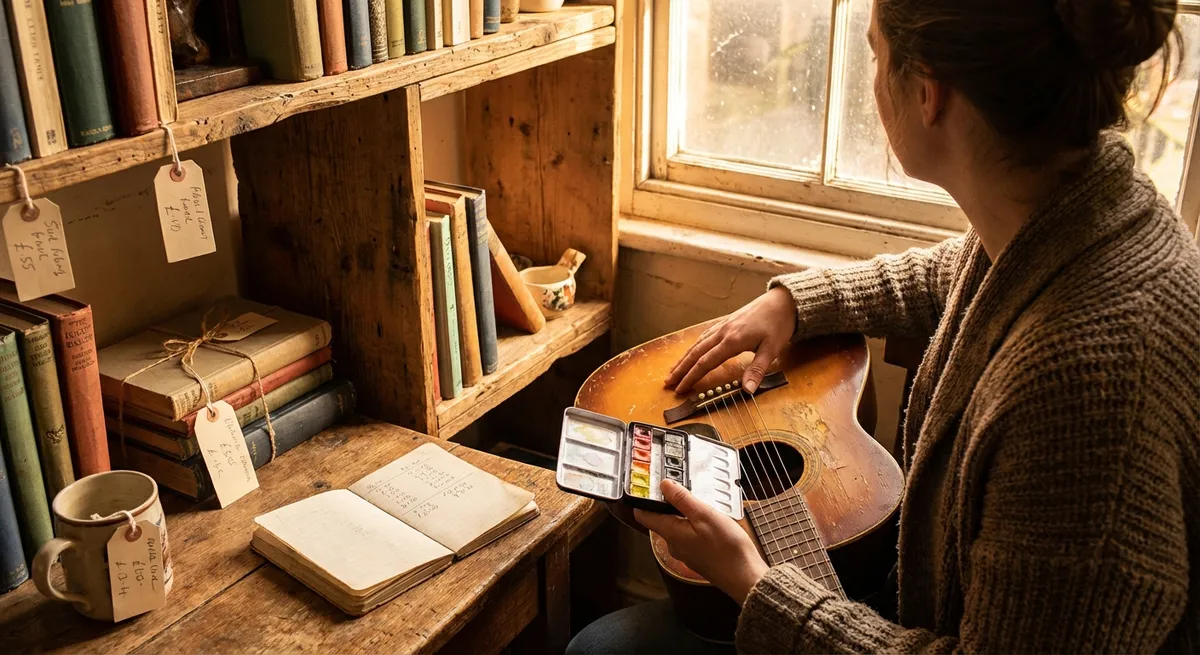
Picking up a new hobby should feel exciting, not stressful. But between marketing hype, overkill gear lists, and endless online recommendations, it’s easy to spend more than you need—or buy the wrong things entirely. This guide will help you enjoy hobbies and leisure time while staying smart about what you purchase, so you get more satisfaction and less buyer’s remorse.
Start With Experiences, Not Equipment
Before buying anything big, test the hobby in the cheapest, lowest-commitment way possible. Many people buy premium gear upfront, only to discover a few weeks later that the activity isn’t for them, or that their needs are totally different from what they imagined.
Look for ways to “rent” the experience first: community classes, trial passes, rental gear, or borrowing from friends. This works especially well for hobbies like photography, camping, musical instruments, golf, or crafting. Pay attention to how often you actually want to do the activity, what parts you enjoy most, and what feels frustrating because of missing or low-quality gear. That real-world experience should guide your first purchases far more than online wish lists.
Taking this “experience-first” approach also helps you avoid buying specialized gear that only matters at a more advanced level. When you do decide to spend, you’ll be buying to remove a specific pain point you’ve felt directly, instead of solving a problem you don’t really have.
Understand the “Skill vs. Gear” Tradeoff
In almost every hobby, there’s a balance between what better gear can do for you and what better skills can do. Early on, skill almost always matters more than owning high-end equipment. A beginner photographer will see bigger gains from learning composition and lighting than from upgrading to a premium lens; a new guitarist will improve more with consistent practice than with a more expensive instrument.
Before upgrading, ask yourself: “Is my current gear truly holding me back, or do I just want something new?” If you haven’t yet hit the limits of what you own—because you’re still learning the basics—put your money toward learning resources instead. That could mean lessons, online courses, books, or workshops.
When you do feel limited by your current setup, make a clear list of what’s frustrating you: maybe your bike feels too heavy on hills, your sewing machine can’t handle thicker fabric, or your drawing tablet is laggy. Choosing gear to fix specific, felt problems usually leads to smarter, more satisfying purchases than simply chasing “better” or “pro-level” equipment.
Use a “Starter Tier” Strategy Instead of Going All-In
A practical way to shop for hobby gear is to think in tiers:
- Entry tier: Reliable, budget-friendly tools that let you explore the hobby and build basic skills.
- Growth tier: Mid-range gear that adds comfort, durability, or performance once you’re sure you’ll stick with it.
- Specialized tier: High-end or niche gear tailored to your specific style, preferences, or advanced goals.
Start at the entry tier unless you already know from experience that you’ll use the gear heavily. Look for items that are well-reviewed for value and durability, not just raw performance. Avoid “toy-grade” options that are so low-quality they make the hobby frustrating (like instruments that won’t stay in tune, or tools that break quickly). Instead, aim for the cheapest tier that is still considered “real” or “usable” by people who are more experienced in the hobby.
Over time, you can move up a tier when you hit concrete limitations and know exactly what you want. Often, you’ll find that a solid mid-range option is more than enough for long-term enjoyment, and you’ll save significantly compared with high-end alternatives that offer marginal benefits for casual use.
Compare Ongoing Costs, Not Just the Upfront Price
Many hobbies come with recurring expenses—supplies, maintenance, memberships, event fees, or travel. A hobby that looks affordable based on equipment alone might turn out to be expensive once you factor in everything else, while another hobby with higher upfront costs could be cheaper over time.
Before you commit, make a simple cost picture:
- Upfront costs: Basic gear, protective equipment, storage, or setup.
- Monthly or yearly costs: Memberships, course subscriptions, range fees, studio space, club dues.
- Per-use costs: Materials, strings, film, ink, fabric, consumables, or facility fees.
- Hidden costs: Repairs, upgrades, safety gear, transportation.
Then think honestly about how often you’re likely to practice or participate. Divide likely monthly or yearly costs by how many sessions you expect, and consider whether the “per session” cost feels worth it to you. This approach can help you prioritize hobbies that deliver more enjoyment for the money and avoid drifting into activities that quietly drain your budget.
Understanding ongoing costs also helps you shop more strategically: maybe you can choose reusable supplies instead of disposable ones, pick digital alternatives where they make sense, or bundle purchases to reduce shipping and membership fees.
Shop Secondhand and Community-First for Smarter Upgrades
For many hobbies, the “best value” gear isn’t brand new—it’s carefully chosen secondhand equipment or items sourced through local communities. People frequently upgrade, downsize, or abandon hobbies, which means there’s often high-quality gear available at significant discounts if you’re willing to look.
Good places to explore include local classifieds, buy-and-sell groups, community bulletin boards, specialty forums, and consignment or thrift shops that focus on your hobby category. When buying secondhand, focus on durable items that age well: tools, instruments, hard gear (like bikes or camping equipment), and storage solutions. Be more cautious with items that have safety, hygiene, or performance concerns when used (like climbing gear, helmets, or certain electronics).
At the same time, connect with local clubs, classes, or online communities dedicated to the hobby. These groups can help you identify which features matter, what brands or models hold up over time, and which “bargains” are likely to be regrets. Members may also lend gear, trade items, or alert you to good deals—making it easier to upgrade intelligently without paying full retail.
Conclusion
Hobbies should add energy to your life, not financial stress. By testing experiences before buying, focusing on skill over status gear, using a tiered approach to equipment, considering ongoing costs, and tapping into secondhand and community resources, you can build a leisure life that feels both fulfilling and financially sensible. The result isn’t just money saved—it’s a hobby collection that genuinely reflects how you like to spend your time, instead of how marketers think you should.
Sources
- USA.gov – Recreation and Travel – Overview of recreational resources and programs in the U.S., useful for finding low-cost ways to try new activities
- National Recreation and Park Association – Research and insights on community recreation, including the value of local programs and facilities
- Consumer Reports – How to Shop Smart – General guidance on evaluating products and avoiding common shopping pitfalls
- REI Co-op Expert Advice – In-depth buying guides and skill articles across outdoor hobbies, with a focus on choosing the right level of gear
- Berklee College of Music – Instrument Buying Tips – Practical advice on choosing musical instruments wisely as a beginner or intermediate player
Key Takeaway
The most important thing to remember from this article is that this information can change how you think about Hobbies & Leisure.