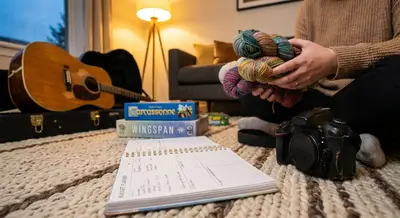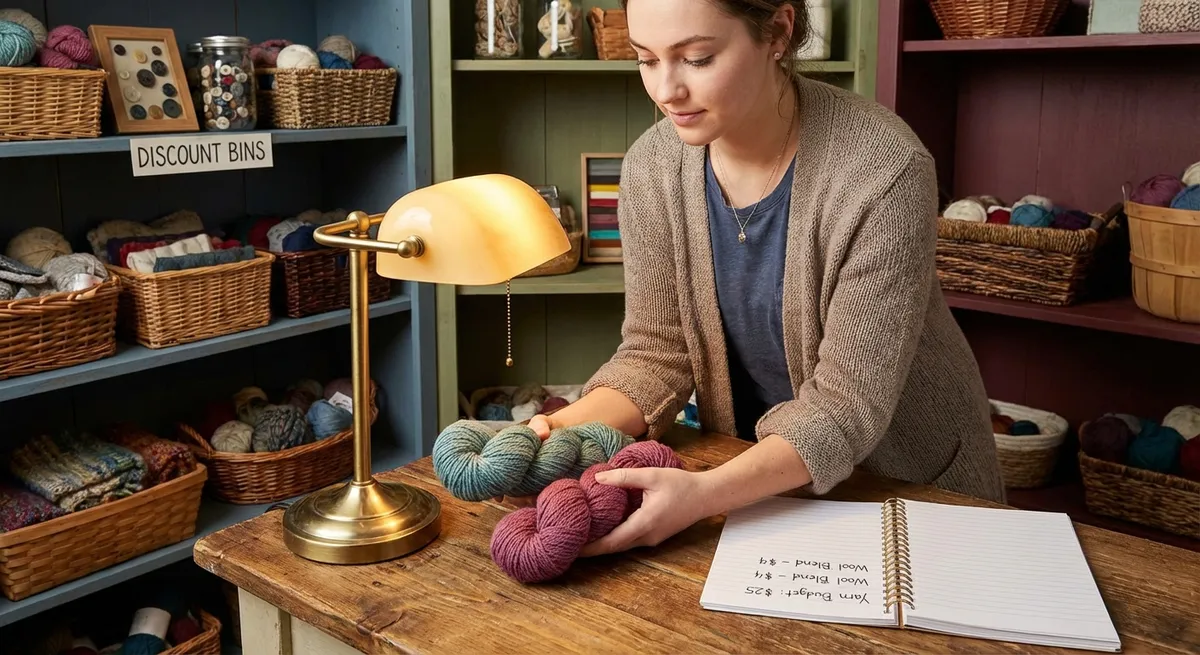
Starting (or upgrading) a hobby can be one of the best ways to spend your free time—but it’s also an easy way to overspend on gear you barely use. Whether you’re getting into photography, woodworking, crafting, gardening, board games, or any other pastime, a few smart decisions up front can save you money and frustration later. This guide walks you through how to invest in your hobby strategically, so your purchases actually support your enjoyment instead of draining your wallet.
Start With the Experience, Not the Equipment
Before you buy anything major, get as close as possible to the real hobby experience using what you already have or can borrow. Rent a camera before committing to a DSLR, borrow a friend’s guitar, attend an open board-game night at a local shop, or take a drop‑in pottery class that includes materials. Your goal is to test: Do you like the process, or just the idea of it?
Pay attention to how often you realistically see yourself doing the activity and what parts you enjoy most. For example, in photography, you might discover you love editing more than shooting, which changes what kind of gear and software are worth paying for. Experimenting first helps you avoid impulse buys driven by marketing, social media trends, or hobby “aesthetic” rather than genuine interest. It also reveals whether a low‑tech or entry‑level setup already gives you most of the enjoyment you’re looking for.
Define Your “Just Enough” Starter Setup
Once you’re sure the hobby is worth pursuing, define a clear, minimal starter setup instead of aiming for a “fully equipped” collection on day one. Focus on items that unlock the core activity: a single versatile lens instead of a full camera bag, a basic set of knitting needles and yarn instead of specialty tools, or a modest set of paints and brushes instead of a giant kit. Think in terms of capabilities rather than brands: what must you be able to do, and what’s the least expensive, reliable way to do it?
Look for beginner‑friendly gear that can grow with you, such as instruments that stay in tune reasonably well, entry‑level tech with upgrade paths (like interchangeable lenses or modular add‑ons), and tools made from durable materials. Avoid cheap “toy” versions that are frustrating to use and quickly need replacing; that false economy is often more expensive in the long run. Reading user reviews that mention longevity, ease of use, and learning curves can help you identify gear that’s both affordable and functional.
Buy Used, Refurbished, or Shared When It Makes Sense
For many hobbies, the used and refurbished market is your best friend. Photography equipment, musical instruments, power tools, bicycles, gaming consoles, and even sewing machines often lose a big chunk of their value the moment they’re sold new but remain highly functional for years. Certified refurbished products from manufacturers or reputable retailers typically come tested, cleaned, and sometimes warrantied, offering a safer middle ground between new and secondhand.
Local communities can also help you save: tool libraries, makerspaces, music co‑ops, and community art studios provide access to high‑quality equipment and spaces for a small membership or hourly fee. Online marketplaces and local buy‑sell groups can be great sources for discounted supplies from people who overbought or moved on from a hobby. When buying used, ask for photos, test items in person if possible, and research typical prices so you can recognize a fair deal without rushing into risky bargains.
Plan Your Purchases Around Skill Growth, Not Sales Hype
Instead of letting seasonal sales or new product launches drive your spending, tie your purchases to clear skill milestones. For example, in drawing or painting, you might decide you’ll upgrade to higher‑quality paper and paints once you’re practicing consistently each week and have finished a certain number of pieces. In cycling, you might wait to buy clipless pedals or specialized clothing until you’re regularly riding certain distances. This approach ensures your money follows your actual commitment and progress.
Create a simple “gear roadmap”: list what you have, what you might want next, and what skill or habit would justify each upgrade. This keeps you focused when big promotions or influencer recommendations pop up. When something catches your eye, ask: Will this solve a real limitation I’m hitting now, or is it a “nice to have” that can wait? Often, pushing your existing setup a bit further teaches you more about what you truly need—and keeps your budget intact.
Protect Your Time and Money With a Simple Hobby Budget
A hobby should enhance your life, not compete with your essentials or push you into debt. Set a realistic monthly or quarterly budget that covers both gear and ongoing costs like classes, consumables (paint, yarn, film, strings), memberships, or entry fees. Treat this as part of your overall financial plan, not separate from it. Even a small, steady amount—like $25–$50 a month—can add up to meaningful upgrades over time without pressure.
Track your hobby spending for a few months to see patterns: Are you constantly buying small extras that add up, or do you save for big pieces of equipment? Knowing this helps you adjust. You can also look for ways to reduce recurring costs, such as buying consumables in bulk with friends, sharing streaming or software subscriptions where terms allow, or using free community resources, tutorials, and open‑source tools. Remember that time is also a resource: avoid over‑subscribing to classes or events you can’t realistically attend, and prioritize purchases that you’ll actually use in the near future.
Conclusion
A fulfilling hobby doesn’t require a premium setup or a room full of specialized gear—it requires thoughtful choices that match your interests, skill level, and budget. By testing the experience before investing heavily, building a “just enough” starter kit, leaning on used or shared resources, tying upgrades to real progress, and setting a clear budget, you give yourself the best chance to stick with your hobby long term. The payoff is more enjoyment, less buyer’s remorse, and a leisure life that feels rich without making your finances feel strained.
Sources
- USA.gov – Libraries and Community Organizations – Directory and overview of local libraries and community resources that often include makerspaces, classes, and tool or media lending
- FTC Consumer Advice – Shopping and Saving – Guidance on making smarter buying decisions, avoiding scams, and understanding offers
- Better Business Bureau – Tips on Buying Used Products – Advice on safely purchasing secondhand items and evaluating sellers
- B&H Photo – Used & Refurbished Gear Guide – Explains the benefits and considerations when buying used and refurbished hobby electronics like cameras
- Harvard Business Review – The Psychological Traps of Online Shopping – Insight into how marketing and design can influence purchasing decisions, useful for staying intentional with hobby spending
Key Takeaway
The most important thing to remember from this article is that this information can change how you think about Hobbies & Leisure.