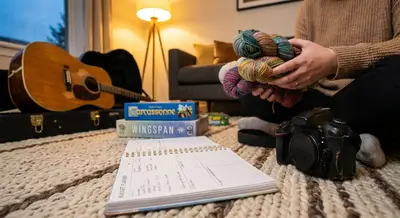
Hobbies are supposed to be fun, but they can quietly turn into a money pit if you’re not intentional. Between gear, classes, memberships, and “must‑have” upgrades, it’s easy to spend more than you enjoy. With a bit of planning, you can build a hobby you actually stick with—while keeping your budget and expectations in check.
Start With the Experience, Not the Equipment
The most common money trap in hobbies is buying the “setup” before you know if you enjoy the activity.
Instead of starting with a shopping list, start with a trial experience. For example, rent a camera for a weekend instead of buying one, sign up for a drop‑in pottery class instead of a full course, or borrow a friend’s guitar to test if you’re genuinely interested in learning. Many community centers, libraries, and local clubs offer low‑cost introductions that let you explore without committing to big purchases.
This approach helps you figure out what you actually like about a hobby. You might find you love hiking but don’t care about ultra‑technical trails—meaning you don’t need high‑end gear. Or you may discover you prefer digital drawing to traditional painting, shifting where your money goes. When you lead with experiences, your future purchases become sharper, more targeted, and less wasteful.
Practical purchasing tip #1: Don’t buy any item over a pre‑set price (for example, $100) until you’ve tried the hobby at least three separate times through rentals, classes, or borrowing.
Identify the “Core Few” Items That Really Matter
Every hobby has a small set of purchases that meaningfully affect your experience—and a long tail of nice‑to‑haves that mostly add cost.
For example, in running, well‑fitted shoes are critical, while branded apparel is secondary. In photography, a good lens and stable tripod may matter more than owning multiple camera bodies. In board gaming, a handful of versatile, replayable games often provide more value than a shelf full of niche titles you barely touch.
Spend some time researching what experienced hobbyists consider “core” versus “optional.” Look for patterns across multiple sources—forums, subreddits, and expert reviews often converge on the same few essentials. Once you know the priority items, you can direct your budget toward purchases that immediately improve comfort, safety, or enjoyment, instead of spreading money thinly across accessories you barely use.
Practical purchasing tip #2: Before buying anything, ask: “Will this change how often I do this hobby, how safe it is, or how much I enjoy it?” If the answer is no, move it to a later‑maybe list.
Use the “90-Day Rule” to Avoid Impulse Hobby Spending
Hobby enthusiasm often spikes early and then fades. To protect your wallet from that initial rush, build in a delay between “wanting” and “buying.”
Create a 90‑day list (or 30 days if 90 feels too long) where you park non‑essential hobby items. When something catches your eye—a new set of brushes, a premium gaming headset, upgraded camping stove—add it to the list with the date. Revisit it after the time has passed. Often, the excitement will have cooled, or you’ll have gained enough experience to know whether it’s genuinely useful.
This delay is especially helpful for “aspirational” purchases—things that represent the version of yourself you want to be, rather than what you actually do now. Maybe you imagine yourself cycling 60 miles every weekend, but right now you’re riding 5 miles twice a week. Let your real behavior catch up before you gear up for a future that hasn’t happened yet.
Practical purchasing tip #3: For each item on your delay list, only buy it if:
1) You’re still doing the hobby regularly, and
2) The item solves a problem you’ve actually encountered while practicing.
Choose Ownership Level: Borrow, Rent, Buy Used, or Buy New
Not every hobby item needs to be bought new—or owned at all.
Think about hobby gear in four levels of commitment:
- Borrow: Ideal for early exploration. Ask friends, family, or local clubs if they loan out equipment (like instruments, tools, or sports gear). Libraries increasingly lend out non‑book items such as telescopes, sewing machines, or even museum passes.
- Rent or share: Great when the gear is expensive but infrequently used—kayaks, camera lenses, specialized tools, or high‑end ski equipment. Shared studios or makerspaces can give you access to equipment you’d never buy outright.
- Buy used: Smart when you’re sure you’ll stick with the hobby but don’t need the latest model. Many hobbies—cycling, photography, music, gaming—have strong used markets where you can save significantly while still getting quality gear.
- Buy new: Best reserved for safety‑critical items (helmets, climbing harnesses), heavily customized equipment (fitted shoes, instruments), or gear you use constantly and can’t easily find used.
Choosing the right ownership level for each item can dramatically cut costs without reducing enjoyment.
Practical purchasing tip #4: Before buying new, ask: “Can I reasonably borrow, rent, or buy this used first?” If yes, try that path and upgrade only if you hit a clear limitation.
Plan Your Hobby Budget Like a Subscription, Not a Shopping Spree
Instead of treating hobby spending as a one‑time haul, frame it as a small, ongoing “subscription” to enjoyment.
Start by estimating what you’re comfortable spending per month on hobbies overall. This number should fit within your broader financial plan (covering savings, essentials, and other goals). Then, decide how to allocate it: some months may focus on classes or lessons, others on gear upgrades, and some on low‑cost practice or free community events.
This mindset helps you pace purchases and avoid big splurges you regret later. It also encourages you to evaluate whether you’re getting value from recurring costs—memberships, season passes, app subscriptions, or game battle passes. If you’re not using something regularly, cancel it and redirect the money toward something you genuinely enjoy.
Practical purchasing tip #5: Once a quarter, review your hobby spending:
- List all recurring charges (apps, memberships, online services).
- Cancel anything you haven’t used in the last 30–60 days.
- Reassign that money to either savings or a high‑impact purchase you’ve carefully considered.
Conclusion
A satisfying hobby isn’t built on the biggest gear collection; it’s built on consistent enjoyment. When you start with experiences, focus on a few meaningful purchases, delay impulse buys, choose the right ownership level, and treat spending as an ongoing budget rather than a one‑time splurge, your hobby becomes sustainable instead of stressful.
Thoughtful decisions don’t just save money—they increase the chances you’ll keep showing up, improving, and enjoying your free time for years instead of months.
Sources
- Consumer Financial Protection Bureau – Managing Your Money – Guidance on budgeting and making intentional spending decisions
- U.S. Bureau of Labor Statistics – American Time Use Survey – Data on how Americans spend their leisure time and engage in activities
- University of Rochester Medical Center – Health Encyclopedia: Hobbies and Mental Health – Overview of how hobbies can support well-being
- REI Co-op Expert Advice – Detailed buying guides for a wide range of outdoor hobbies and gear
- B&H Photo Video – Photography Buying Guides – Example of structured, expert advice on prioritizing gear purchases in a complex hobby
Key Takeaway
The most important thing to remember from this article is that this information can change how you think about Hobbies & Leisure.