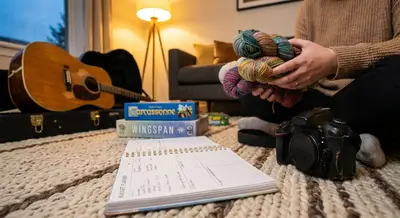

Hobbies should add joy to your life, not financial stress. Whether you’re getting into photography, knitting, tabletop games, gardening, music, or any other leisure activity, the gear and ongoing costs can add up quickly. With a little planning, you can build a hobby setup that feels satisfying, sustainable, and tailored to how you actually live—not just what social media says you “need.”
This guide walks through how to think about hobby spending, plus five practical tips for making smarter, happier purchases that support your free time instead of draining your wallet.
Start With the Experience, Not the Equipment
Before you buy anything, get clear on what you actually want your hobby time to look and feel like. That keeps you focused on purchases that truly support your experience, instead of chasing every accessory you see online.
Ask yourself simple, practical questions: Will you be doing this hobby mostly at home or outside? Alone or with others? For quiet relaxation or for competition and performance? Your answers shape what matters most—like comfort for long reading sessions, portability for outdoor sketching, or durability for camping gear. It’s also worth thinking about how often you’ll realistically practice; if you’ll only hike once a month, entry-level boots and shared gear may make more sense than a full advanced kit.
This experience-first mindset helps you resist impulse buys that don’t fit your reality. Many people overinvest early, then feel guilty when the expensive gear goes unused. If instead you define your ideal weekend or evening and shop backward from that picture, you’ll see which purchases move you closer to that vision, and which are simply “nice to have” extras that can wait.
Focus on “Starter Sets” That Can Grow With You
One of the smartest ways to control costs is to choose beginner-friendly gear that won’t box you in as you improve. Think of it as buying a solid foundation, not a disposable starter kit. For example, in music, a well-reviewed entry-level keyboard with weighted keys and basic connectivity can carry you from your first chords through intermediate practice, instead of forcing an early upgrade.
Look for gear described as “entry-level” or “enthusiast” rather than “toy” or “pro only.” Toys often limit your progress (like low-quality cameras or plastic instruments) while pro gear can be overkill for new skills. A good midrange item often supports your learning curve much longer and usually has better resale value if you decide to change hobbies later. This approach applies to art supplies, bicycles, gaming setups, crafting tools, and more.
Compatibility and expandability also matter. For tabletop gaming or model building, choose systems and brands that support expansions or add-ons so you can deepen your involvement over time without replacing your entire setup. In digital hobbies, check that software or devices support updates and accessories instead of locking you into short-lived ecosystems.
Practical Tip #1: Test Before You Invest
Whenever possible, try the hobby—and the gear—before you commit to buying. This reduces the risk of expensive mismatches between what you think you’ll enjoy and what actually fits your lifestyle.
Libraries, community centers, and local clubs often have equipment you can use or borrow: cameras, sewing machines, telescopes, board games, musical instruments, and more. Many cities have “tool libraries” or makerspaces with woodworking tools, 3D printers, and crafting equipment available for a small membership fee. Even a single trial session can tell you a lot about what you value: maybe you discover comfort matters more than advanced features in running shoes, or that you prefer digital drawing tablets over traditional paint.
If you’re shopping online, look for retailers with generous return policies and realistic user reviews. When trying something like headphones, keyboards, or sports gear in-store, focus on how it feels and fits, not just specs and branding. By treating your first interactions as experiments rather than final decisions, you give yourself permission to adjust course without sinking a lot of money.
Practical Tip #2: Use the “Rule of 10 Sessions” for Bigger Buys
For higher-priced items—like a DSLR camera, a quality guitar, a premium yoga mat, or a bike—apply a simple value test: imagine using the item at least 10 times. Divide the price by 10 to get a rough “cost per session.” Then ask yourself honestly: does that still feel worth it?
If a $200 item comes out to $20 per session for your first 10 uses, consider whether you’re realistically going to practice or go out that often in the next few months. If the answer is yes and the hobby is important for your mental or physical well-being, that cost may be justifiable. If you’re unsure you’ll stick with it, look for lower-cost ways to try the activity first—borrowing from a friend, renting, or buying used.
This rule helps you avoid impulsive “someday” purchases driven by inspiration and marketing. It also nudges you to actually use what you buy. If you do pass the 10-session mark and still love the hobby, you have a better foundation for future upgrades, because you’ll understand your preferences and pain points much more clearly.
Practical Tip #3: Buy Core Tools New, Explore Accessories Used
Not every part of a hobby purchase needs to be brand new. As a general rule, items that affect safety, hygiene, or precise fit are often best bought new—like climbing harnesses, bike helmets, running shoes, or in-ear audio gear. On the other hand, many accessories and non-safety-critical items are excellent candidates for secondhand purchases.
For example, you could buy a new midrange acoustic guitar but pick up used stands, capos, and hard cases. In photography, you might purchase a new camera body for warranty and reliability but save money by buying older lenses or tripods used from reputable marketplaces. Similarly, with board games and puzzles, used copies are often significantly cheaper and just as enjoyable, as long as you verify that components are complete.
When shopping used, factor in condition and longevity. A heavily worn pair of hiking boots at a steep discount may not be a bargain if you need to replace them soon. Check seller ratings, photos, and return policies where available. This mix-and-match strategy lets you prioritize what matters—comfort, safety, and reliability—while trimming away costs on items where “like new” is truly good enough.
Practical Tip #4: Build a Short “Upgrade Path” Before You Buy
Instead of buying everything at once, sketch out a simple upgrade path for your first year with the hobby. List what you’ll start with, what you might add later, and what would qualify as a “nice treat” once you’re committed. This helps you pace your spending and prevents you from duplicating purchases or falling for clever marketing bundles.
Say you’re starting digital art. Your path might look like this: begin with a basic drawing tablet and free software; if you’re still using it weekly after three months, upgrade to a more sensitive pen or a paid software plan; after six months, consider a larger tablet or monitor if your space and budget allow. The same idea works for any hobby: start small, reassess after a set number of sessions or months, and upgrade based on real experience, not just aspiration.
This approach also encourages you to explore the full capabilities of what you already own. Many people never push their entry-level tools to their limits before buying more. By deliberately planning when you’ll reconsider upgrades, you’ll likely discover that a thoughtfully chosen starter setup can take you surprisingly far.
Practical Tip #5: Plan for Ongoing Costs, Not Just the First Purchase
Many hobbies have recurring expenses that can quietly surpass the cost of your initial setup. Crafting and DIY projects need consumables like yarn, fabric, or paint. Gaming may involve new releases, expansions, or subscriptions. Outdoor activities can require travel to trails or parks, plus maintenance and replacement of worn gear.
Before committing, map out the likely ongoing costs: materials, membership fees, event tickets, sheet music, classes, or software subscriptions. This doesn’t need to be perfect—just a realistic estimate so there are fewer surprises. For instance, you might find that a “cheap” 3D printer becomes expensive due to filament and maintenance, while a library-based reading and writing hobby stays almost cost-free once you have a comfortable chair and notebook.
Knowing the full cost profile helps you compare hobbies more fairly and choose the ones that fit your budget and lifestyle. It also guides smart purchasing choices: maybe you spend a bit more upfront on a durable tool to avoid frequent replacements, or you choose a hobby where community access (libraries, clubs, online groups) keeps recurring spending low.
Conclusion
The best hobby purchases are the ones that you use often, enjoy deeply, and don’t regret financially. By focusing on your desired experience, testing before you invest, using simple value checks, mixing new and used gear wisely, pacing your upgrades, and accounting for ongoing costs, you can build a leisure life that’s rich in satisfaction, not cluttered with unused stuff.
You don’t need the most expensive setup to belong in any hobby community. What you need is a combination of curiosity, consistency, and a bit of thoughtful planning. Start with what fits your current budget and lifestyle, let your real usage guide your future buys, and allow your gear to grow with you as your skills and interests evolve.
Sources
- U.S. Bureau of Labor Statistics – Consumer Expenditures on Leisure and Hobbies - Provides data on how households spend on recreation, hobbies, and related categories
- Consumer Financial Protection Bureau – Managing Spending - Offers guidance on budgeting and evaluating recurring versus one-time costs
- REI Co-op Expert Advice – How to Choose Gear - In-depth, practical buying guides for outdoor and recreational equipment
- New York Public Library – Borrowing Beyond Books - Example of how libraries can be used to access materials and resources for hobbies
- MIT MakerWorkshop – Tools, Training, and Makerspaces - Illustrates how community makerspaces work and what kinds of tools hobbyists can access without buying outright
Key Takeaway
The most important thing to remember from this article is that this information can change how you think about Hobbies & Leisure.