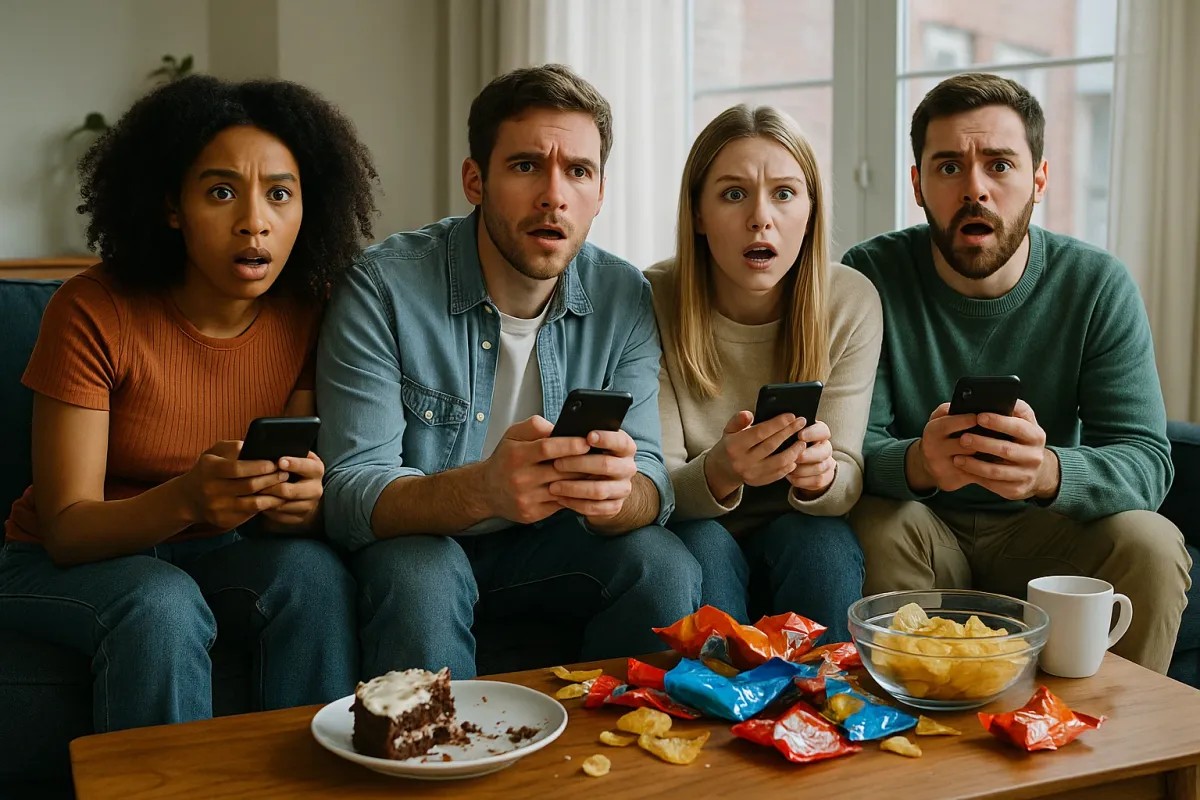
When a local news anchor goes viral for reading “mean” viewer comments in her serious broadcast voice, you don’t exactly expect it to turn into a conversation about… cake. Yet that’s exactly what happened with the curvy news anchor who recently blew up online after she read trolling remarks on air—only to have one viewer jokingly respond, “Why have fake news, when you can have cake news?”
The clip has been bouncing around X, TikTok, and Instagram, and it taps into something bigger happening right now: in a stressful news cycle, many of us are turning to comfort food as our “escape channel.” Late-night doomscrolling turns into late-night snacking. A funny broadcast becomes a viral meme—and suddenly we’re adding cake mix, cookies, and chips to the grocery cart “for a treat” far more often than we intend.
If you’re feeling that pull toward comfort food but don’t want it to wreck your budget (or your energy levels), it’s not about quitting snacks entirely. It’s about buying them smarter. Here’s how to keep enjoying your “cake news” moments without overspending or mindlessly stress-eating your way through the week.
1. Turn Viral Cravings Into Planned Treats, Not Panic Purchases
When a clip like “cake news” goes viral, brands pay attention—and so do we. Bakeries, delivery apps, and big snack companies love to jump on trending moments with limited-time flavors and cheeky campaigns. That’s how you end up with a $30 dessert delivery at 10:30 p.m. after a rough day and a funny video.
Instead of cutting treats completely, assume emotional cravings are going to hit and build them into your plan:
- Set a weekly “fun food” budget (for example, $10–$15). That could be a bakery run, a fancy bar of chocolate, or ingredients for a small but really good homemade dessert.
- Buy “single-event” treats, not warehouse-sized boxes of ultra-processed snacks. A small bakery slice or a 2–3 serving dessert mix gives you the experience without leaving a week’s worth of leftovers to nibble on.
- Keep “just-add-water” desserts in the pantry (mug cake mix, brownie-in-a-cup, mini cookie dough logs). They scratch the cake itch fast and usually cost less than delivery or full bakery orders.
- Avoid shopping apps when you’re upset or exhausted. If you’re scrolling bad news, pause before hopping into Uber Eats or DoorDash. Decide first: “Is this a treat I’d still want tomorrow morning?” If the answer is no, it’s likely an emotional buy.
Planned indulgence usually tastes better—and costs less—than panic buying after a stressful headline.
2. Read Dessert Labels Like a Producer, Not a Passenger
The viral “cake news” comment is funny because it flips the idea of “fake news” into “real cake.” But what’s in that cake? If you’re going to spend money on feel-good food, you should at least know what you’re getting.
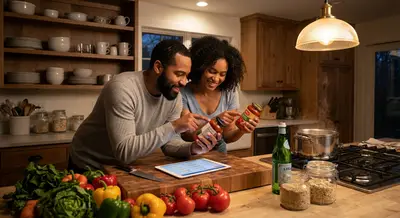
When you’re in the snack or bakery aisle, scan labels like you’re producing a show and deciding what makes the final cut:
- Check the serving size first. That mini cheesecake that “looks tiny” might clock in at 2–3 servings on the label. Multiply calories, sugar, and saturated fat by how much you’ll realistically eat in one sitting.
- Look at the first three ingredients. For baked goods, seeing flour, butter/oil, eggs, sugar is normal. But if the list starts with multiple kinds of sugar (corn syrup, glucose, fructose) and hydrogenated oils, you’re basically buying a sugar-and-oil brick.
- Compare “real ingredient” options. Many supermarkets now carry store-brand bakery items with shorter ingredient lists right next to ultra-processed boxed desserts. Often, the price per serving is similar or even cheaper.
- Skip the “health halo” unless it earns it. “Gluten-free,” “keto,” or “high-protein” desserts can cost twice as much without truly being more nutritious. Check protein, fiber, and sugar instead of assuming the buzzword equals “better.”
The goal isn’t to make dessert a math exam—it’s to make sure your money goes toward treats that are satisfying, not just sweet.
3. Use the 3-Category Rule to Build a Smarter Snack Cart
Viral trends can pull your attention toward one thing—cake, cookies, or whatever joke is circulating that week. Slowly, your kitchen turns into a dessert bar and nothing else. To keep your grocery cart balanced (without banning dessert), try the 3-category snack rule each time you shop:
Aim to buy snacks that fall into three different groups:
- Comfort treats – Cake, cookies, ice cream, candy, or your favorite nostalgic snack.
- Everyday energy – Items with some protein or fiber: Greek yogurt, nuts, trail mix, hummus and crackers, cheese sticks, roasted chickpeas.
- Grab-and-go fresh – Ready-to-eat fruits and vegetables: berries, grapes, baby carrots, cherry tomatoes, sugar snap peas, pre-cut melon.
How this controls your spending and habits:
- Visually check your basket: If 80% of your snacks are from category 1 (comfort), rebalance before you hit checkout.
- Cap comfort treats at 1–3 items per week. For example: one bakery dessert, one sweet snack (like cookies), and one “fun” ice cream or candy.
- Stock more from categories 2 and 3. You’re more likely to reach for them during everyday hunger, saving cake and candy for actual “dessert moments.”
This way, you can still enjoy the joke about “cake news”—without turning your fridge and pantry into a 24/7 dessert special.
4. Swap Delivery Desserts for “Occasion-Level” Store Buys
One big takeaway from the viral anchor clip is how much of our eating happens while we’re watching something: news, streaming shows, TikTok lives. Pair that with one-tap delivery, and spontaneous dessert orders can quietly become a serious monthly expense.
To keep that in check without killing the fun, switch from impulse delivery to occasion-level store buys:
- Do the quick math. A typical dessert delivery (cake slice, service fees, tip) can run you $15–$25. For the same price at a grocery store, you could buy:
- A high-quality whole cake or tart on sale, or
- Dessert ingredients + a small tub of premium ice cream + fresh fruit.
- Create a “TV dessert box” in your freezer. Think single-serve or mini options: ice cream sandwiches, mini lava cakes, mochi ice cream, frozen fruit bars. They still feel like “TV dessert” but you’ve already paid for them at a much better price.
- Use local bakeries strategically. Instead of multiple random orders, plan one “big treat” night per month. Buy a small cake or selection of pastries, portion them, and freeze what you won’t eat in two days.
- Leave dessert off delivery apps by default. If you do order food delivery, uncheck or skip the dessert upsell. Have something at home ready instead.
You still get that “special dessert with my favorite show” feeling, but without turning each stressful news day into a $20 sugar hit.
5. Build a Go-To List of “Better” Comfort Foods You Actually Like
Not everyone wants to swap cake for carrot sticks—and you don’t have to. The key is having realistic upgrades ready before a stressful day hits, so your only options aren’t frosting or nothing.
Create a simple “comfort-but-better” list that fits your taste and budget:
- Upgrade your sweets:
- Dark chocolate (70%+ cocoa) squares instead of random candy.
- Frozen berries with a small scoop of ice cream instead of a giant sundae.
- Bakery-quality cookie from a local shop instead of a whole box of cheap cookies.
- Add a side of protein or fiber. If you’re having cake, have it with a Greek yogurt, a glass of milk, or some nuts. It slows sugar absorption and keeps you full longer, so you’re less tempted to keep snacking.
- Buy small but high-quality. A rich, small slice of good cheesecake often satisfies more than three slices of bland grocery cake—and may not be much more expensive per serving if you’re paying attention to unit price.
- Keep “emergency calm food” on hand. For some people, that’s herbal tea and a square of dark chocolate. For others, it’s microwave popcorn or a warm mug cake. Decide what actually soothes you (not just what’s trendy on TikTok), and stock that.
This is about making your comfort food work harder for you—comfort, yes, but also value, satisfaction, and fewer “how did we finish the whole box?” moments.
Conclusion
The “cake news” comment that went viral under a clip of a news anchor reading cruel viewer remarks is funny because it feels true to life: when the world gets harsh, we reach for humor and something sweet. Our screens serve both constantly—jokes, stress, and snack ads all blended into one scroll.
You don’t need to opt out of that culture to protect your wallet and your health. By planning treats, reading labels with intention, balancing your snack cart, trading impulse delivery for smarter store buys, and building a personal list of “better” comfort foods, you can keep enjoying those viral moments without letting them quietly dictate your grocery bill.
Enjoy the cake. Just make sure you’re choosing it—your budget (and probably your mood) will be better for it.
Key Takeaway
The most important thing to remember from this article is that this information can change how you think about Food & Drink.