
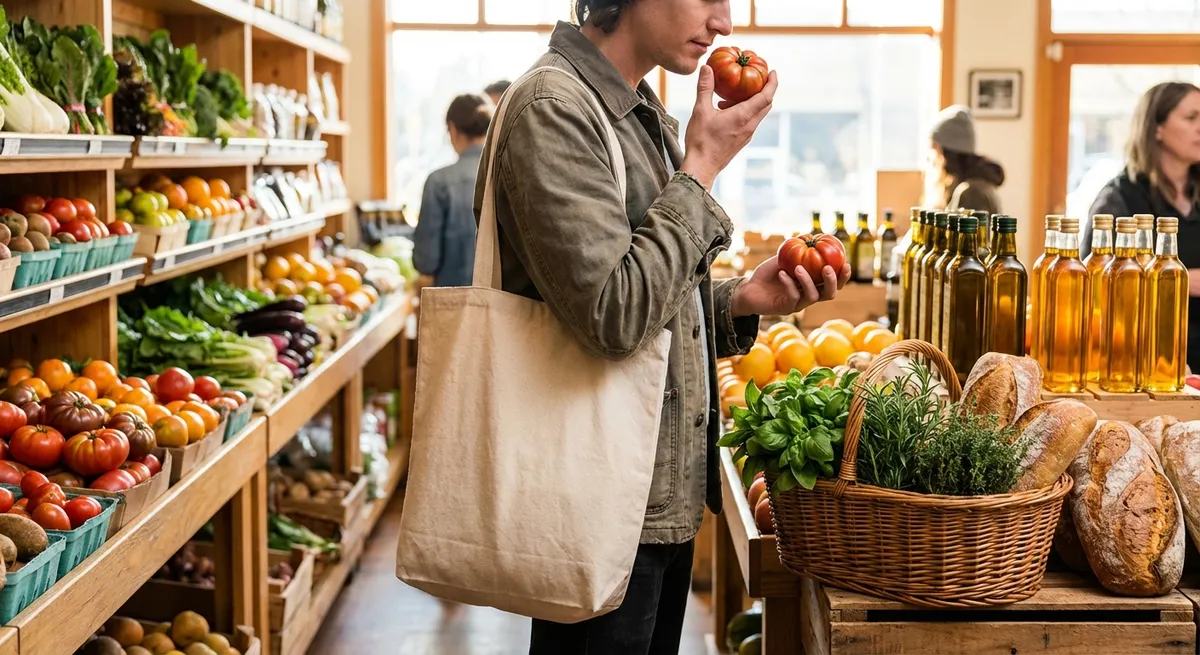
Most people shop for food on autopilot: same store, same brands, same “deals” that may not actually save money—or taste good. But with a bit of strategy, you can turn every grocery run into a smarter investment in flavor, health, and your budget. This guide focuses on how to shop like a pro: choosing ingredients that taste better, last longer, and give you more value per dollar.
Rethinking “Value” In Food: It’s More Than Just Price
When you see a sale sign, it’s easy to assume you’re getting a good deal. But value in food isn’t just about the price tag; it’s about what you actually get on your plate. A cheap ingredient that spoils fast or tastes bland can cost you more in the long run if it leads to wasted food or takeout.
A better way to think about value is to combine four factors: flavor, nutrition, shelf life, and versatility. A food that scores well on all four—like dried beans, eggs, frozen vegetables, whole grains, or yogurt—tends to be a better buy than a “bargain” product you use once and forget.
Portion size matters too. Individually packaged snacks often cost significantly more per ounce than a larger bag, even if the sticker price looks similar. And “healthy” convenience products can still hide added sugars, sodium, and fillers that reduce nutritional value per dollar. Whenever possible, compare unit prices (price per ounce, pound, or liter) and ingredient quality instead of just the headline price.
Smart grocery buying also accounts for how you actually cook and eat. If you rarely bake, that 10-pound bag of flour is not a bargain. If you love stir-fries, investing in high-quality soy sauce and fresh garlic could improve most of your dinners. Aligning purchases with your real habits is one of the easiest ways to avoid waste and improve every meal.
Tip 1: Build Your Cart Around “Anchor Ingredients”
Instead of planning meals from scratch every week, build your shopping list around a core set of “anchor ingredients” that you know you’ll use constantly. These are versatile foods you can plug into many recipes without feeling like you’re eating the same thing every day.
Examples of anchor ingredients include:
- Proteins: eggs, canned tuna, tofu, chicken thighs, lentils, chickpeas
- Grains and carbs: rice, oats, whole-grain pasta, potatoes, tortillas
- Vegetables: onions, carrots, celery, frozen mixed vegetables, leafy greens
- Flavor builders: garlic, lemons, soy sauce, olive oil, vinegar, chili flakes, dried herbs
Anchor ingredients are powerful because they reduce decision fatigue and waste. You can cook a soup, stir-fry, pasta, salad, or grain bowl with almost the same base items, changing only sauces or seasonings. That flexibility means less food left unused in your fridge.
When you shop, prioritize restocking these anchors before impulse buys. If your budget is tight, it’s almost always smarter to buy more of your high-utility staples than a single specialty ingredient you’ll only use once. Over time, this approach builds a pantry that gives you options instead of random mismatched items.
Tip 2: Use the “Two-Use Rule” For Fresh Produce and Specialty Items
Fresh herbs, unique cheeses, and seasonal produce can make meals exciting—but they also tend to be the first things that spoil. To cut waste and still eat well, apply a simple rule before putting any perishable or specialty item in your cart: can I confidently use this in at least two different dishes this week?
For example, buying a bunch of cilantro becomes smarter if you know you’ll use it in tacos and a bean salad. A head of cauliflower makes sense if you’ll roast half and use the rest in a curry. That second planned use is what turns a splurge into a smart purchase.
If you can’t answer the “two-use” question, consider:
- Swapping for a longer-lasting alternative (frozen herbs, frozen vegetables, or dried spices)
- Buying a smaller amount from the bulk section if available
- Choosing a more versatile ingredient (spinach instead of a very specific green, Parmesan instead of a niche cheese)
This rule also works for sauces, marinades, and condiments. Before buying a new bottle, think about how many meals it can enhance. A great soy sauce, hot sauce, or vinegar can transform dozens of dishes, whereas a very specific niche sauce might only work once.
Tip 3: Shop Store Brands Strategically (And Know When To Go Name-Brand)
Store brands (also called private labels) have improved dramatically in quality and often come from the same manufacturers as name brands. They can be excellent value for basics like sugar, salt, flour, canned tomatoes, frozen vegetables, and many dairy products.
A smart approach is to treat store-brand items as your default for low-risk categories:
- Pantry basics: beans, rice, pasta, oats, canned veggies, cooking oil
- Frozen staples: peas, corn, mixed vegetables, plain fruits
- Basics in dairy: milk, butter, plain yogurt, shredded cheese
Then, selectively stay with name brands where quality differences are clearer or where you truly care about flavor and consistency. This might include:
- Coffee and tea
- Specialty cheeses
- Certain condiments (like hot sauces or artisanal mustards)
- Some gluten-free or allergy-specific products, where formulation matters a lot
When you do blind taste tests at home—pouring cereal or juice into unmarked bowls—you may find that some store-brand products are indistinguishable from or even better than premium brands. Once you discover where store brands work for you, locking them in as your go-to can cut your bill significantly without sacrificing enjoyment.
Tip 4: Use the Freezer As a Money-Saving Tool, Not a Last Resort
Many people treat frozen food as a backup plan, but in a smart food-buying strategy, your freezer is one of your best money-saving tools. It allows you to buy in bulk when prices are low, preserve leftover portions, and keep ingredients on hand that are just as nutritious as fresh.
Frozen fruits and vegetables are often picked and frozen at peak ripeness, meaning their nutrient content is comparable to, or sometimes better than, out-of-season “fresh” produce that traveled long distances. They’re ideal for smoothies, stir-fries, soups, and side dishes, and they greatly reduce the risk of produce going bad before you cook it.
You can also extend the life of:
- Bread (slice and freeze; toast straight from frozen)
- Meat and fish (portion before freezing to avoid thawing more than you need)
- Cooked grains like rice and quinoa (freeze flat in bags, then reheat quickly)
- Fresh herbs (chop and freeze in olive oil in ice cube trays for easy sautéing)
When you see a good sale on high-quality proteins or staple items you know you’ll use, buying extra and freezing them intelligently can stretch your budget. Just label everything with the date and contents, and keep a simple list on your fridge or phone so items don’t get lost in “freezer limbo.”
Tip 5: Decode Food Labels So You’re Paying For Quality, Not Marketing
Packaging and front-label claims are designed to sell, not to inform. Phrases like “natural,” “multigrain,” “light,” or “immune-supporting” can sound impressive while saying very little about what’s actually in the package.
To shop smarter, build the habit of scanning:
- Ingredients list – Shorter lists with recognizable foods (like tomatoes, water, salt) are usually a safer bet than long lists with multiple forms of sugar, hydrogenated oils, or artificial additives.
- Order of ingredients – Ingredients are listed by weight. If sugar, corn syrup, or refined flour appear at the top, you’re buying mostly those, regardless of any health claims.
- Nutrition facts – Focus on added sugars, sodium, fiber, and protein. Two seemingly similar products can have dramatically different levels of these.
For example, one brand of flavored yogurt might have as much added sugar as a dessert, while another offers similar taste with far less sugar and more protein. A “multigrain” bread may be mostly refined flour with a dusting of seeds, while a “100% whole grain” bread usually offers more fiber and sustained energy.
Instead of paying a premium for buzzwords like “keto,” “functional,” or “clean,” compare the core numbers and ingredients. Often, a plain base product (like oats, plain yogurt, or canned beans) plus your own flavor additions (fruit, herbs, spices) will be cheaper, tastier, and more adaptable than heavily marketed ready-made alternatives.
Conclusion
Smart food and drink buying isn’t about strict rules or giving up enjoyment—it’s about making every dollar work harder for your taste buds, your health, and your schedule. By centering your cart around anchor ingredients, applying the two-use rule, using store brands intelligently, leveraging your freezer, and reading labels with a critical eye, you build a kitchen that supports how you really live and eat.
The payoff is simple: fewer “what do I even do with this?” items, less food waste, better flavor in everyday meals, and a grocery bill that reflects real value instead of clever marketing. The next time you shop, try implementing just one of these strategies. Over a few trips, you’ll start to feel the difference—on your plate and in your budget.
Sources
- U.S. Department of Agriculture – Tips for Supermarket Shopping - Practical government guidance on planning, shopping, and reducing waste
- Harvard T.H. Chan School of Public Health – The Nutrition Source: Reading Food Labels - Detailed explanation of how to interpret ingredient lists and nutrition facts
- Cleveland Clinic – What to Know About Store-Brand vs. Name-Brand Foods - Compares quality, safety, and value between private-label and branded products
- Academy of Nutrition and Dietetics – Shop Smart to Fill Your Cart - Registered dietitian-backed tips for budget-friendly, nutritious grocery shopping
- Harvard T.H. Chan School of Public Health – Frozen vs. Fresh Produce - Evidence-based look at nutrition and value differences between fresh and frozen produce
Key Takeaway
The most important thing to remember from this article is that following these steps can lead to great results.