
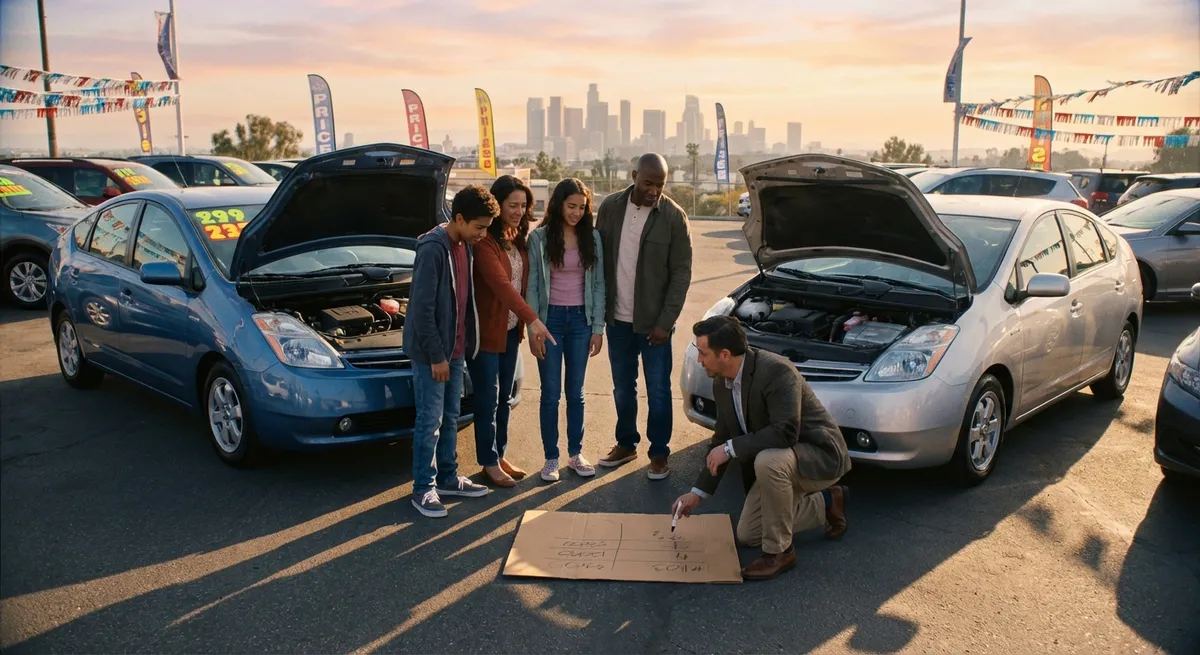
Walking into a dealership or scrolling through endless car listings can feel less like shopping and more like taking an exam you forgot to study for. Trim levels, money factors, residuals, destination fees—suddenly the car you thought cost one price mushrooms into something very different. But buying a vehicle doesn’t have to feel like a trap. With a clear plan and a few strategic moves, you can turn a stressful process into a confident, informed purchase.
This guide focuses on real-world, practical steps you can take before you sign anything—whether you’re shopping new or used, leasing or buying, in person or online. The goal is simple: protect your wallet, avoid regret, and end up with a vehicle that actually fits your life, not just your impulse.
Clarify What You Actually Need (Before You Fall In Love With Anything)
The easiest way to overspend on a vehicle is to start shopping before you’ve defined your actual needs. Start with your daily reality, not the dream. How many miles do you drive in a week? How often do you carry passengers, kids, or gear? Do you live where it snows or where roads flood? These questions help you decide if you really need all-wheel drive, a third row, or extra cargo space—or if a smaller, cheaper, more efficient vehicle would serve you better.
Be specific: list your non-negotiables (e.g., backup camera, good crash-test ratings, Apple CarPlay/Android Auto, fuel efficiency target) and your “nice-to-have” features (panoramic roof, upgraded sound system, leather seats). Then set a firm budget based on total cost of ownership, not just the monthly payment. That means considering insurance, fuel or charging costs, maintenance, registration, and taxes. When you walk into a dealership or browse online with a written list and a budget range, you’re far less likely to get steered toward something flashier—and more expensive—than your life really requires.
Compare Total Ownership Costs, Not Just Sticker Prices
A low purchase price can hide high long-term costs. Two cars that cost roughly the same upfront can differ dramatically in fuel, insurance, maintenance, and depreciation. Before you commit to a vehicle, look up its average fuel economy and calculate what that means for your annual driving habits. Check insurance quotes for a few models you’re considering; sporty trims, luxury badges, and certain safety features can materially change your premiums.
Reliability and repair costs matter more than many buyers think. Search for common issues on owner forums, compare reliability scores from trusted sources, and examine the cost of routine maintenance—especially for turbocharged engines, hybrids, and EVs with specialized parts or tires. Also consider depreciation: some brands and body styles (like certain trucks and crossovers) tend to hold value better than others. That affects your future trade-in or resale, which quietly changes the “real” cost of today’s purchase. Treat the car like a multi-year subscription, not a one-time buy, and the smartest options will look different.
Use Pre-Approval As Your Leverage, Not Just Your Backup
Many shoppers walk into a dealership with no firm financing in place, then accept whatever monthly payment is offered—often without fully understanding the interest rate, loan length, or add-ons quietly bundled into the deal. Getting pre-approved for a loan from your bank, credit union, or an online lender before you shop flips this dynamic. You’ll know exactly what interest rate range you qualify for, what loan term keeps you within budget, and the maximum amount you’re truly comfortable borrowing.
This does two things. First, it protects you from stretching the loan term (like 72–84 months) just to make the monthly payment “work,” which can leave you underwater and stuck in a car longer than you want. Second, it gives you bargaining power. You can compare the dealer’s offer to your pre-approval and ask them to beat it—if they can’t, you’re not trapped. When you treat financing as its own decision, separate from the excitement of the test drive, you’re less likely to overpay on interest or fall for “payment-focused” negotiations that disguise a bad deal.
Inspect, Test, And Verify: Don’t Skip The Homework On Used Cars
If you’re buying used, patience and verification are your best protection. Start by checking the vehicle history report from a reputable provider to see accident history, title issues, mileage discrepancies, and prior usage (rental, lease, commercial). A clean report isn’t a guarantee of a perfect car, but a messy one is a clear warning sign. Always match the VIN on the report to the VIN on the vehicle so you know you’re seeing the right records.
Next, insist on an independent pre-purchase inspection from a trusted mechanic—not the seller’s recommendation. This small upfront cost can reveal hidden issues like leaks, worn suspension parts, previous bodywork, or flood damage that you can’t spot at a quick glance. During the test drive, drive the car the way you actually use a vehicle: highway speeds, stop-and-go traffic, tight turns, parking maneuvers, and braking in a safe, controlled way. Pay attention to noises, vibrations, alignment, transmission smoothness, and how the brakes feel. If the seller rushes you, deflects questions, or resists an independent inspection, treat that as a data point—there are always other cars.
Separate Negotiation Topics: Price, Trade-In, And Add-Ons
One of the most powerful moves you can make as a buyer is to separate the conversation into parts instead of letting everything blend into a single monthly-payment figure. Focus first on the out-the-door price of the vehicle you’re buying—this includes the vehicle price plus all taxes and fees. Ask for a written breakdown so you can see dealer-installed add-ons, document fees, and anything “extra” that wasn’t part of your original discussion. You can often decline or negotiate down items like paint protection, nitrogen tires, VIN etching, or high-markup accessories.
Only after you’ve settled on the purchase price should you talk about your trade-in value (if you have one). Research your car’s approximate trade-in value ahead of time using multiple sources, and get a couple of instant cash offers from online buyers to use as a reference. Treat your trade-in as a separate transaction so the dealer can’t inflate one number while quietly reducing the other. Finally, evaluate extended warranties, service contracts, and protection plans with a cool head. Ask what’s covered, what’s excluded, who administers the plan, and whether you can buy it later. Many buyers discover they don’t need half the add-ons they were urged to purchase in the excitement of “closing the deal.”
Conclusion
Buying a car is one of the biggest ongoing expenses most households take on, which means small decisions up front can echo through your budget for years. When you define your needs clearly, analyze total ownership costs, secure financing on your terms, verify the condition of any used vehicle, and separate each part of the negotiation, you change the game. Instead of reacting to pressure, you’re following a plan.
You don’t need to be a car expert or a master negotiator to buy smart—you just need a process. The more you slow down, ask for itemized details, and compare options, the more likely you are to end up with a vehicle that fits your life, respects your budget, and still feels good to drive long after the new-car smell is gone.
Key Takeaway
The most important thing to remember from this article is that this information can change how you think about Autos & Vehicles.