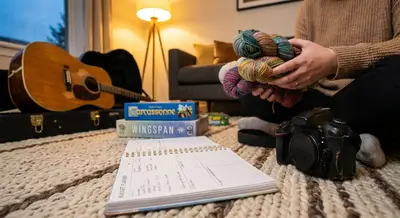
Leisure time is precious—and so is your money. When a new hobby catches your eye, it’s easy to splurge on gear, kits, and courses, only to lose interest a few weeks later. The result: cluttered closets, wasted cash, and guilt every time you see that unused equipment. This guide will help you approach hobbies like a thoughtful curator instead of an impulse buyer, so your purchases actually support a leisure life you’ll stick with and enjoy.
Start With Experiences, Not Equipment
Before buying anything substantial, test the hobby through low-commitment experiences. This reduces the chance of investing in gear you rarely touch.
Look for beginner classes at community centers, maker spaces, local colleges, or recreation departments. Many offer rentals or shared equipment for activities like pottery, woodworking, photography, or climbing. For digital hobbies—like drawing, video editing, or music production—try free trials of software or lightweight apps before committing to pricier subscriptions.
Borrow or rent where possible: libraries increasingly loan out items like cameras, telescopes, and even sewing machines, while some music shops rent instruments by the month. This trial phase isn’t just about saving money; it helps you figure out what aspects you actually enjoy. You might discover you love group salsa classes but dislike solo home practice—or enjoy urban sketching far more than digital art. Let these small-scale tests guide what, if anything, you buy.
Match Purchases to Your Real Life, Not Your Ideal Self
Many hobby purchases are aspirational—we buy for the person we hope to be, not the person we are. A smart leisure strategy is to align spending with your current routines, space, and energy.
Consider when and where you’ll realistically do the hobby. If you live in a small apartment, a compact watercolor set or portable puzzle board is easier to integrate than a large woodworking bench. If your free time is mostly late evenings, quiet indoor activities (like reading, drawing, or model building) may fit better than hobbies that require daylight or travel.
Think about your energy patterns, too. After work, will you truly prep elaborate baking projects weekly, or would you rather unwind with something low-effort like knitting or casual gaming? By buying tools that support how you already live, you’re more likely to use them regularly—and avoid guilt-inducing, “someday” purchases.
Focus Purchases on Skill-Building, Not Just Stuff
Smart hobby spending emphasizes what helps you improve and stay engaged, not just what looks impressive. A modest but well-chosen purchase can add more long-term value than a glamorous but specialized item.
Prioritize foundational tools and materials that support repeated practice. In many hobbies, a small set of quality basics—like a sturdy beginner guitar, a decent set of pencils and paper, or a basic but adjustable bike—will carry you much further than a collection of niche add-ons. When evaluating gear, ask: “Will owning this help me do the hobby more often, or just differently?”
Don’t overlook knowledge as part of your budget. A good class, tutorial series, or book can be more transformative than a fancier version of what you already own. For example, a short photography course might teach you to use your existing smartphone camera far better than buying a new camera body you don’t yet know how to control. Over time, skill-building investments increase your enjoyment, which makes any future gear purchases more worthwhile.
Five Practical Tips for Smart Hobby Purchases
1. Set a “Starter Budget” and a “Stick-With-It Checkpoint”
Before you buy, decide on a clear starter budget—an amount you’re comfortable spending to explore the hobby for the first 1–3 months. This might cover a basic kit, one course, and a few materials. Avoid buying everything at once; instead, plan a “checkpoint” date to reassess your interest.
At that checkpoint, ask: Am I still doing this regularly? What’s annoying or holding me back? Use that reflection to guide any next purchase, instead of adding random upgrades. This stepwise approach protects you from going “all in” on a hobby you might drop and builds a more useful collection of tools over time.
2. Start at the Reliable Middle, Not the Absolute Cheapest
Ultra-cheap hobby gear can be frustrating, especially for beginners: warped knitting needles, sticky paint, or poorly tuned instruments can make the hobby feel harder than it is. On the other hand, top-of-the-line gear is often overkill.
Aim for a “solid middle” tier recommended by experienced users, reviews, or instructors: items known to be durable and comfortable for learners. Look for products described as “student,” “entry-level,” or “enthusiast” gear from reputable brands, rather than no-name bargain listings. This balance gives you a fair experience without overspending before you know your long-term commitment.
3. Lean on Communities Before You Buy
Online and offline communities are invaluable filters. Instead of trusting marketing copy, look for what long-time hobbyists actually use daily. Join relevant subreddits, Facebook groups, Discord servers, or local clubs and search for “beginner recommendations,” “budget setup,” or “gear I regret buying.”
Ask specific questions like, “If you were starting over, what’s the one item you’d buy again?” or “What did you buy early on that turned out unnecessary?” These answers often reveal patterns: certain brands that consistently last, tools that are surprisingly critical, and accessories that seemed cool but rarely leave the drawer. Community insight can save you from both underbuying (choosing tools that hinder learning) and overbuying (getting features you won’t use).
4. Favor Modular and Multi-Use Tools
When possible, choose gear that can grow with you instead of locking you into a narrow path. For example, a camera with interchangeable lenses is more flexible than a highly specialized fixed-lens model; a basic but expandable toolkit for DIY projects can work across home repairs, crafting, and tinkering.
Modular systems let you add pieces slowly as your skills and interests expand. In creative hobbies, this might mean buying a good set of primary colors in paint that can be mixed into many shades, rather than dozens of rarely used tubes. In tabletop gaming, you could invest in versatile accessories (dice, generic miniatures, reusable boards) that work across multiple games instead of single-use add-ons. This approach stretches your budget and reduces the risk of outgrowing your setup too quickly.
5. Plan for Storage, Maintenance, and Resale Before You Purchase
Hobbies don’t just cost money upfront; they also take up space and time in the long run. Before buying, consider where the items will live, how you’ll keep them in good shape, and how easy they’ll be to resell or donate if your interests change.
Favor items that are easy to store, clean, and maintain. Check whether replacement parts, strings, refills, or blades are readily available and reasonably priced. When you’re unsure about your long-term commitment, prioritize gear with a strong resale market—well-known brands, standard sizes, or popular models—so you can recover some costs if you move on. Thinking through this full lifecycle helps you build a hobby collection that feels manageable instead of overwhelming.
Making Time the Centerpiece of Your Hobby Choices
The most valuable resource in any hobby isn’t the gear—it’s your time. Smart purchases support the kind of time you want to spend, rather than dictating it. If you picture yourself outdoors more often, tools that nudge you into local parks or trails are more aligned than expensive indoor gadgets. If you crave calm, consider hobbies with simple setups and quick cleanups, so starting doesn’t feel like a project.
It can help to try a “week in advance” experiment: for one week, block short windows of time in your calendar for hobby practice using whatever you already own or can borrow. Notice which sessions you’re excited to keep and which you skip. Your behavior is a better guide than wishful thinking. Then, let purchases amplify those real patterns—buying the items that remove friction from the activities you already return to.
Conclusion
Thoughtful hobby spending isn’t about denying yourself fun—it’s about making sure your money genuinely enhances your leisure time instead of turning into clutter and regret. By testing experiences before buying, aligning gear with your real life, focusing on skill-building, and using community wisdom, you can curate a hobby toolkit that feels purposeful and satisfying.
When you treat your free time like something to be intentionally designed, every purchase becomes part of a bigger picture: more enjoyment, less waste, and hobbies that stay with you long after the first burst of enthusiasm fades.
Sources
- U.S. Bureau of Labor Statistics – American Time Use Survey – Data on how people actually spend leisure and sports time, useful for aligning hobby plans with real-world patterns
- Harvard Health Publishing – The health benefits of having a hobby – Explores physical and mental health advantages of sustained hobbies
- Mayo Clinic – How to make exercise a habit – Behavior and habit-formation principles that also apply to sticking with active hobbies
- MIT OpenCourseWare – Free online courses – Example of high-quality, no-cost learning resources for skill-building hobbies
- New York Public Library – Borrowing Beyond Books – Illustrates how libraries lend non-traditional items (instruments, tools, etc.) to test hobbies without heavy upfront costs
Key Takeaway
The most important thing to remember from this article is that this information can change how you think about Hobbies & Leisure.