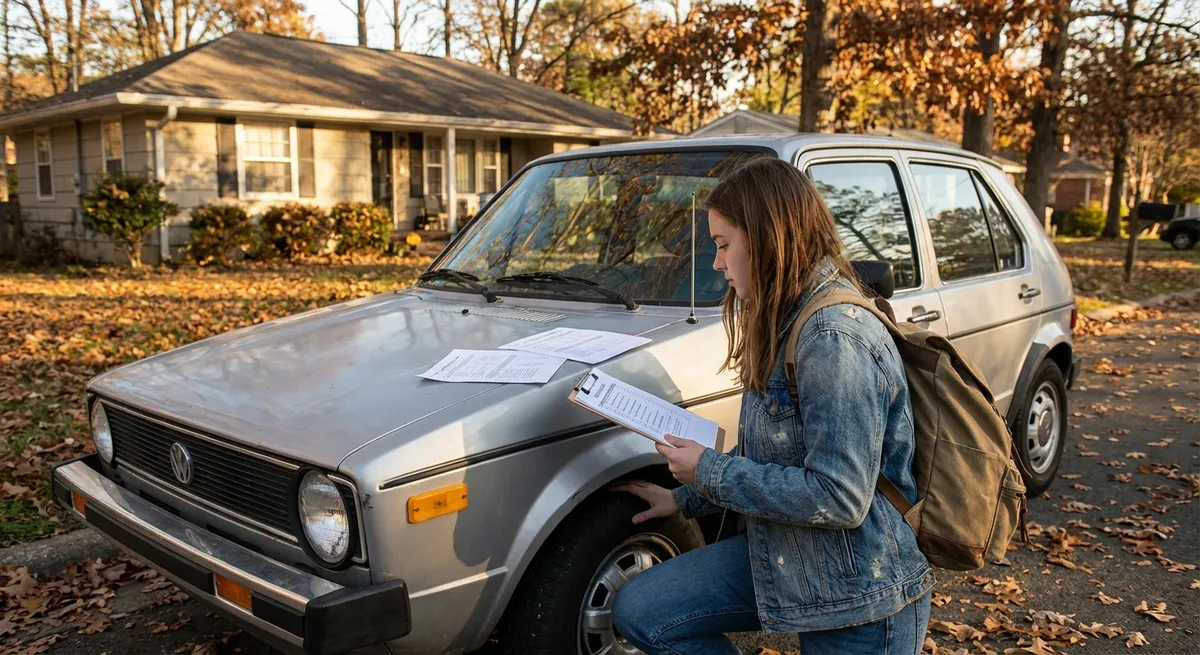
Buying a car—whether new or used—can feel exciting, confusing, and a little intimidating all at once. Between finance offers, trim packages, and persuasive sales tactics, it’s easy to overspend or end up with a vehicle that doesn’t really fit your life. This guide breaks down the car-buying process into clear, practical steps so you can make a confident choice, protect your budget, and avoid the most common regrets.
Start With Your Real-Life Needs, Not the Showroom Floor
Before you open a single listing or visit a dealer, get specific about how you’ll actually use your car. This anchors your decision in reality instead of emotion.
Think honestly about:
- Daily driving habits: How many miles do you drive each day? Mostly city, highway, or mixed?
- Passenger and cargo needs: Do you regularly carry kids, coworkers, pets, or bulky gear?
- Climate and terrain: Do you drive in snow, on dirt roads, or mostly on well-paved city streets?
- Parking and storage: Tight city parking may rule out very large vehicles.
- Fuel and running costs: A cheaper purchase price can be misleading if fuel or maintenance is high.
Translate this into a short “must-have” list (like 4 doors, good fuel economy, backup camera, enough trunk space for strollers or tools) and a “nice-to-have” list (panoramic sunroof, premium audio, heated seats). Use this as your filter when browsing. If a vehicle doesn’t meet your must-haves, skip it—even if the deal looks great or the styling is appealing.
This simple prep work keeps you from getting upsold into a vehicle that looks impressive on day one but doesn’t fit your lifestyle on day 100.
Tip 1: Fix Your Total Budget Before You Fall in Love With a Car
Dealers love to ask, “What monthly payment are you looking for?” That question is designed to focus you on the payment instead of the total cost. Flip the script by deciding on an all-in budget before you shop.
Consider:
- Total purchase price (including taxes, dealer fees, and documentation fees)
- Down payment you can comfortably afford without draining your emergency savings
- Interest rate and loan term (shorter term = less interest paid overall)
- Ongoing costs like fuel, insurance, maintenance, and registration
Use online calculators to see how price, interest rate, and loan term change your monthly payment and total interest. In general:
- Try to keep your car payment under 10–15% of your take-home pay
- Keep total car expenses (payment, insurance, fuel, maintenance) under 20% of your take-home pay
- Avoid stretching loans to 72–84 months just to “make the payment work”—that often means you’re buying more car than you can truly afford
When you walk into a dealership, focus on “out-the-door” price (everything included) instead of “What can I do to get you to $xxx per month?” This protects you from hidden fees and inflated loan terms.
Tip 2: Decide on New vs. Used Using Depreciation, Not Just Sticker Price
New cars come with warranties and the latest tech, but they lose value fastest. Used cars can save thousands, but only if they’re in good condition and priced fairly.
Weigh these trade-offs:
New cars may make sense if:
- You want the longest full warranty coverage and minimal repair risk for the first few years
- You plan to keep the car a long time (often 8–10+ years)
- You value the latest safety tech and fuel efficiency
Used cars may make sense if:
- You want to avoid the steepest depreciation (cars often lose a large chunk of value in the first 3–5 years)
- You’re comfortable with slightly older tech and styling
- You can verify maintenance history and condition
A smart middle ground is a certified pre-owned (CPO) vehicle from a reputable brand. These are usually:
- A few years old
- Low mileage
- Inspected by the manufacturer
- Sold with extended warranties
Before deciding, check:
- Historical reliability of the model you’re considering
- Ownership costs like insurance and common repairs
- Resale value trends, which can hint at how much value you’ll lose over time
Instead of asking “Can I afford the monthly payment?” ask, “How much value will this car lose in the years I plan to own it, and does that make sense for my budget?”
Tip 3: Research Like a Pro Before You Set Foot on a Lot
The car lot is the most expensive place to start your research. You’ll be under time pressure and exposed to polished sales tactics. Do your homework beforehand so you walk in with a shortlist and realistic expectations.
Key steps:
- Check reliability ratings from independent sources, not just manufacturer marketing
- Look up owner reviews to see real-world issues that may not show up on spec sheets
- Estimate real fuel economy—city, highway, and combined—based on standardized tests
- Compare trims and options online so you know which features are included at each level
Then, compare prices using multiple sources:
- Manufacturer’s suggested retail price (MSRP)
- Local dealer listings
- Used-car valuation tools that show typical market prices based on mileage, options, and condition
Pay attention to common problems reported for specific models (like transmission issues, electrical glitches, or premature rust) and be ready to cross a model off your list if problems are frequent or expensive to fix.
The goal is to arrive at the dealership already knowing:
- Which models and trims you’re open to
- What a fair price range looks like
- What features you will and won’t compromise on
That makes you harder to pressure and more likely to leave with a car that holds up in everyday life.
Tip 4: Inspect, Test Drive, and Verify Before You Commit
Photos and spec sheets can’t replace a hands-on evaluation. Whether new or used, treat the inspection and test drive as your last line of defense against regret.
For any car:
- Sit in all seats to check comfort and visibility
- Test cargo space with real items if possible (strollers, sports gear, work equipment)
- Try out tech features you’ll actually use (backup camera, smartphone connectivity, driver-assistance systems)
- Check basic ergonomics: Are controls intuitive? Are you comfortable after 10–15 minutes behind the wheel?
On the test drive, don’t rush:
- Drive at both city and highway speeds
- Test braking in a safe area—smooth, straight stops without pulling or vibration
- Listen for unusual noises: rattling, whistling, clunking, or squealing
- Notice how the transmission shifts—smooth and predictable, or jerky and hesitant?
For used cars, add extra protection:
- Ask for service history and verify regular maintenance
- Look for uneven tire wear, mismatched paint, or panel gaps that might signal accident repairs
- Get a vehicle history report (for accidents, title issues, odometer discrepancies)
- Whenever possible, pay an independent, trusted mechanic for a pre-purchase inspection
If anything feels rushed or you’re pressured not to get an independent inspection, treat that as a warning sign and be prepared to walk away.
Tip 5: Separate Negotiations and Watch for Add-Ons
Many buyers feel stressed by negotiation, but you can simplify it by breaking the process into separate parts and watching for upsells.
A practical approach:
- Negotiate the car price first, independent of financing and trade-in. Focus on the out-the-door price: car, taxes, and mandatory fees.
- Only after you agree on price, then discuss financing. Compare the dealer’s interest rate with offers from your bank or credit union; being preapproved gives you leverage.
- Handle the trade-in last. Get quotes from multiple sources (like instant online offers) so you know what your current car is worth and can recognize a lowball offer.
In the finance office, you’ll likely be offered:
- Extended warranties
- Gap insurance
- Paint or fabric protection
- Wheel or tire protection
Some of these can be valid for certain buyers, but many are high-margin products that inflate your total cost. Ask yourself:
- Do I already get similar coverage with the manufacturer’s warranty or my insurance?
- What exactly is covered, for how long, and with what exclusions?
- Can I shop for this coverage from other providers at better prices?
Avoid signing anything you don’t fully understand. Ask for time to review documents and verify that the numbers match what you agreed to: price, fees, interest rate, and loan term.
Conclusion
A car is one of the largest purchases most people make outside of housing, and the effects last for years—on your budget, your daily comfort, and your peace of mind. By defining your needs first, fixing a clear budget, doing independent research, taking inspection and test drives seriously, and staying alert during negotiation, you put yourself firmly in control of the process.
You don’t need insider connections or expert-level auto knowledge to buy well. You just need a structured approach, the discipline to walk away from bad deals, and a focus on long-term ownership costs instead of short-term excitement. That’s how you drive off not just with a car you like, but with a decision you still feel good about years later.
Sources
- Consumer Reports – Car Buying & Pricing - Independent guidance on pricing, reliability ratings, and smart buying strategies
- U.S. Department of Energy – Fuel Economy Guide - Official fuel economy data to compare vehicles’ real-world running costs
- Edmunds – How Much Car Can I Afford? - Detailed breakdown of budgeting for a vehicle and understanding total cost
- National Highway Traffic Safety Administration (NHTSA) – Vehicle Safety Ratings - Government crash-test ratings and safety information for comparing models
- Federal Trade Commission (FTC) – Buying a Used Car - Consumer protection advice on inspecting used cars, contracts, and avoiding common pitfalls
Key Takeaway
The most important thing to remember from this article is that this information can change how you think about Autos & Vehicles.