
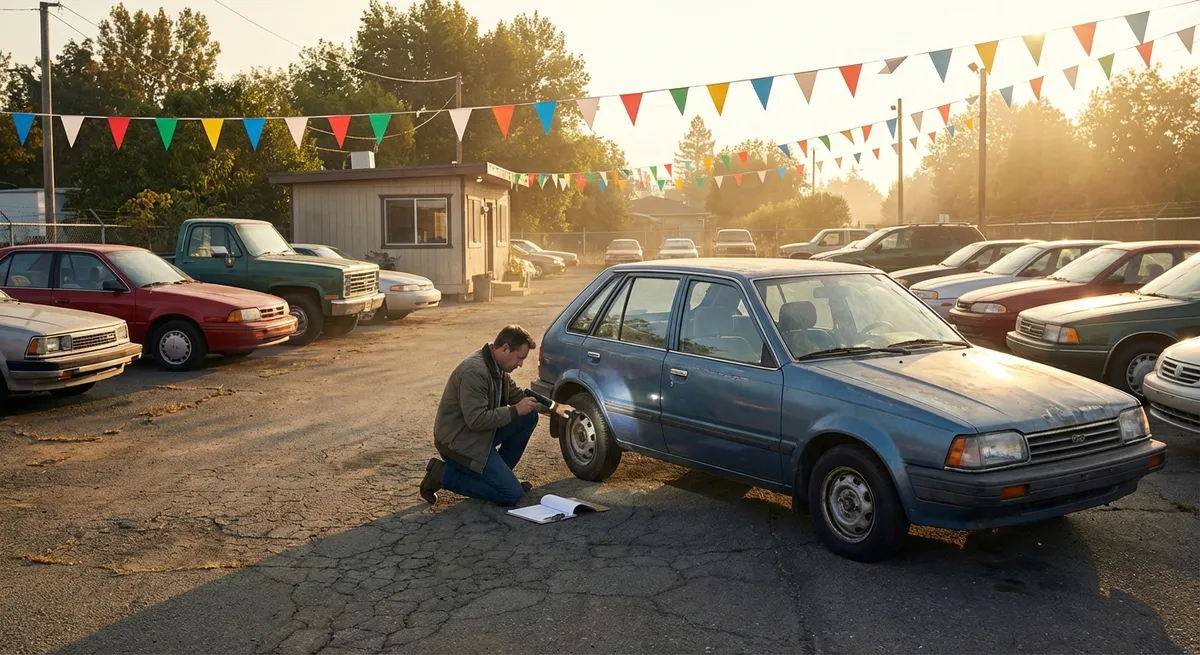
Shopping for a car can feel like a maze of trim levels, financing offers, and “today only” deals. But underneath the noise, there’s a clear path to getting a vehicle that fits your life, your budget, and your long-term plans. With a bit of prep and a few smart moves at the right moments, you can shift the experience from stressful to strategic.
This guide walks you through practical, consumer-focused steps you can use whether you’re buying new, used, or certified pre-owned. The goal: drive away confident you bought the right car for the right reasons—without overpaying.
Start With Your Real Life, Not the Sticker Price
Before you open a single listing or walk into a dealership, step back and define what you actually need your next vehicle to do.
Think through your daily and weekly reality: How many people do you regularly drive? How long is your commute? Do you park on the street, in a small garage, or in a driveway? Do you tow, haul, or frequently drive in snow, heavy rain, or on unpaved roads? Your answers quickly narrow your choices in a way that ads and “deals” never will.
Prioritize function before features. For example, if you have a long commute, fuel efficiency and seat comfort may matter more than a panoramic sunroof or premium audio. If you live in a dense city, a compact footprint and good visibility may save you money and headaches over time. Families might prioritize safety ratings, rear-seat space, and cargo flexibility over high horsepower.
Once you’ve sketched your “must-have” and “nice-to-have” lists—seating, cargo, drivetrain, budget range, ownership length—you’ll be able to evaluate specific models with a clear lens. This prep also makes you far less vulnerable to upselling and impulse decisions on the lot.
Practical Tip #1: Create a non-negotiable checklist (safety features, space, fuel type, budget, drivetrain) and bring it with you to every dealership visit or private-seller meeting. If a car fails that checklist, you walk away—no matter how persuasive the salesperson or how shiny the paint.
Decode Total Cost of Ownership Before You Fall in Love
The sticker price is only the beginning of what a vehicle will cost you. The real question is: what will this specific vehicle cost to own and operate over the next 5–10 years?
Start by looking at fuel or energy costs. For gas and diesel vehicles, compare combined mpg ratings and estimate your yearly mileage. For hybrids and EVs, factor in electricity rates, charging access, and any incentives. Insurance premiums can also vary substantially between seemingly similar models; get real quotes using the exact vehicle (year, trim, and VIN if possible) before you commit.
Don’t ignore maintenance, repair history, and expected depreciation. Some brands are known for lower repair costs and longer lifespans; others may have higher maintenance schedules or pricier parts. Check reliability ratings and common issues for the exact model generation you’re considering. Depreciation—how quickly the car loses value—matters if you plan to sell or trade in within a few years.
Financing is another part of total cost many buyers underestimate. A low monthly payment can hide a longer loan term and much higher interest charges. Always ask for the full cost of the loan over its life, and compare offers from banks, credit unions, and the dealer.
Practical Tip #2: Build a simple total-cost worksheet that includes: purchase price, sales tax and fees, insurance estimate, fuel/charging cost estimate, annual maintenance, and loan interest. Comparing two or three vehicles side-by-side this way often makes the smartest choice obvious.
Use Data, Not Hype, to Evaluate Safety and Reliability
Automakers highlight safety features in advertising, but the marketing copy doesn’t tell you how a vehicle actually performs in independent tests—or how it holds up over time.
Start with crash-test results from reputable organizations. Look beyond the overall rating to specific categories like frontal crash, side impact, and rollover. Pay attention to the presence and performance of advanced driver-assistance systems (ADAS) such as automatic emergency braking, lane-keeping assistance, and blind-spot monitoring. These can significantly reduce crash risk when used correctly.
For reliability, dig into long-term owner data and expert analysis. Independent surveys, recall histories, and model-specific forums can reveal patterns in engine issues, transmission failures, or costly electronic glitches. If you’re considering a used vehicle, check for open recalls and confirm they’ve been addressed.
Safety technology is also evolving quickly. A slightly newer model year may offer substantially better collision-avoidance systems or structural improvements. For families, also look at child-seat compatibility and ease of installing car seats in the back row.
Practical Tip #3: Make safety and reliability your tie-breakers. If two vehicles are similar in price and features, choose the one with stronger independent crash-test ratings and better reliability data—even if it means skipping a “luxury” feature.
Treat the Test Drive Like an Inspection, Not a Joyride
A smart test drive is one of your strongest tools for making a good decision. It’s not about seeing how fast the car goes; it’s about checking how it behaves in the situations you face every day.
Start even before you drive: check visibility in all directions, adjust the seat and steering wheel, and confirm that you can comfortably reach controls. Test entry and exit for all doors, including rear seats, especially if you have children, older passengers, or mobility concerns. Open the trunk or hatch and confirm it can handle your regular cargo—strollers, sports gear, work equipment, or groceries.
On the road, make sure you experience city speeds, a stretch of highway, and at least one rough or uneven surface. Listen for unusual noises, vibrations, or rattles. Check braking feel, steering response, and how the vehicle behaves during lane changes and merging. Test the infotainment system’s ease of use—especially if you’ll use navigation or smartphone integration daily.
For used vehicles, a pre-purchase inspection (PPI) by an independent mechanic is strongly recommended, even if the test drive feels fine. A PPI can uncover hidden issues like frame damage, fluid leaks, or poorly repaired accident damage that might not show up right away.
Practical Tip #4: Bring a short test-drive checklist (visibility, comfort, noise, braking, steering, tech usability, parking ease). Take notes immediately afterward, especially if you’re driving multiple vehicles in the same day—details blur faster than you think.
Negotiate the Whole Deal, Not Just the Monthly Payment
Once you’ve found a vehicle that fits your needs, the structure of the deal can either cement your smart choice or quietly undermine it.
First, separate the key pieces of the deal: purchase price, trade-in value, financing terms, and extras (extended warranties, protection packages, accessories). When you negotiate everything at once, it’s easy for a discount in one area to be offset by a markup in another. Focus on getting to a fair out-the-door price—what you actually pay including taxes and fees—rather than only worrying about the sticker.
Avoid framing the conversation around “What monthly payment are you looking for?” That question can lead to longer loan terms and higher total cost. Instead, negotiate the purchase price first. Once that’s set, then discuss financing and add-ons. Bringing a pre-approved loan from a bank or credit union gives you leverage and a benchmark to compare the dealer’s offer.
Read every document before signing, and double-check that no unwanted add-ons snuck into the contract. Don’t hesitate to walk away if you feel pressured or if the numbers stop matching what you agreed to verbally. There will always be another vehicle; fixing a bad contract is much harder than finding a different car.
Practical Tip #5: Anchor on the out-the-door price, not just discounts. Ask for a written quote that spells out sales price, taxes, fees, and any add-ons. Use that to compare offers between dealers and keep negotiations focused and transparent.
Conclusion
A car is one of the biggest purchases most people make, and the cost of a rushed or emotional decision can follow you for years. But when you ground your search in your real needs, total cost of ownership, safety and reliability data, thorough test drives, and clear-eyed negotiation, you dramatically shift the balance of power in your favor.
Instead of wondering whether you could have done better, you’ll know why you chose this vehicle, what it will cost you, and how it fits your life. That confidence is worth just as much as any discount on the sticker.
Sources
- U.S. Department of Energy – Fuel Economy Guide - Official fuel economy data and tools to estimate annual fuel costs for specific vehicles
- National Highway Traffic Safety Administration (NHTSA) – Vehicle Safety Ratings - Independent crash-test ratings and safety information for cars, SUVs, and trucks
- Insurance Institute for Highway Safety (IIHS) – Ratings - Detailed crashworthiness and crash-avoidance ratings, plus safety feature evaluations
- Consumer Reports – Car Reliability & Owner Satisfaction - Research-based reliability, owner satisfaction, and road-test data for a wide range of vehicles
- Federal Trade Commission (FTC) – Buying a Used Car - Government guidance on inspections, contracts, and avoiding common car-buying pitfalls
Key Takeaway
The most important thing to remember from this article is that this information can change how you think about Autos & Vehicles.