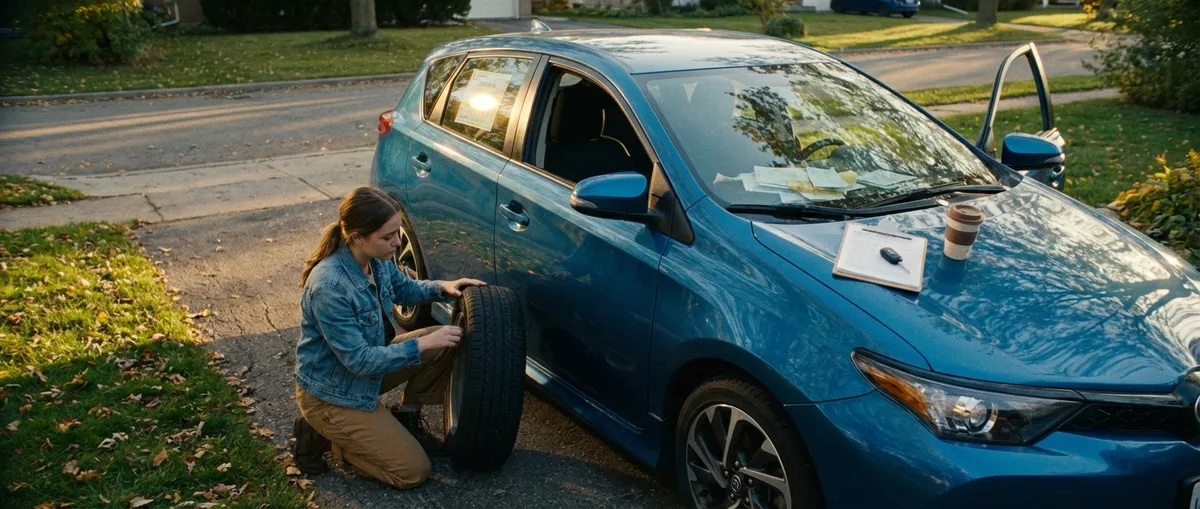
# From Test Drive to Title: A Practical Roadmap for Your Next Vehicle Buying a car isn’t just about horsepower and monthly payments—it’s a long-term decision that affects your budget, safety, and daily stress levels. With conflicting advice from dealers, friends, and the internet, it’s easy to end up overwhelmed or, worse, overpaying. This guide breaks the process into clear, practical steps so you can move from “I need a car” to “This was the right choice” with confidence. Along the way, you’ll find five concrete, consumer-focused tips you can apply whether you’re buying new or used, from a dealer or a private seller. ## Start With Your Real Life, Not the Sticker Price Before you open a listing site or visit a lot, anchor your decision in how you actually live—not in what looks like a good deal. Think about your daily and weekly routine: commute length, parking situation, passengers, climate, and typical cargo. A compact car that’s perfect for city parking may be a nightmare if you regularly haul sports gear for three kids. On the other hand, a full-size SUV might feel “safe” but cost you hundreds extra every month in fuel and insurance if you mainly drive solo in traffic. Also map out how long you plan to keep the vehicle. If you typically drive cars for 8–10 years, reliability and long-term maintenance costs matter more than short-term incentives. If you tend to change vehicles every 3–4 years, resale value and depreciation should carry more weight. Practical tip #1: Define your “must-have” and “nice-to-have” list before you shop. List 5–7 non-negotiables (e.g., top safety ratings, backup camera, Android Auto/Apple CarPlay, enough cargo space for a stroller, good fuel economy) and a separate “nice-to-have” column (heated seats, premium audio, sunroof). This simple filter keeps test drives and online searches focused on what truly matters for your life, not what’s sitting on the lot. ## Look Beyond the Price Tag: Total Cost of Ownership The purchase price or monthly payment is only part of what you’ll actually spend on a vehicle. Two cars with similar prices can have dramatically different long-term costs due to insurance, fuel, maintenance, taxes, and depreciation. Fuel economy alone can add up: a difference of just 5–7 miles per gallon may cost you hundreds per year if you commute daily. Insurance can also vary widely by model, even within the same brand, because of safety records, repair costs, and theft rates. Some vehicles need premium fuel; others have expensive tires or more complex transmissions that cost more to service. Practical tip #2: Calculate a realistic 5-year total cost before you decide. Use a combination of: - An insurance quote for the exact model and year you’re considering - EPA fuel economy data and your estimated annual mileage - Brand/model reliability reports (to estimate likely repair costs) - Local tax/registration fees Add those to your projected monthly payment. A car that looks “cheaper” on paper can turn out to be more expensive than a slightly higher-priced model with better fuel economy, lower insurance, and stronger reliability. ## Use Data, Not Gut Feeling, to Compare Options The auto market is full of marketing language—“sport,” “premium,” “limited,” “off-road”—that doesn’t always translate into real-world value. To get past the buzzwords, you need objective data: safety scores, reliability ratings, recalls, and real owner feedback. Crash-test ratings from reputable testing agencies can help you rule out models that underperform in critical safety areas. Reliability reports based on large sample sizes are more trustworthy than a few online reviews (which often skew negative). Checking for recalls and known issues on specific model years can save you from buying a vehicle with a history of expensive or dangerous problems. Practical tip #3: Narrow your shortlist using safety and reliability first, then features. For each car on your shortlist:
Key Takeaway
The most important thing to remember from this article is that this information can change how you think about Autos & Vehicles.