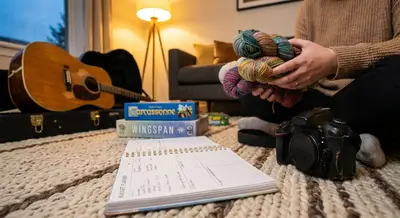
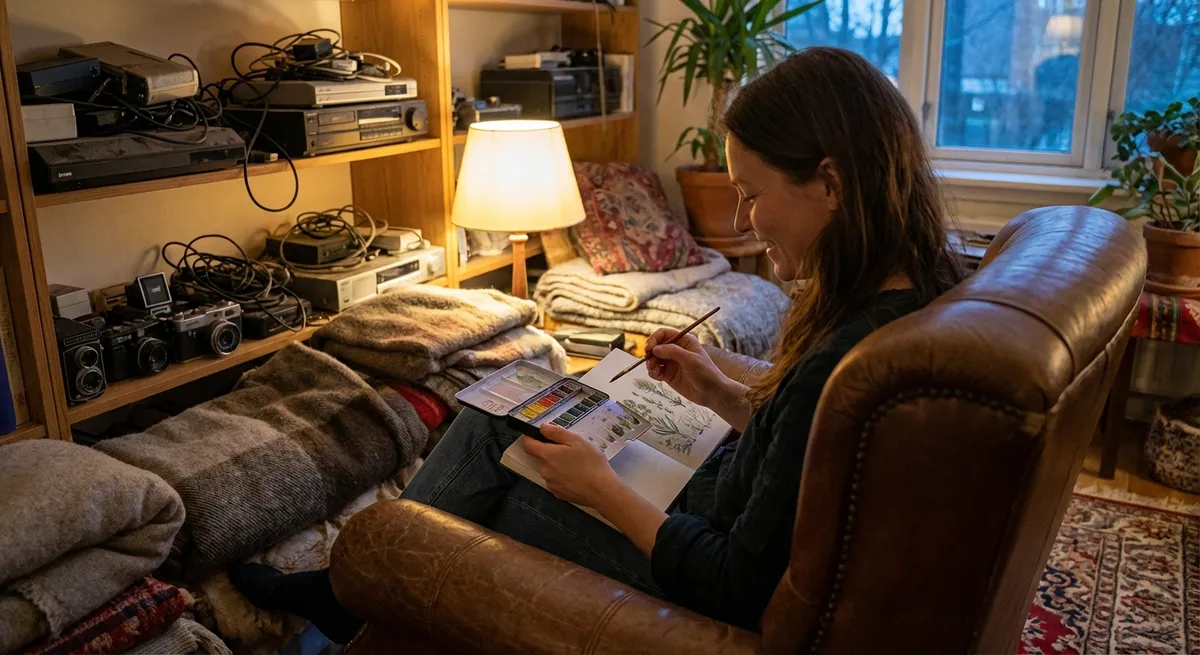
Free time is limited, which makes what you buy for it surprisingly important. The right gear, memberships, or materials can turn an ordinary evening into something you look forward to. The wrong ones end up in the closet, still in the box, quietly reminding you of money wasted.
This guide focuses on making smarter, more intentional purchases for hobbies and leisure—so what you buy actually gets used, enjoyed, and appreciated. You’ll find five practical, consumer-focused tips you can apply whether you’re getting into photography, tabletop games, crafting, outdoor sports, music, or any other pastime.
Start With Experiences, Not Equipment
Before buying gear, it helps to understand what you actually enjoy about a hobby. Many people buy expensive equipment first and only later realize they don’t like the real, day-to-day experience of the activity.
Whenever possible, “borrow the experience” before buying:
- Try rentals and day passes. For things like kayaking, skiing, climbing, or cycling, rental shops and day passes let you test the activity with minimal commitment. If you love it, you’ll feel better about investing in good gear later.
- Test in low-cost environments. Libraries, makerspaces, community centers, and local clubs often lend tools, instruments, craft kits, or board games. You can explore without filling your home—or emptying your wallet.
- Join beginner-friendly sessions. Intro classes (dance, pottery, coding, photography, etc.) expose you to real workflows and routines, not just the “Instagram version” of the hobby. You’ll learn if you enjoy the process, not just the idea.
- Watch process-focused content, not just reviews. Look for creators who show unedited practice sessions, mistakes, and the “boring” parts. If that still looks appealing, you’re on the right track.
- Take notes on what frustrated you. Was it physical strain, complexity, mess, noise, or time commitment? These observations guide what you do—or don’t—need to buy next (e.g., quieter gear, simpler tools, protective equipment, better storage).
By testing the experience first, your purchases shift from “maybe I’ll become this person” to “this is something I already enjoy doing; now I’m buying to do it better.”
Match Your Gear to Your Actual Lifestyle
Marketing often sells us a fantasy version of ourselves: the ultra-dedicated cyclist, the daily painter, the marathon gamer. Your best purchases, however, are the ones that fit into your actual life—your schedule, your home, your energy levels, and your budget.
Think through a few practical lenses before buying:
- Time reality check. How many hours per week can you truly commit? A hobby with 2–3 hours weekly available calls for simpler, lower-maintenance gear than something you’ll do every day.
- Space and storage. Large items like instruments, fitness machines, crafting tables, and sports equipment need permanent or well-organized storage. If that space doesn’t exist, you may use them less than you hope.
- Noise, mess, and neighbors. Power tools, drums, gaming setups, and some exercise gear can affect other people in your home or building. If you’ll constantly worry about disturbing others, you may avoid using it.
- Setup friction. The more steps required to start (unpacking, assembling, clearing a space), the less often you’ll use it. Gear that is ready to use in under five minutes tends to get the most action.
- Ongoing costs. Some hobbies (3D printing, certain crafts, photography, gaming subscriptions, golf) have recurring costs. Budget for these, not just the initial purchase, so your gear doesn’t become unusable after a month.
When you honestly match purchases to your real lifestyle, you end up owning fewer things that “look serious” and more things that actually get used.
Use the “Starter Setup” Strategy, Not the “Forever Setup”
A common trap is trying to buy the “perfect,” long-term setup on day one. This often leads to overbuying features you don’t understand yet—or underbuying in the wrong areas because you’re trying to save in the short term.
A smarter approach is to think in terms of starter setups:
- Define a clear starting scope. For example, instead of “everything for a perfect home craft studio,” focus on “everything needed to complete three beginner projects.”
- Buy quality where it affects safety and comfort. For sports (helmets, shoes), tools (sharp blades, stable work surfaces), and tech (power supplies, surge protectors, ergonomic gear), don’t cheap out. Discomfort or risk will make you quit.
- Go basic on optional extras. Cases, decorative accessories, advanced add-ons, or niche attachments can wait. Many people never end up needing half the extras they buy at the beginning.
- Set a “learning checkpoint.” After a set period (e.g., one month or 20 sessions), review what you’ve actually used and what limited you. Upgrade intentionally based on real experience, not speculation.
- Prioritize items that keep doors open. A versatile lens, a multi-purpose tool, or a modular gaming or craft setup gives you room to grow without locking you into one narrow style or workflow.
This staged purchasing keeps your first spending focused and flexible. It also prevents buyer’s remorse if you discover the hobby isn’t for you after all.
Read Reviews Differently: Look for Use Patterns, Not Just Ratings
Online reviews are useful, but they’re often read in a way that leads to more confusion and impulsive buys. Instead of focusing only on star ratings or one or two strong opinions, look for patterns of use and context.
When researching hobby and leisure purchases, pay attention to:
- Who is the reviewer? A professional photographer or e-sports player has very different needs than a casual beginner. Filter for reviewers with goals and experience levels similar to yours.
- Complaints about usability and setup. Difficulty with assembly, complicated interfaces, vague instructions, or confusing software can matter more than minor technical flaws—especially for beginners.
- Durability and failure points. Search reviews for words like “broke,” “stopped working,” “after six months,” or “replacement.” Repeated mentions of the same issue suggest a real reliability concern.
- Return and support experiences. Even good products sometimes have problems. Brands with responsive support, clear warranties, and easy returns protect your purchase decision.
- Real photos and videos. User-uploaded images and clips reveal actual size, build quality, noise level, and how the item fits into everyday spaces—helpful for instruments, fitness gear, furniture, or decor.
By reading reviews for patterns in how people use, maintain, and live with the product, you’ll make choices that feel better long after unboxing.
Build a “Try Before You Commit” Habit
Instead of seeing each purchase as a one-time, irreversible decision, treat your hobby buying as a series of experiments. The more you normalize testing, borrowing, and adjusting, the less pressure you’ll feel to get everything perfect right away.
Practical ways to build this habit:
- Borrow from friends or local communities. Many hobbies have built-in cultures of sharing—board game groups, book clubs, music circles, maker meetups, climbing or cycling communities. Use that network before you buy your own of everything.
- Use libraries and community resources. Modern libraries increasingly lend more than books: tools, sports equipment, instruments, craft kits, even museum passes. This is ideal for exploring interests with kids or trying seasonal activities.
- Look for trial periods and flexible returns. When buying bigger items (headphones, instruments, exercise equipment, ergonomic chairs), choose retailers or brands with clear return windows and reasonable restocking terms.
- Start with secondhand or refurbished. Used gear is excellent for “Phase 1” of a hobby. If you stick with it, you can upgrade later; if you don’t, you can often resell with minimal loss.
- Set a spending cap for new hobbies. Decide in advance what you’re willing to spend to “test-drive” a new hobby (for example, “$150 maximum until I’ve completed 10 sessions or projects”). This keeps exploration fun instead of stressful.
When experimentation is built into your process, you’ll feel freer to explore new interests without the guilt of underused, overpriced equipment collecting dust.
Conclusion
Your hobbies and leisure time deserve more than impulse buys and aspirational shopping. When you start with real experiences, match your purchases to your actual life, think in terms of starter setups, read reviews for real-world use, and build a habit of trying before committing, you dramatically increase the odds that what you buy will be used, loved, and worth the money.
You don’t need the biggest budget or the latest gear to have a deeply satisfying hobby life. You just need to align your purchases with how you genuinely like to spend your time—and let your real enjoyment, not just marketing, guide what comes home with you.
Sources
- U.S. Bureau of Labor Statistics – American Time Use Survey – Provides data on how people actually spend leisure and sports time, helpful for assessing realistic time budgets for hobbies.
- Harvard Business Review – “The Power of Experiments” – Discusses experimentation in decision-making, supporting the idea of treating early hobby purchases as tests.
- Consumer Reports – How to Shop Smart and Avoid Buyer’s Remorse – Offers guidance on smarter purchasing and evaluating products and reviews.
- MIT Sloan Management Review – How Online Ratings Influence Buying Decisions – Explores the dynamics of online reviews and how consumers should interpret them.
- American Library Association – Libraries Transforming Communities – Highlights how libraries provide access to tools, media, and community resources beyond books, relevant to “try before you buy” strategies.
Key Takeaway
The most important thing to remember from this article is that this information can change how you think about Hobbies & Leisure.