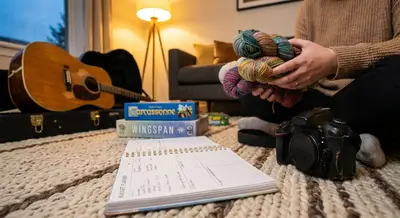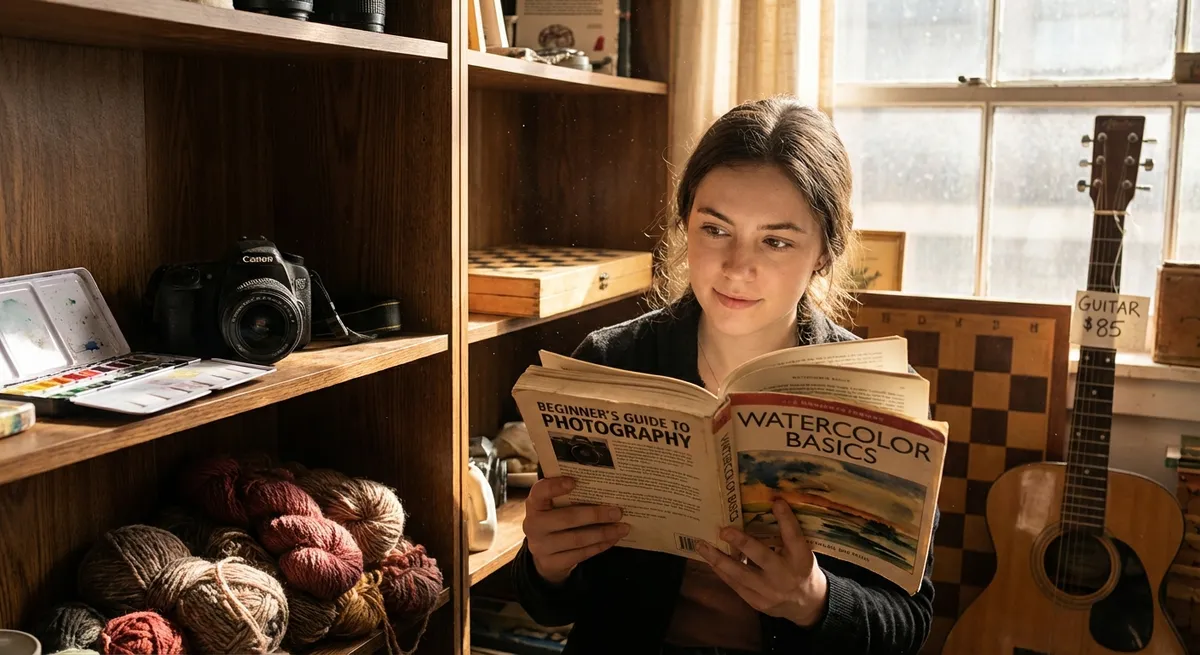
Trying a new hobby can feel like walking into a candy store with a credit card and no plan. Between YouTube pros showing off high-end gear and “beginner bundles” that quietly add up to hundreds of dollars, it’s easy to overspend before you even know if you’ll enjoy the activity. This guide walks you through how to test-drive hobbies, buy gear wisely, and avoid common money traps—so you can actually enjoy your free time instead of regretting your cart.
Start With the “Minimum Viable Hobby”
Before you invest heavily, treat every new hobby like an experiment, not a lifestyle shift.
Instead of building the perfect setup, focus on the minimum you need to participate safely and meaningfully. For example, in photography that might be a used entry-level camera and a single lens; in cycling, a basic but properly sized bike and a helmet. This “minimum viable hobby” approach keeps your initial cost low while giving you a realistic feel for the activity.
A good test: ask yourself, “If I lost interest in three months, would this purchase still feel okay?” If the answer is no, scale back. Choose gear that you can resell or repurpose and avoid anything so specialized that it only makes sense for long-term, heavy use. You’re buying permission to explore, not a lifetime commitment on day one.
Tip 1: Borrow, Rent, or Share Before You Buy
The fastest way to waste money on hobbies is to buy new equipment for something you’ve never tried.
Look for ways to access gear without owning it at first. Many local libraries now loan out items like sewing machines, cameras, telescopes, and even musical instruments through “library of things” programs. Community centers, maker spaces, and climbing gyms often rent equipment at low daily rates so you can test different brands and sizes.
Ask friends or family if they have unused gear you can borrow—many people are happy to see their forgotten guitar, yoga blocks, or camping stove finally get used. Even a single weekend with borrowed or rented gear can teach you what features actually matter to you and which “must-haves” are just marketing. Once you’ve tried the activity a few times and still want to keep going, then it makes more sense to start comparing ownership costs.
Tip 2: Buy Used Strategically—Know What’s Safe and What’s Not
Secondhand gear can cut costs dramatically, but some items are smarter to buy used than others.
Durable goods like hand tools, beginner cameras, tripods, books, puzzles, board games, and many musical instruments are often excellent secondhand buys. Their performance doesn’t degrade much with age if they’ve been well cared for. For example, a used mid-range acoustic guitar may play as well as a new budget one, often at a lower price.
On the flip side, safety and wear-sensitive items should be chosen with more caution. Helmets, climbing gear, bike frames, and certain electrical items may hide damage you can’t easily see. When buying used, research typical lifespan and failure points for that category, and check serial numbers or recall lists when possible. Meet sellers in daylight, ask to test items, and trust your instincts—if the condition or story feels off, walk away. Smart secondhand shopping is about value, not just price.
Tip 3: Start With Core Skills, Not Fancy Accessories
Many hobbies have a huge accessory ecosystem—specialty brushes for painting, modifiers for cameras, exotic coffee grinders, custom keyboard switches, and so on. It’s easy to assume you’ll enjoy the hobby more if you buy all the “right” extras up front.
In practice, your enjoyment usually comes from skill progress, not from marginal gear upgrades. Focus your early spending on the few items that directly affect your ability to practice consistently and comfortably. A comfortable chair and good lighting can matter more for drawing or model building than premium pens or paints. For runners, correctly fitted shoes and moisture-wicking socks are more important than a high-end smartwatch.
Once you have the basics, give yourself a skill-building period before buying add-ons. For example, commit to 20 hours of practice or four weeks of regular sessions. During that time, make a simple list: “What’s genuinely limiting me right now—my skill, my time, or my gear?” Only buy new items when gear is clearly the bottleneck, not just because it’s exciting or on sale.
Tip 4: Compare Long-Term Costs, Not Just the Entry Price
Some hobbies are cheap to start but expensive to maintain; others have a higher upfront cost but low ongoing expenses.
For example, baking at home requires ingredients and tools you can reuse; the main recurring cost is groceries you’d buy anyway. Golf or skiing, on the other hand, might involve course fees, lift tickets, travel, and seasonal passes even after you own basic equipment. Tabletop gaming, painting miniatures, and model railroading can become “collection” hobbies with frequent small purchases that quietly add up over time.
Before you dive in, sketch out a simple cost picture: startup (gear, classes, memberships) and ongoing (supplies, fees, upgrades, travel). Check local clubs or forums to see what typical participants actually spend per month or per season. If a hobby you’re considering has high recurring costs, ask yourself whether a lower-cost variant would scratch the same itch—like hiking instead of skiing, or digital drawing instead of physical media. A hobby that fits your budget long-term is more sustainable and less stressful.
Tip 5: Set a Hobby Budget and Use “Trial Period” Checkpoints
An enjoyable hobby shouldn’t feel like a financial black hole.
Decide in advance how much you’re willing to spend in the first 1–3 months and treat that as a capped “experiment budget.” This could be a fixed dollar amount (say, $100 for trying out home brewing) or a monthly limit you won’t exceed. Keep a simple note on your phone where you log what you bought and what you actually used; this helps you see patterns and avoid buying duplicates or forgettable extras.
Build in checkpoints: after your first few sessions and again after a month or two, pause and review. Are you actually using what you bought? Do you still feel excited, or are you forcing yourself to justify the purchases? It’s okay to pivot or walk away—the money you spent bought you experience and clarity, which is still valuable. If the hobby sticks, you can thoughtfully increase your budget and upgrade gear based on real needs, not assumptions.
Conclusion
Trying new hobbies is one of the best ways to make your free time more meaningful, but it doesn’t have to come with buyer’s remorse. Start small with a “minimum viable” setup, borrow or rent to explore, favor used gear where it’s safe, invest in core comfort and skills first, and keep an eye on long-term costs with a clear budget. When you approach hobbies like this, your purchases support your curiosity instead of controlling it—and you’ll be far more likely to find activities that genuinely fit your life, your interests, and your wallet.
Sources
- Consumer.gov – Managing Your Money - Practical guidance on budgeting and spending decisions from a U.S. government site
- University of Illinois Extension – Spending Plans That Work - Explains how to create realistic spending limits you can apply to hobby budgets
- Federal Trade Commission – Shopping Online - Tips for safer purchasing when buying hobby gear from online marketplaces
- Harvard Business Review – The Psychology Behind “Buy Experiences, Not Things” - Discusses why experiences (like hobbies) often provide more satisfaction than physical purchases
- REI Co-op – Used Gear Guide - Detailed advice on what’s smart to buy secondhand and how to evaluate condition, especially for outdoor hobbies
Key Takeaway
The most important thing to remember from this article is that following these steps can lead to great results.