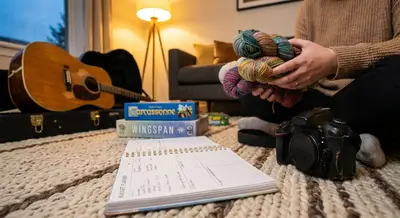

Free time feels rare, so what you buy for your hobbies matters. The right gear can make your weekends richer, calmer, or more exciting. The wrong picks collect dust, clutter your home, and drain your budget. This guide helps you choose hobby and leisure items you’ll actually use—and enjoy—without overspending or getting lost in hype.
Start With How You Really Spend Your Time
Before adding anything to a cart, look at your actual lifestyle, not your ideal one.
Think about the last three weekends. Did you mostly stay indoors, go outdoors, see friends, or stay solo? Your real patterns hint at what gear you’ll use most. If you mainly relax at home after work, investing in cozy reading tools, puzzle sets, or streaming accessories might bring more value than expensive camping gear you’ll pull out once a year. On the other hand, if your calendar is full of hikes or local sports leagues, higher-quality outdoor essentials may be worth the cost.
Also consider your energy level and schedule. A hobby that demands hours of uninterrupted focus might not fit a busy life right now, while small, “pick up and put down” hobbies like sketching, journaling, or handheld games may blend better with unpredictable days. Matching purchases to your real rhythm is the foundation of smarter leisure spending.
Test the Hobby Before You Buy the Gear
One of the simplest ways to save money on hobbies is to delay big purchases until you’ve tested your interest.
Look for low-commitment ways to try new activities: borrow equipment from a friend, rent gear from a local shop, or join a beginner class that provides everything you need. Many community centers, libraries, and clubs offer access to musical instruments, crafting tools, or sports equipment so you can explore without a big upfront cost. This trial phase tells you whether the activity fits your attention span, learning style, and budget.
If you enjoy it enough to keep going, you’ll also have a clearer idea of what features actually matter to you. For instance, a few trial rock-climbing sessions might show you that comfort in shoes matters more than brand name, or early photography experiments could reveal that you care more about low-light performance than having multiple lenses. Testing first shrinks the risk of “aspirational buys” that you regret later.
Practical Tip #1: Use a “30-Day Trial” Rule
When you’re drawn to a new hobby, commit to 30 days of exploring it with free or low-cost tools before buying premium gear. If you’re still engaged after a month, you’re more likely to use what you buy.
Focus on Starter Gear, Not “Forever Gear”
It’s easy to believe you should “buy once, cry once” and go straight for top-tier equipment. But with hobbies, starter gear often makes more sense.
When you’re new, you don’t yet know your preferences. An entry-level guitar, camera, or sewing machine that’s comfortable and reliable is usually enough to learn skills and build habits. You can always upgrade after you’ve outgrown the basics and understand what truly justifies a higher price—such as durability, performance, or specialized features. This gradual approach spreads costs over time and helps you avoid expensive items that don’t match how you actually use them.
Pay special attention to maintenance requirements, too. Leisure equipment that needs frequent servicing, proprietary parts, or specialized care can be more expensive over its lifetime than a simpler, slightly less advanced alternative. For many people, gear that is “good enough and easy to live with” delivers more long-term enjoyment than professional-grade tools.
Practical Tip #2: Set a Clear Starter Budget
Decide in advance what you consider a reasonable “learning budget” for each new hobby—an amount you’re willing to spend knowing you might not continue. Stay within that limit for your first purchases.
Read Reviews With a “People Like Me” Filter
Online reviews can be powerful for hobby purchases—but only if you read them strategically.
Look for reviews from people who sound similar to you in experience and goals. A professional gamer’s review of a high-end monitor, or a seasoned backpacker’s opinion of an ultralight tent, may not reflect what a casual user actually needs. Filter for comments from beginners or “weekend users” if that’s where you are. These reviewers often mention comfort, ease of setup, learning curves, and value for money—factors that matter more than small performance gains.
Pay attention to common complaints: recurring issues like fragile zippers, poor battery life, or confusing instructions are red flags. Also compare reviews across multiple sites rather than relying on a single platform. A product praised on a brand’s website might receive more balanced feedback on independent retailers or forums. Cross-checking keeps you from being swayed by edited testimonials or sponsored hype.
Practical Tip #3: Read the Middle Reviews First
Instead of only 5-star or 1-star ratings, read several 3–4 star reviews. They tend to highlight both strengths and weaknesses and give you a more realistic sense of what living with the product is like.
Prioritize Comfort, Storage, and Setup Over Flash
For leisure items, the “feel” of using and living with them often matters more than technical specs.
Comfort is especially important for hobbies that involve sitting, standing, or holding equipment for long periods: think chairs for gaming or reading, yoga mats, knitting needles, or controllers. Slightly more ergonomic gear can keep you from abandoning a hobby due to strain or discomfort. When possible, test key items in person—sit in the chair, hold the racket, wear the headphones—to see how they feel in real use.
Space and setup are just as critical. Large, awkward items that are hard to store or difficult to assemble tend to be used less, no matter how good they are on paper. Before buying, visualize where it will live in your home and how long it takes to set up and pack away. If an activity requires 20 minutes of assembly every time, you may find yourself choosing easier options instead. The best leisure gear often becomes “invisible” in your life: easy to reach, quick to start, and simple to put away.
Practical Tip #4: Use the “Two-Minute Rule” for Setup
Aim for gear that you can set up or start using in about two minutes or less. The lower the friction, the more often you’ll reach for it instead of scrolling your phone.
Protect Your Budget With Simple, Repeatable Rules
Leisure spending can sneak up on you—a game here, a craft kit there, a subscription you forgot to cancel. A few simple rules help you enjoy hobbies without stressing your finances.
One approach is to create a dedicated “fun fund” or hobby envelope each month. Decide a fixed amount for leisure purchases, and let that guide your decisions. If you want something more expensive, save your fun fund for a few months instead of dipping into other categories. This turns big purchases into deliberate choices rather than impulses. It also makes “no” easier, because you’re saying “not this month” instead of “never.”
Subscriptions deserve extra attention. Streaming services, game passes, digital tools, and hobby boxes can silently drain money over time. Review them regularly and cancel those you’re not using enough. You can always re-subscribe later when your interest returns. Protecting your budget this way means you can say “yes” more confidently when a truly worthwhile purchase appears.
Practical Tip #5: Use a 24-Hour Pause for Non-Essential Buys
For leisure items you don’t urgently need, wait at least 24 hours before purchasing. If you’re still thinking about it and it fits your budget rules the next day, it’s more likely to be a satisfying buy.
Conclusion
Hobbies and leisure purchases should support your real life—not someone else’s idea of it. When you match gear to how you actually spend your time, test activities before investing heavily, and favor comfort and ease of use over hype, your money goes toward experiences you’ll repeat, not items you’ll forget. A few clear rules around budget and timing help you enjoy your free time more fully while keeping financial stress low. Over time, these habits turn your home into a place filled with tools you love reaching for, weekend after weekend.
Sources
- Consumer.gov: Managing Your Money - U.S. government guidance on budgeting and spending decisions
- Federal Trade Commission: Online Shopping and Reviews - Tips on evaluating online products and avoiding deceptive reviews
- Harvard Business Review: When to Splurge, When to Save - Research-backed perspective on making smarter spending choices
- REI Co-op Expert Advice - In-depth guides on choosing outdoor and recreational gear with a focus on fit and use
- MIT Sloan Management Review: The Psychology of Spending - Insight into how emotions influence purchasing and satisfaction over time
Key Takeaway
The most important thing to remember from this article is that this information can change how you think about Hobbies & Leisure.