
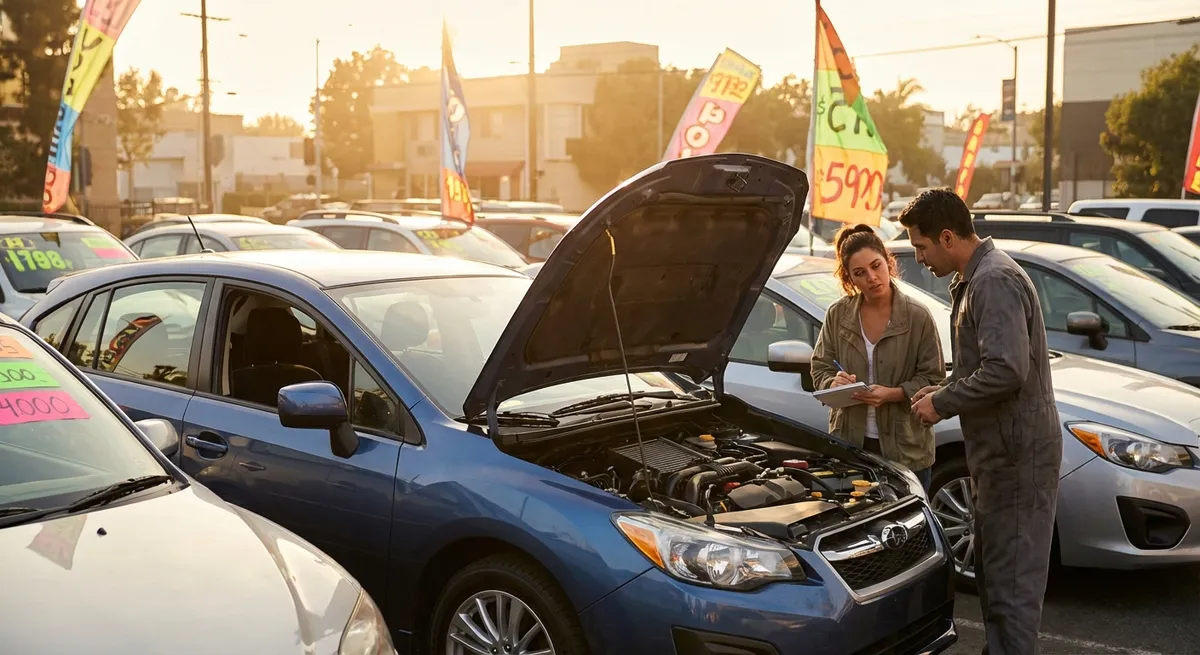
Walking into a dealership or browsing online listings can feel like stepping into a maze of prices, trims, fees, and “limited-time offers.” It’s easy to get overwhelmed—or worse, to overpay. But with a clear strategy and a few key habits, you can turn a stressful process into a confident, informed purchase that actually fits your life and budget.
This guide walks through how to think like a savvy car shopper, with five practical tips to help you avoid common traps and focus on long-term value, not just the paint color or monthly payment.
Start With Your Real-Life Needs, Not the Marketing
Before you fall in love with a specific model, start by defining what you actually need the vehicle to do day-to-day. Advertisements highlight performance, tech, and styling, but your checklist should focus on how the car will work in your real life.
Think about your typical driving: mostly city streets, highway commuting, or a mix? This affects fuel type, engine size, and whether advanced driver-assistance features will be especially useful. Consider passenger needs: do you regularly carry kids, car seats, or taller adults in the back? If so, rear legroom and cargo space matter more than a panoramic sunroof.
Don’t forget where you live. If you’re in a snowy or rural area, all-wheel drive and decent ground clearance might be more important than a sporty suspension. In dense cities, compact size and good visibility can matter more than power. Also reflect on your ownership habits: do you keep cars for 10+ years or trade in frequently? Long-term owners should prioritize reliability, repair costs, and warranty length.
Write down your must-haves (e.g., backup camera, good safety ratings, enough cargo room) and nice-to-haves (e.g., leather seats, built-in navigation). Use this list as a filter when browsing, so you’re less likely to get upsold into features that look cool but don’t actually improve your daily driving.
Look Beyond the Sticker: Total Cost of Ownership
The price on the windshield is only one piece of what the car will really cost you. A smart purchase accounts for total cost of ownership: all the expenses you’ll face over the life of the vehicle, not just the down payment and monthly installment.
Fuel economy is a big one. A car that’s $3,000 cheaper up front but gets significantly worse mileage could cost you more over a few years of commuting. Insurance is another overlooked factor; some models (especially performance or luxury trims) can be surprisingly expensive to insure, while others qualify for discounts thanks to strong safety ratings and lower repair costs.
Maintenance and repair costs vary widely between brands and models. Some automakers offer free scheduled maintenance for a few years, while others don’t. Parts availability, typical repair complexity, and brand reliability all influence how much you’ll spend after the warranty expires. Depreciation—the rate at which the car loses value—matters too if you might sell or trade in within 3–7 years. A slightly higher purchase price can be smarter if the model holds its value better.
Use online calculators and reliability data to estimate these costs before you commit. When you compare options, think in terms of “cost per year of ownership” instead of just “price today.” That mindset shift alone can steer you away from flashy but expensive-to-own vehicles toward solid, budget-friendly choices that quietly save you thousands.
Five Practical Tips for Smart Car Purchasing
These five concrete habits can help you avoid pressure, spot better deals, and protect your wallet.
1. Separate the car price from the monthly payment.
Salespeople may try to focus on “what monthly payment are you comfortable with?” Instead, negotiate the total out-the-door price (including taxes and mandatory fees). Extending the loan term can make almost any price look affordable month-to-month while silently adding thousands in interest. Decide your budget based on total cost, then see what loan terms match—never the other way around.
2. Get preapproved financing before you shop.
Talk to your bank, credit union, or an online lender to get a preapproval offer. This gives you a clear interest rate and maximum loan amount before you set foot in a dealership or click “chat now” on a listing. Preapproval strengthens your position: you can treat any dealer financing as an offer to beat, rather than a lifeline. It also helps you see quickly if the “low monthly payment” they’re pitching is actually based on a high interest rate or long term.
3. Research prices and incentives in your area.
Before visiting a seller, look up actual transaction prices for the models you’re considering in your region, not just the MSRP. Check for manufacturer rebates, loyalty bonuses, or special programs for students, military, or first-time buyers. When you know the going rate and current incentives, it’s much easier to spot when a quote is inflated—or when a deal is genuinely competitive.
4. Slow down the add-ons conversation.
Extended warranties, paint protection, fabric coatings, and “security packages” are high-profit add-ons for sellers. Some may be worthwhile in specific situations, but many are overpriced compared with getting similar coverage or protection elsewhere. Ask for take-home paperwork listing each add-on, its full cost, and what’s actually covered. Don’t be afraid to say you’ll decide after you compare options on your own time. A smart rule: if you weren’t thinking about it before walking in, it’s rarely an urgent must-have.
5. Always inspect and test thoroughly—never skip the drive.
Photos and spec sheets can’t reveal everything. Test drive on roads similar to your normal routes (highway, stop-and-go, hills if possible). Pay attention to visibility, seat comfort, noise levels, and how intuitive the controls feel. For used cars, arrange an independent pre-purchase inspection from a trusted mechanic, especially for out-of-warranty vehicles. The cost of an inspection is small compared with the price of a surprise transmission or engine repair.
Use Timing, Market Conditions, and Vehicle History to Your Advantage
While you shouldn’t buy a car you don’t need just because there’s a sale, timing can still work in your favor if you plan ahead. Inventory levels, model-year changes, and broader market conditions can all influence how negotiable prices are.
When new model years arrive, outgoing-year vehicles often see deeper discounts—even if the changes are minor. If you don’t care about having the absolute latest version, this can be a chance to get more car for the money. Likewise, if fuel prices are high, demand for efficient models rises and large SUVs or trucks may be more negotiable; when fuel is cheaper, the opposite can be true.
For used vehicles, vehicle history is your best friend. Always check a reputable history report to see title status, prior accidents, ownership patterns, and odometer consistency. Lease returns and off-lease certified pre-owned cars can offer a good balance of lower price and recent model year, but still compare their warranties, mileage, and condition against non-certified options.
Also consider how long the specific vehicle has been on the lot. Listings that have sat for weeks or months may give you more negotiating room. Use online listing history tools, and don’t hesitate to ask why a vehicle has been in stock so long—sometimes there’s a benign explanation (like a slow local market); other times, it reveals issues you’d want to avoid.
Understand Modern Safety and Tech Without Overpaying
Today’s cars bundle advanced technology into trim levels and option packages, and it’s easy to overspend chasing features you’ll barely use—or underspend and miss out on genuinely valuable safety tools. A balanced approach is to understand which features contribute most to everyday safety and convenience, then prioritize those over purely cosmetic or novelty tech.
Active safety features like automatic emergency braking, blind-spot monitoring, lane-keeping assistance, and rear cross-traffic alerts can significantly reduce crash risk in many driving environments. Look up crash-test ratings and the availability of these systems on the trims you’re considering, rather than assuming they’re standard on every version of a model.
For infotainment, think about how you actually use your phone. If you rely on apps like Google Maps or Spotify, compatibility with Apple CarPlay or Android Auto may be more important than built-in navigation. Often, mid-level trims hit the sweet spot with essential safety tech and connectivity, without forcing you to pay for premium audio, large wheels, or cosmetic packages.
Before you commit to any tech-heavy model, also consider long-term software updates and repairability. Some brands are faster at issuing updates and keeping older systems supported; others may leave owners with dated interfaces after only a few years. Reading owner forums and professional reviews with a focus on technology aging can prevent frustration later.
Conclusion
A car is one of the largest purchases many people make—and one they live with every day. The goal isn’t to chase the “perfect deal” at all costs, but to buy with clarity: a vehicle that suits your life, fits your budget over the long term, and doesn’t come with unpleasant surprises hidden in the fine print.
When you define your needs clearly, focus on total cost of ownership, separate price from payment, and slow down around add-ons and pressure tactics, you shift the power balance in your favor. Add thoughtful timing, careful history checks, and smart choices about safety and tech, and you’ll be far better positioned to drive away confident that your purchase truly serves you—not the other way around.
Sources
- U.S. Department of Energy – Fuel Economy Guide - Official data on fuel economy and estimated fuel costs to compare vehicle options
- Insurance Institute for Highway Safety (IIHS) – Vehicle Ratings - Crash-test results and safety ratings to evaluate how different models protect occupants
- Consumer Financial Protection Bureau – Auto Loans - Guidance on auto financing, dealer practices, and how to compare loan offers
- NHTSA – Vehicle Safety Features - Explanations of modern safety technologies and what to look for in a new or used car
- FTC – Buying a Used Car - Government advice on inspections, vehicle history reports, and avoiding common used-car pitfalls
Key Takeaway
The most important thing to remember from this article is that this information can change how you think about Autos & Vehicles.