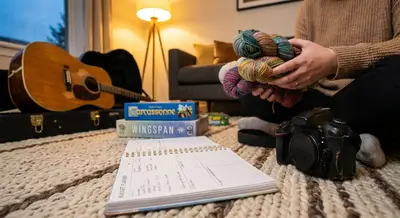

Leisure time can be one of the best investments you make in your own well-being—but the costs of “getting into a hobby” can add up quickly. Between gear, classes, memberships, and digital tools, it’s easy to spend more than you need and still end up with equipment you barely use. This guide walks through how to approach hobby spending like a smart consumer without draining the joy out of it. You’ll learn how to test interests, avoid marketing traps, and build a setup that actually fits your life—not just your wishlist.
Start With Real Life, Not the Ideal Version
Before buying anything, get clear on how you’re realistically going to practice this hobby. Many regret purchases happen because we buy for the fantasy version of ourselves instead of our actual schedule, space, and energy.
Think about where and when this hobby will fit. If you’re curious about painting but only have time in the evenings and no dedicated studio, that might point you toward compact watercolor sets and sketchbooks instead of large canvases and oil paints. If you want to start cycling but live in a small apartment, a folding bike or short-term rental access might be smarter than a full road bike and wall racks. Be honest about your tolerance for setup and cleanup time—some hobbies require a 10–15 minute setup before you can even start. Your hobby should fit into your week without feeling like another chore. Buying for your real circumstances helps you skip expensive gear that only fits an imaginary lifestyle.
Test the Hobby Before You Commit
One of the smartest ways to spend on hobbies is to treat your first phase as a trial period. Instead of asking, “What do I need to buy for this hobby?” ask, “What’s the smallest, cheapest way to try this properly?”
Look for local classes, maker spaces, and community centers that provide shared equipment. Libraries often lend more than books now—some have tool libraries, sewing machines, cameras, telescopes, and even musical instruments. If you’re curious about photography, rent a camera for a weekend or use a friend’s older gear rather than buying a new body and multiple lenses right away. For gaming, borrow or test a friend’s console before committing to your own setup. Online platforms offering free or low-cost beginner courses can also help you discover if you genuinely enjoy the skill (like coding, drawing, or music production) before you invest in specialized tools. This “try first, upgrade later” mindset keeps early costs low while giving you better data on what you actually need.
Learn to Read Gear Recommendations Critically
When you start researching a hobby, you’ll be flooded with recommendations: “must-have” gadgets, brand hierarchies, and long lists of accessories. Some are useful; others are driven by sponsorships or affiliate links. Learning to read these recommendations critically is key to smart hobby spending.
Prioritize resources that explain why a feature matters instead of just telling you what to buy. Look for reviewers who compare budget, mid-range, and premium options and clearly state their testing methods. Be cautious with social media posts that don’t disclose sponsorships or affiliate relationships—because those incentives can push more expensive or trendy items. For technical hobbies like photography, woodworking, or fitness, cross-check advice on at least two or three reputable sites or forums. Pay attention to what experienced hobbyists say they wish they’d bought first or which upgrades actually changed their experience. This context helps you avoid overpaying for prestige or chasing minor performance gains you won’t notice as a beginner.
Build a “Starter Setup” With Intentional Limits
Instead of buying the “best you can afford” right away, set a clear starter budget and build a limited, functional setup that lets you learn the basics well. Then, let your experience—not the marketing—tell you what to add next. This approach works for everything from music and crafts to outdoor sports and board games.
For example, if you’re learning guitar, you might choose a well-reviewed entry-level instrument, a simple tuner, and one learning app or book—skipping effects pedals, multiple cases, and premium straps. In crafting, you might begin with a core set of tools and a small project kit instead of buying every color, size, and material at once. For tabletop games, as another example, start with a single versatile game most people will enjoy instead of a whole shelf of niche titles. The key is to avoid “just-in-case” purchases. As you practice, you’ll discover specific limitations—like needing better lighting, more storage, or a more comfortable chair—that are worth addressing. Upgrading based on real pain points leads to fewer unused items and more satisfying improvements.
Know Where to Spend More—and Where to Save
In almost every hobby, some categories are worth investing in early, while others are safe to keep cheap or used. Understanding this can stretch your budget and improve your experience at the same time.
In general, it’s wise to spend more on items that affect safety, long-term health, or core functionality. For physical activities, that might be proper footwear, helmets, or supportive gear that protects joints and reduces injury risk. In creative hobbies, that might be a reliable instrument, ergonomic tools, or a decent chair and lighting for long sessions. For many hobbies, used or budget options are perfect for non-essential accessories, storage, décor, or cosmetic upgrades. Look into refurbished gear for cameras, laptops for music production, or previous-season models for outdoor equipment. Just make sure you check return policies and basic condition. The goal isn’t to always buy the cheapest or the most expensive—it’s to match spending to what genuinely changes your experience, especially for your level of commitment right now.
Conclusion
Hobbies and leisure activities are supposed to add joy and restoration to your life, not financial stress or a closet full of regrets. By testing before you commit, building a modest starter setup, and questioning which purchases actually matter, you can explore interests freely without overspending. Over time, your spending will naturally shift from “trying things out” to “fine-tuning what I truly love”—and that’s where leisure becomes both rewarding and sustainable. Smart buying doesn’t mean saying no to fun; it means saying yes in ways that fit your budget, your space, and your real everyday life.
Sources
- National Endowment for the Arts – Arts Participation Data - Provides research on how people engage in arts and creative hobbies, useful for understanding participation trends.
- Consumer Financial Protection Bureau – Managing Spending - Offers guidance on budgeting and managing discretionary spending like hobbies within a broader financial plan.
- U.S. General Services Administration – Buying Guides & Consumer Info - Background on evaluating products and purchasing decisions, helpful for thinking systematically about gear and equipment.
- REI Co-op Expert Advice - Detailed, non-technical guides on choosing gear for outdoor hobbies, with explanations of when higher-end equipment is worth the cost.
- Berklee Online – Beginner Music Gear Advice - Practical overview of entry-level music equipment and how to choose starter setups without overspending.
Key Takeaway
The most important thing to remember from this article is that this information can change how you think about Hobbies & Leisure.