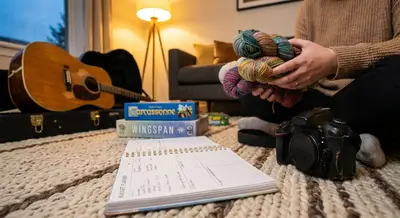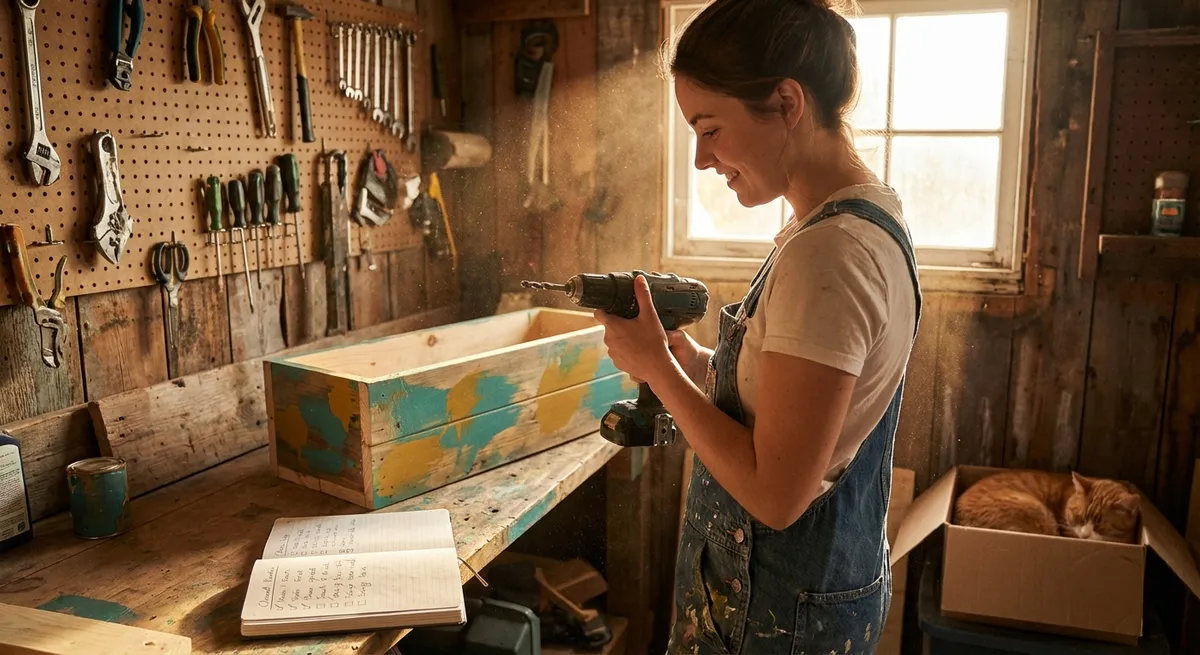
Weekends are short, money isn’t infinite, and the last thing you want is a closet full of abandoned hobby gear. Whether you’re getting into photography, gardening, gaming, painting, or home DIY, the right purchases can make your hobby more enjoyable—and the wrong ones can quietly drain your budget.
This guide walks you through how to buy hobby and leisure gear with intention, so you get more value, more joy, and fewer regrets. You’ll find five practical tips you can apply to almost any hobby before you click “buy.”
Start With the Experience, Not the Equipment
It’s easy to believe that “real” participation in a hobby starts with buying the right stuff. In reality, you’ll learn more from doing the activity than from owning advanced gear.
Before investing heavily:
- Test the hobby in the simplest way possible. Rent a camera before buying one, borrow camping gear from a friend, or use free apps for drawing or music production.
- Use what you already have. A smartphone can be your starter camera, timer, notepad, and workout tracker. Old containers can become planters, and basic kitchen knives can handle early cooking projects.
- Join a beginner class or workshop. Many community centers, libraries, and hobby stores offer classes where equipment is provided. This helps you understand what tools actually matter.
- Treat your first month as “research.” Focus on what you enjoy: Is it slow, detail-oriented work (like model building), or active, social hobbies (like team sports or group hikes)?
- Let your pain points guide your spending. Once you’ve tried the hobby, you’ll know what’s holding you back—uncomfortable shoes, poor lighting, slow software—and can target purchases that fix real problems.
When you buy with experience in mind, your gear supports your hobby rather than becoming a substitute for it.
Match Your Gear to Your Real Lifestyle
A hobby that fits your life is more important than gear that fits a trend. Many unused purchases come from buying for an imagined version of yourself instead of the actual way you spend time.
Ask yourself:
- How much time can I realistically give this each week? If it’s under 2 hours, massive or complex gear (e.g., full woodworking shop, elaborate aquarium) may become overwhelming.
- Where will I store and use this? A foldable easel or compact keyboard might make more sense than a full studio setup if you’re in a small apartment.
- Will I enjoy the “less glamorous” parts? Some hobbies require cleanup (painting), maintenance (bikes, aquariums), or planning (gardening). If that sounds exhausting, go simpler with your gear.
- Who else is affected? Loud instruments, large tools, or sprawling craft tables may not be compatible with roommates, kids, or shared spaces. You might want quieter or more portable alternatives.
- Is there a lower-commitment version? For example, indoor herb gardening before full landscaping, bodyweight workouts before a full home gym, or puzzles before complex tabletop games.
Buying hobby gear that works with your actual schedule, space, and energy makes it far more likely that you’ll use it—and keep enjoying it.
Tip 1: Start With an Entry-Level “Core Setup”
Instead of buying a complete kit up front, focus on a lean, reliable starter setup that covers the essentials and nothing more.
A smart starter setup usually has:
- One primary tool or piece of equipment.
- Photography: an entry-level mirrorless or DSLR body with a basic zoom lens
- Art: a small set of quality brushes and paints instead of massive multipacks
- Fitness: a good pair of shoes or a quality yoga mat, not a room full of machines
- A few supporting items that solve known problems.
- A tripod if your phone shots are always shaky
- Noise-canceling headphones if you struggle to focus on creative work
- A comfortable chair or lighting if you’ll be seated for long sessions
- Basic safety and comfort gear.
- Eye/ear protection for DIY
- Wrist support for typing-intensive hobbies
- Gloves and sun protection for outdoor projects
Why this works:
- You avoid overbuying and only expand once you know your preferences.
- You get to practice skills first, which makes later upgrades feel meaningful.
- You preserve resale value—simple, recognizable beginner gear is often easier to sell or pass on.
Set a simple rule: your first round of purchases should help you complete an entire small project, not cover every possible scenario.
Tip 2: Choose Quality Where It Matters, Compromise Where It Doesn’t
Not everything has to be top-of-the-line. The smartest hobby spending focuses on the items where quality strongly affects safety, results, or comfort.
Spend more on:
- Items that touch your body for long periods. Shoes, backpacks, chairs, headphones, and tools you grip (pens, brushes, controllers, sewing needles, etc.) are worth upgrading.
- Safety-critical gear. Helmets, climbing equipment, power tools, and anything that protects your eyes, ears, or joints should meet recognized safety standards and come from reputable brands.
- Core precision tools. A sharp chef’s knife, a stable tripod, a tuned instrument, or a color-accurate monitor will improve your experience more than extra accessories.
Save or compromise on:
- Aesthetic extras. Matching organizer bins, fancy cases, and decorative accessories can come later—if at all.
- Brand-driven upgrades. Don’t pay for a logo when mid-range products from lesser-known brands offer similar performance and better value.
- Beginner-level consumables. Practice paper, scrap fabric, basic yarn, or inexpensive canvas are fine while you learn. Upgrade once your skills justify it.
A quick test: if an item keeps you safer, more comfortable, or more accurate, lean toward better quality. If it’s mostly about appearance or status, question the price.
Tip 3: Research Real-World Use, Not Just Specs and Hype
Marketing copy and feature lists rarely tell you how something feels to use week after week. Don’t rush a purchase based only on star ratings or influencer recommendations.
Research smarter by:
- Reading long-term user reviews. Look for comments about durability, comfort after several months, and how often the item actually gets used.
- Checking multiple sources. Compare reviews from retailers, independent blogs, forums, and YouTube channels. See if the same strengths and weaknesses appear repeatedly.
- Focusing on use cases similar to yours. If you’re a casual weekend painter, pro studio reviews may not be as relevant as hobbyist blogs or community forums.
- Watching hands-on videos. Seeing how big a tool is in real life, how quickly it sets up, or how loud it sounds can prevent surprises.
- Looking at the “middle of the pack.” Often, the best value sits between the cheapest and priciest options. Extreme budget items may fail early; flagship options may be overkill.
If you keep seeing the same complaint—fragile parts, poor software updates, uncomfortable fit—take it seriously, even if the overall rating is high.
Tip 4: Use Budgets and “Cooling-Off” Rules to Avoid Impulse Buys
Hobby spending can creep up quickly, especially when you get excited or feel pressure to “keep up” with others. A simple personal system helps you stay in control without killing the fun.
Consider these guardrails:
- Set a monthly hobby budget. Decide how much you’re comfortable spending across all hobbies each month. Treat it like any other recurring expense.
- Use a 48-hour or 7-day rule for non-essential purchases. Add items to a wish list and revisit them later. If you’re less excited after a few days, you probably didn’t need it.
- Break big purchases into stages. Instead of buying a full drum kit, start with practice pads and lessons. Before a high-end camera, start with a used or entry-level model.
- Balance “gear buying” with “skill investing.” For every gear purchase, consider putting some money into a class, course, book, or coaching session that improves how you use what you already own.
- Track what you use. Every few months, list the gear you actually touched. If something hasn’t been used in 6–12 months, pause similar purchases and consider selling or gifting unused items.
This approach lets you enjoy your hobby without the guilt hangover of surprise credit card bills or boxes of unused equipment.
Tip 5: Plan for Resale, Sharing, and Upgrades From Day One
You’ll outgrow some gear—and that’s normal. Planning for the full life cycle of your purchases protects your wallet and reduces waste.
When choosing hobby items, think about:
- Resale value. Well-known brands, neutral colors, and standard sizes are often easier to resell or donate. Keep original boxes and manuals when possible.
- Modularity and upgrade paths. Systems where you can upgrade parts (lenses for cameras, components for PCs, attachments for tools) let you grow without starting over.
- Sharing and lending. Board games, tools, crafting supplies, and fitness gear can be shared with family, friends, or neighbors. Consider what’s flexible and easy to loan out.
- Multi-purpose use. A good folding table can serve for puzzles, sewing, and game nights. A versatile backpack might work for travel, hiking, and commuting.
- End-of-life options. Before buying, check whether the item can be recycled, donated, or responsibly disposed of. Some brands offer take-back or repair programs that extend product life.
Thinking ahead turns your purchases into assets that can circulate, be upgraded, or passed on—rather than clutter that’s hard to get rid of.
Conclusion
Your hobbies and leisure time should feel like a reward, not a financial burden or a source of guilt over unused gear. By starting with the experience, matching purchases to your real life, building a focused starter setup, balancing quality and cost, and planning for upgrades or resale, you give yourself the best chance of actually using—and enjoying—what you buy.
Apply these five tips to your next hobby purchase, and you’re far more likely to end up with gear that supports your interests, fits your lifestyle, and delivers real value long after the initial excitement fades.
Sources
- Consumer.gov – Managing Your Money - U.S. government guidance on budgeting and smart spending that can be applied to hobby purchases
- Federal Trade Commission (FTC) – Online Shopping Tips - Practical advice on safe and informed online buying, useful when purchasing hobby gear
- Harvard Business Review – When Spending Money Actually Makes You Happy - Explores how intentional spending on experiences can increase satisfaction
- University of British Columbia – The Benefits of Having a Hobby - Discusses mental health and well-being benefits of hobbies, reinforcing why it’s worth choosing wisely
- REI Co-op – Expert Advice: How to Choose Quality Gear - Guidance from an outdoor retailer on assessing gear quality, applicable across many hobby categories
Key Takeaway
The most important thing to remember from this article is that this information can change how you think about Hobbies & Leisure.