The end-of-year release window is officially in full swing, and game news feeds are packed with announcements, betas, and surprise launches. Between massive live‑service updates, new handhelds, and long‑awaited sequels, it’s never been easier to overspend on games you barely touch. If your wish list already looks like a backlog in the making, you’re not alone.
With so many “must‑play” drops competing for attention on Steam, PlayStation, Xbox, Switch, and mobile, smart buying matters more than ever. Using the latest wave of 2025 gaming news as a backdrop—from big publisher showcases to surprise indie hits—this guide breaks down how to shop strategically, avoid hype traps, and actually get value from what you buy.
Below are five practical, consumer‑focused tips you can apply right now before you click “pre‑order” or “checkout” on your next game.
1. Read Beyond the Hype: Separate Marketing From Real Gameplay
Every major release now arrives with a cinematic trailer, influencer campaigns, and carefully staged “hands‑on” previews. When a publisher like Sony, Microsoft, Nintendo, or a giant like EA or Ubisoft announces a new flagship title, social feeds instantly fill with hot takes. But most of that early talk is based on marketing slices, not the final game.
Before buying:
- Look for raw gameplay, not just trailers. Prioritize uncut gameplay footage from events (like Gamescom, Summer Game Fest, or platform‑specific showcases) and independent creators who clearly label what build they’re playing.
- Check multiple outlets. Don’t rely on a single review or early impression. Cross‑reference large sites (IGN, GameSpot, Eurogamer, PC Gamer) with smaller YouTube channels, Reddit threads, and user reviews once they appear.
- Watch for review‑embargo timing. If reviews drop very close to launch—or after launch day—that’s often a sign the publisher is cautious about early criticism. It doesn’t always mean the game is bad, but it’s a signal to wait for genuine player feedback.
- Focus on systems, not buzzwords. “Next‑gen,” “immersive,” “live‑service,” and “cinematic” are vague. Instead, ask: How long is the campaign? What are the core mechanics? Is there replay value without microtransactions?
A useful rule: if you can’t clearly explain what you’ll be doing minute‑to‑minute in the game, wait. Confusion is a buying red flag.
2. Time Your Purchases: Use Launch Windows, Sales, and Subscriptions
With so many platforms competing—Steam, Epic, PlayStation Store, Xbox Store, Nintendo eShop, plus subscription services like Game Pass, PlayStation Plus, and Netflix Games—prices swing more than ever.
To avoid overpaying:
- Decide if you really need day‑one access. Big multiplayer titles or games with strong online communities make more sense to buy at launch. Story‑driven single‑player games often drop in price quickly and hit sales within a few months.
- Watch seasonal and event sales. Major sales now cluster around:
- Platform showcases and digital events (e.g., a new Nintendo Direct or PlayStation State of Play often triggers themed discounts).
- Traditional sales windows: Lunar New Year, Spring, Summer, Black Friday/Cyber Monday, and Holiday sales.
- Check subscription catalogs before buying. Many headline games cycle into Xbox Game Pass, PlayStation Plus Extra/Premium, or EA Play within months of release. If you already pay for a subscription, it might be smarter to wait.
- Track regional pricing. If you play on PC, some storefronts offer regional pricing differences. Make sure your settings are correct and you’re not accidentally paying more than necessary by using the wrong store region (and always follow platform rules).
If a game isn’t heavily community‑driven and doesn’t lock you out of early events or seasons, patience often saves you 30–70% off the launch price.
3. Decode Editions, Pre‑Order Bonuses, and Microtransactions
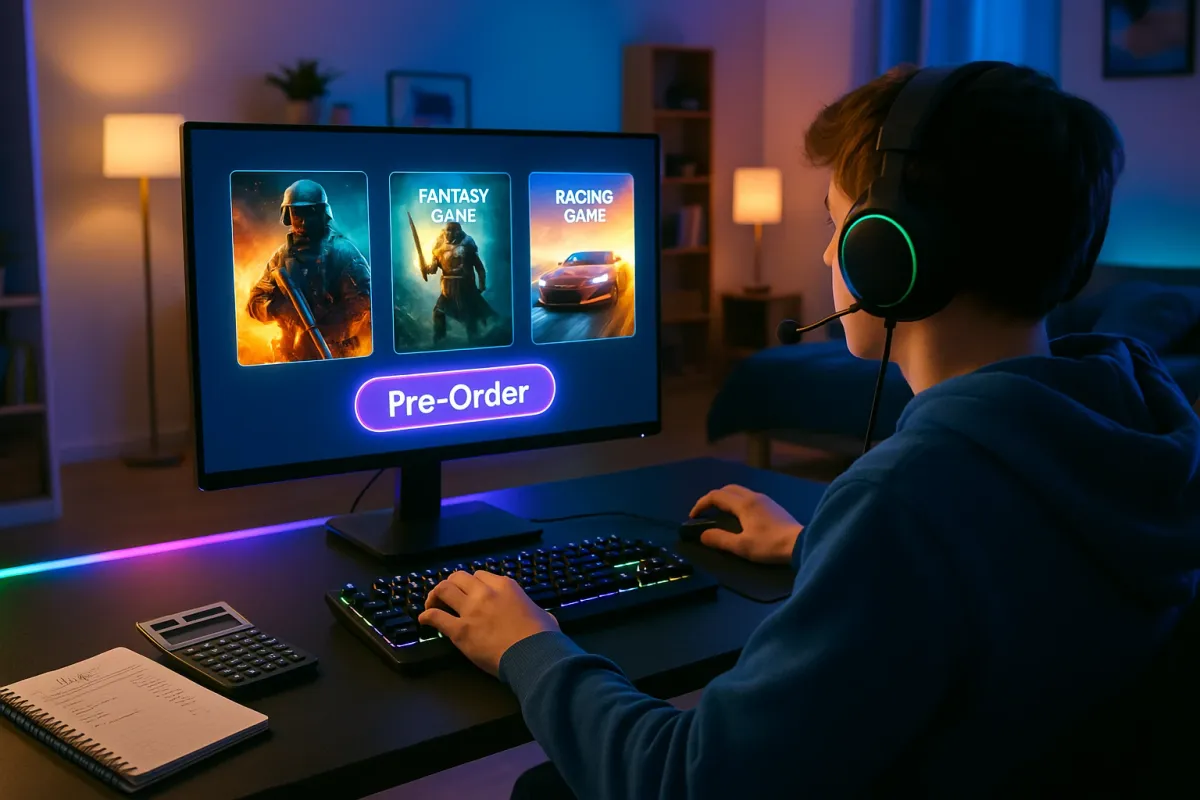
Deluxe, Gold, Ultimate, Founder’s Packs—many big 2025 releases ship with a confusing stack of editions and pre‑order incentives. Publishers know fear of missing out is powerful, especially when cosmetics, battle passes, or early access are involved.
Before choosing an edition:
- Break down what you’re actually getting. Is it:
- Cosmetic‑only content (skins, emotes, profile items)?
- Gameplay‑relevant (XP boosts, weapons, extra missions)?
- Early access days before official launch?
- Skip “mystery” bundles. Any edition that leans on loot boxes, random drops, or vague “premium currency” offers is hard to value. For free‑to‑play games especially, start with the base experience and only spend once you know what you enjoy.
- Watch for battle pass burnout. Games from big publishers increasingly tie progression to seasonal passes. If you don’t play consistently, you may never unlock what you paid for. Only buy passes when you know you’ll invest the time that season.
- Be cautious with early access upgrades. Paying extra to play a few days earlier is rarely worth it unless:
- You create content (streaming, YouTube, reviews), or
- Your friend group is committed to playing at launch together.
Convert the extras into actual value: Would you realistically buy these items separately?
For most players, the standard edition is still the best value. Upgrade later if—and only if—you’re sure the game sticks.
4. Match Games to Your Actual Play Style (Not Just What’s Trending)
Just because a new shooter, battle royale, or cozy life sim is blowing up on Twitch or TikTok doesn’t mean it will fit how you play. Many gamers end up with digital libraries full of “everyone’s talking about it” purchases they barely touch.
To buy games you’ll actually finish:
- Audit your last 6–12 months of play. Which games did you complete? Which ones did you drop early? Look for patterns:
- Do you prefer short, focused campaigns or open‑world grinds?
- Are you more into single‑player stories or co‑op/multiplayer?
- Do you replay games, or do you move on after the credits?
- Filter new releases through your habits. For example:
- If you rarely finish open‑world games, think twice about the latest 100‑hour sandbox, no matter how good it looks.
- If you mostly play with friends, a smaller, cheaper co‑op title might bring more joy than a huge solo AAA release.
- Use demos, betas, and trial weekends. Many 2025 games offer limited‑time betas, free weekends, or timed trials via platforms and subscriptions. Treat these as test drives before buying.
- Check user tags and subgenres. On PC, Steam tags and user reviews often describe how the game feels: “relaxing,” “hardcore,” “grindy,” “controller recommended,” etc. Use that language to see if it fits your mood and hardware.
The smartest purchase is the one that matches your real life: your available time, your favorite genres, and the people you actually play with.
5. Future‑Proof Your Library: Cross‑Play, Performance, and Refund Safety Nets
As more players game across PC, consoles, and mobile, technical details matter as much as the game itself. A hot new release can feel like a waste if it runs poorly on your system or locks you out of playing with friends on other platforms.
Before buying, run this quick checklist:
- *Platform choice: where will you play most?
- If your friends are on PlayStation or Xbox, check if the game supports cross‑play and cross‑progression. Many 2025 titles do—but not all.
- If you have a gaming PC, compare performance and price against console versions. Some PC ports launch rough; early reviews will usually call that out.
- Performance targets. Look for:
- Confirmed frame rate modes (30/60/120 FPS) and resolution options.
- Early testing on your specific hardware (e.g., Steam Deck performance, older console versions, mid‑range GPUs).
- Storage demands. Big 2025 games regularly hit 80–150GB. If you’re constantly deleting titles, factor in the hidden cost of extra SSDs, microSD cards, or external drives when comparing platforms.
- Refund policies.
- On Steam, you typically have a two‑hour play window and 14‑day limit for refunds, which makes trying riskier purchases safer.
- On console stores, refund rules are stricter and vary by region. Learn your store’s policy before making a big digital buy.
- Online requirement and server reliance.* Some games need a constant internet connection—even for solo content. If server stability or long‑term support looks questionable, consider waiting. If a game is heavily live‑service, its value depends on how committed the developer is beyond launch.
Treat each purchase as part of a long‑term library, not a one‑week fling. A little technical homework now prevents a lot of buyer’s remorse later.
Conclusion
With game publishers, platforms, and subscription services all competing for your attention in late 2025, the pressure to buy into every big launch is intense. But you don’t need to chase every trend or limited‑time bundle to stay current.
If you slow down and:
- Look beyond the marketing to real gameplay,
- Time your buys around sales and subscription drops,
- Avoid overpaying for shiny but shallow editions,
- Match purchases to your actual habits,
- And check performance, cross‑play, and refund options,
you’ll build a game library that feels intentional, affordable, and genuinely fun.
Before your next impulse pre‑order, walk through these five steps. Your wallet—and your backlog—will thank you.
Key Takeaway
The most important thing to remember from this article is that following these steps can lead to great results.