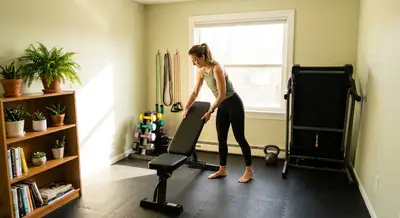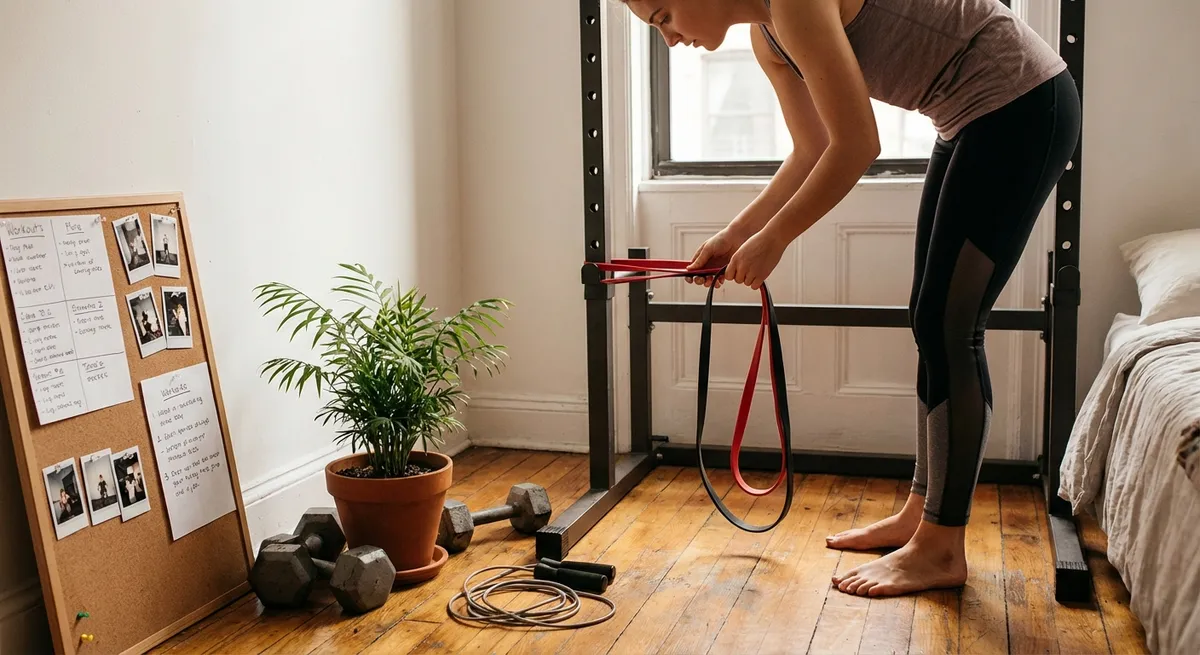
Turning a corner of your home into a workout space can be one of the smartest sports-related purchases you’ll ever make—if you do it strategically. Instead of impulse-buying flashy gear that becomes an expensive clothes hanger, you can create a setup that fits your goals, space, and budget while still feeling motivating to use.
This guide walks through how to think like a savvy buyer when building a home gym, plus five practical purchasing tips to avoid regret and maximize every dollar.
Start With Your Real Workout Habits, Not Aspirations
Before you buy anything, anchor your decisions in how you actually like to move, not how you wish you did.
Look at your last three months of activity. Do you gravitate toward strength training, yoga, walking, HIIT, or sports-specific drills? Your home gym should support what you already do (and enjoy), then gently expand from there. If you love bodyweight circuits and walks, you probably don’t need an advanced squat rack as your first purchase.
Consider your schedule too. If you only have 20–30 minutes most days, equipment that’s quick to set up and put away will get used more than a complex machine. Also think about injury history and joint comfort; low-impact options like resistance bands and adjustable dumbbells might serve you better than high-impact plyometric tools.
The more your gym reflects your real habits and constraints—time, space, preferences—the less likely your purchases are to collect dust.
Match Your Space and Storage to the Gear You Buy
The most effective home gym is the one that actually fits your home.
Measure your space before browsing. Note ceiling height, floor type, nearby furniture, and how much room you need to move safely around any equipment. Many people underestimate the “footprint” of their gear: not just the machine itself, but the clearance needed for lunges, overhead presses, or swinging a kettlebell.
If you’re in a small apartment or shared space, prioritize foldable, stackable, or wall-mounted options: resistance bands, a foldable bench, adjustable dumbbells, a suspension trainer, or a collapsible squat rack. For garages or basements, durable flooring (like interlocking rubber tiles) might actually be the smartest first purchase to protect knees, equipment, and the home’s resale value.
Don’t forget noise and impact. Treadmills, rowers, or heavy barbell drops can bother neighbors or family members. Mats and bumpers can reduce sound and protect floors, but they also take up room and add cost—factor that into your plan before buying a large machine.
1. Prioritize Versatile Gear Over Single-Purpose Machines
To stretch your budget, focus on equipment that serves multiple exercises and training styles.
Adjustable dumbbells, resistance bands, suspension trainers, and a sturdy bench can support full-body strength workouts, rehab, and even cardio-style circuits. A set of resistance bands with different tensions can replace multiple cable machines found in commercial gyms and easily store in a drawer.
By contrast, single-purpose devices—like ab rollers, thigh trimmers, or machines that do just one movement—often have a poor cost-per-use ratio. They might look appealing in ads, but they rarely justify their price versus more flexible gear unless you have a very specific need.
When comparing options, ask:
- How many different movements can I do with this?
- Does it work for both upper and lower body?
- Can it adapt as I get stronger or switch training styles?
If the answer is “just one or two exercises,” it probably shouldn’t be the first thing you buy.
2. Use “Cost Per Workout” to Compare Big Purchases
Instead of asking “Is this treadmill expensive?” ask “What will each workout cost me over time?”
Estimate how often you’ll realistically use a piece of equipment over its lifespan. For example, if a $900 rowing machine lasts 5 years and you use it 3 times per week, that’s around 780 sessions—just over $1 per workout. Compare that to a $70/month gym membership for 5 years (over $4,000) or boutique classes.
This cost-per-workout lens helps you avoid two traps:
- Overpaying for gear you’ll barely use
- Dismissing quality equipment that’s actually a good long-term value
Read warranty details and weight limits carefully. A slightly pricier barbell or treadmill with a longer warranty and better build might deliver a much lower cost-per-workout than a cheaper, flimsy option that needs early replacement.
Also factor in any ongoing subscription fees for apps or content. A “cheap” smart bike can become expensive over time if the membership is mandatory and you’re on the fence about sticking with it.
3. Check Independent Reviews and Return Policies Before You Commit
For larger purchases—treadmills, bikes, rowers, squat racks—do not rely solely on customer reviews on the brand’s own site.
Look for independent testing and long-term reviews from reputable fitness outlets, consumer organizations, and forums. Pay attention to consistent complaints: noise issues, connectivity problems, instability, or poor customer service and replacement part delays.
Before you buy, check:
- Return window and whether you’ll pay return shipping or restocking fees
- Warranty length on frame, electronics, and moving parts (they may differ)
- Whether in-home assembly is included and what it costs if not
If you’re unsure, favor retailers or brands with generous trial periods (e.g., 30 days or more). Being able to actually test a treadmill or bike in your home environment—noise, stability, screen glare—can be the difference between a long-term win and a frustrating mistake.
4. Start With a Minimal “Core Kit” Before Expanding
Resist the urge to buy everything at once. Start with a small, high-value core kit that lets you do full-body workouts, then expand only if you hit clear limitations.
A solid starter setup for many people might include:
- A set of resistance bands (including a door anchor)
- One or two kettlebells or adjustable dumbbells
- A non-slip exercise mat
- A basic bench or sturdy step
Use this core kit consistently for 4–8 weeks. Track which movements you love, which feel awkward, and where you feel limited. If you realize you’re always improvising cardio with shadowboxing in place, maybe a jump rope or compact stepper is your next smart buy. If you’re consistently outgrowing your dumbbell weights, heavier options or a barbell may make sense.
This staggered approach lets your actual usage—not marketing—dictate what you buy next.
5. Time Your Purchases Around Seasonal Deals and Model Cycles
Sports and fitness gear often follows predictable discount cycles. Patience can save you hundreds of dollars.
Larger cardio machines and home gym setups frequently go on sale:
- Around New Year’s (fitness resolutions)
- Late spring/early summer (outdoor and sports gear promotions)
- Major sale events (Black Friday, Cyber Monday, holiday weekends)
For brand-name wearables and smart gear, look for discounts when new models are announced. Prior-year versions often drop in price but remain perfectly capable for most users.
Before jumping on a “sale,” compare the listed discount against historical pricing on deal-tracking websites or price history tools. Sometimes “40% off” is just the regular price with a higher fake “original” price. Knowing the true price range helps you identify a genuine deal versus marketing noise.
If you’re willing to buy used or refurbished from trusted sources, you can save even more—especially on items like weight plates, dumbbells, or racks that don’t wear out easily. Just inspect for rust, cracks, or structural damage and be cautious with anything that has complex electronics or safety-critical parts.
Conclusion
A home gym doesn’t have to be huge, expensive, or Instagram-perfect to be effective. The smartest setups are built gradually, based on real habits, measured spaces, and thoughtful purchases—not impulse buys.
By prioritizing versatile gear, judging value by cost-per-workout, vetting reviews and return policies, starting with a minimal core kit, and timing purchases around genuine deals, you’ll spend less, move more, and end up with a workout space that actually supports your life.
Think of each purchase as a long-term training partner. If it doesn’t clearly help you train more consistently, more safely, or more enjoyably, it’s not the right fit—no matter how good the ad looks.
Sources
- American Council on Exercise (ACE) – Building a Home Gym - Practical guidance from a major fitness organization on prioritizing equipment and budgeting
- Mayo Clinic – Starting an Exercise Program - Evidence-based advice on aligning workouts with health goals and limitations
- Consumer Reports – Treadmill Buying Guide - Independent insights on evaluating large fitness equipment, warranties, and value
- Harvard Health Publishing – The Importance of Strength Training - Explains the health benefits of resistance training, underscoring why versatile strength gear is a smart investment
- U.S. Department of Health & Human Services – Physical Activity Guidelines - Official recommendations for weekly activity levels to help buyers choose equipment that supports realistic routines
Key Takeaway
The most important thing to remember from this article is that this information can change how you think about Sports.