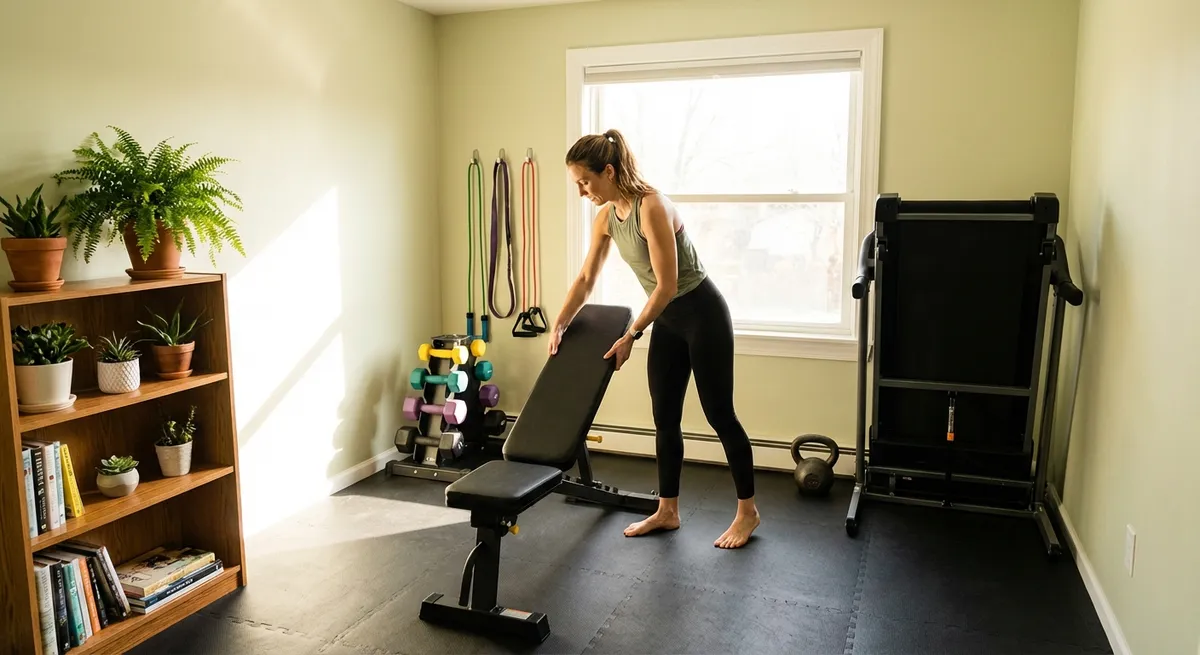
Starting a home workout routine feels exciting—until you’re staring at dozens of equipment options, conflicting reviews, and prices that range from “bargain” to “did I just buy a car?”. Instead of grabbing whatever is trending on social media, you can build a home setup that fits your goals, space, and budget—and actually gets used instead of collecting dust.
This guide walks you through what really matters when buying sports and fitness gear, how to avoid common traps, and five practical tips to make smarter purchasing decisions.
Clarify Your Training Goals Before You Spend
Before opening your wallet, get painfully specific about what you want your gear to help you do. “Get in shape” is too vague. Are you aiming to:
- Improve cardiovascular fitness?
- Build strength and muscle?
- Increase mobility and flexibility?
- Support a specific sport (like basketball, tennis, or running)?
- Rehab an old injury and move safely?
Your answers determine which purchases move the needle and which are just “nice-to-have” distractions. For example, if your main goal is improving heart health, the American Heart Association emphasizes consistent moderate to vigorous aerobic activity as a key factor—meaning a reliable way to walk, jog, cycle, or row at home might be higher priority than heavy weights or advanced gadgets.
A clear goal also helps you set a realistic starting budget. If you’re just building consistency, simple items (a mat, resistance bands, a jump rope, maybe adjustable dumbbells) will usually deliver more value than a single large machine you’re not yet sure you’ll use regularly.
When your goal is precise—“walk/jog 30 minutes, 4 days a week at home,” or “build full-body strength 3x per week with progressive overload”—you can evaluate every potential purchase with one question: Does this directly support the way I plan to train in the next 3–6 months? If not, it can probably wait.
Understand What You’re Really Paying For
Sports and fitness products often market “features” that sound impressive but don’t always translate into better workouts. To avoid overpaying, learn the difference between meaningful quality and expensive extras.
For cardio machines (treadmills, bikes, rowers), the most important factors for most buyers are:
- Structural stability and weight capacity
- Motor quality (for treadmills) and smooth resistance (for bikes/rowers)
- Noise level and footprint (especially in apartments)
- Warranty and after-sales support
Large screens, built-in speakers, and entertainment apps are nice but not essential if you already use a phone or tablet. Often, the same brand offers a similar, more basic model with reliable mechanics but fewer “luxury” features for a significantly lower cost.
For strength equipment, prioritize:
- Safety and load capacity (for racks and benches)
- Grip and knurling quality (for barbells)
- Durable materials and secure fastenings (for adjustable dumbbells and kettlebells)
- Stability and non-slip surfaces (for benches and flooring)
If a product’s marketing focuses more on aesthetics and “premium” feel than on safety specs, load ratings, and test standards, dig deeper. A slightly less flashy product with better safety and durability is almost always the smarter buy.
Match Gear to Your Space and Lifestyle
Even the best equipment is a waste if it doesn’t fit your home or routine. Before browsing, measure your available space and consider:
- Ceiling height (for overhead presses, pull-up bars, and treadmills with incline)
- Floor strength and noise transfer (important for upper-floor apartments)
- Storage options (foldable gear or under-bed storage if space is tight)
- Proximity to outlets if you’re buying powered equipment
Think about your daily schedule and living situation too. If you live with others or in an apartment with thin walls, a quiet resistance bike or rowing machine may be more realistic than a heavy treadmill with loud footfalls. If you often travel for work, portable gear—like resistance bands, suspension trainers, or compact adjustable dumbbells—will give you more consistent use than a massive rack setup you see only a few days a month.
A helpful rule: design your setup so there’s as little friction as possible between “I want to work out” and “I’m actually doing it.” That usually means:
- Easy setup (no 10-minute prep just to start)
- Gear that stays accessible rather than buried in a closet
- A layout that makes your workout area inviting, not cramped or cluttered
This practical fit with your environment matters more than buying the “perfect” equipment on paper.
Five Practical Tips for Smart Sports & Fitness Purchases
1. Start With a Minimal Core, Then Expand Slowly
Instead of building a “dream gym” right away, start with a minimal core that covers most of your training needs and expand only after you’ve maintained a routine for a few months.
For many people, a solid starter setup could be:
- A good-quality exercise mat
- A set of resistance bands (light, medium, heavy)
- One or two pairs of dumbbells or an adjustable set
- A jump rope or low-cost cardio option (step platform, mini-stepper)
Use this setup consistently for 8–12 weeks. Track what you actually use and what limitations you feel. Are your dumbbells too light now? Do you wish you had a pull-up bar or a bench? Upgrade based on real experience instead of imagined needs.
This approach:
- Minimizes wasted purchases
- Lets you learn what you enjoy (and what you avoid)
- Helps you prioritize upgrades that truly improve your workouts
Once your habits are solid, larger investments—a quality barbell, a power rack, or a cardio machine—become safer bets.
2. Check Independent Reviews and Safety Certifications
Brand websites and influencer posts rarely highlight drawbacks. To balance the marketing, look for:
- Independent testing or reviews from consumer organizations
- User reviews that mention long-term durability (6+ months of use)
- Any recall history on the brand or product type
For bigger gear (machines, racks, benches), check whether the product meets or cites any relevant industry standards or test procedures (even if not formally certified). If the product involves children or could pose a tip-over or entrapment risk, be especially cautious and search for recall information before buying.
Whenever possible, scan for patterns in negative reviews:
- Repeated complaints about the same failure point (e.g., cables snapping, electronics failing)
- Poor customer support or long delays on replacement parts
- Assembly difficulty leading to incorrect or unsafe setups
A slightly more expensive product with fewer safety concerns and better support is often the real bargain over time.
3. Prioritize Adjustability and Versatility Over Single-Use Gear
If you’re working with limited space or budget, gear that serves multiple purposes usually delivers better value than niche equipment.
Examples:
- Adjustable dumbbells or weight sets instead of many fixed-weight pairs
- A sturdy bench that can be flat and inclined
- Resistance bands with door anchors to mimic cable machine movements
- A pull-up bar that doubles as an anchor point for bands or suspension trainers
Ask yourself: How many different exercises or training styles can this one item support? A versatile piece that fits both strength and mobility work (like bands, benches, or kettlebells) often does more for your fitness than a specialized machine that trains only one muscle group.
Also consider future progression. Can you increase resistance easily as you get stronger? Gear that “tops out” too quickly forces you to buy replacements sooner than expected.
4. Think Total Cost of Ownership, Not Just the Price Tag
The sticker price is only part of what you’ll pay over time. Before you decide, factor in:
- Shipping and assembly (especially for large machines or racks)
- Required accessories (mats, protective flooring, power adapters, lubrication)
- Subscription fees for apps or video classes
- Maintenance needs and typical lifespan
- Potential repair costs if parts fail after the warranty
For example, a treadmill with a lower upfront price but a short warranty, expensive proprietary parts, and mandatory subscription fees might cost more over three years than a pricier competitor with a longer warranty and optional software subscriptions.
If the product relies on digital services (training apps, live classes, cloud storage), check:
- Whether the device still works without a subscription
- What features disappear if you cancel
- How often the company updates or supports older models
You’re buying not just the gear, but the ecosystem that comes with it.
5. Test Comfort and Fit Whenever Possible
Ergonomics are rarely obvious from online photos. Whenever you can, test similar equipment in a physical store or gym, even if you plan to buy online later. Pay attention to:
- Handle thickness and grip comfort
- Seat and back support on bikes, rowers, and benches
- Noise level at different speeds or loads
- Ease of adjusting settings (weight, seat height, resistance)
- How stable and secure you feel during use
For wearable gear (shoes, braces, compression wear):
- Prioritize proper fit and support over brand image
- Check return policies in case sizing or comfort is off after a real workout
- Look for guidance from credible organizations or sports medicine sources on what type of support is appropriate for your activity and any existing injuries
If in-person testing isn’t possible, pick retailers with generous return windows and clear policies on fitness equipment, and actually try the gear promptly after delivery instead of leaving it boxed for weeks.
Conclusion
Smart sports and fitness purchases aren’t about owning the most impressive equipment—they’re about choosing gear that supports your actual goals, fits your space and lifestyle, and holds up to regular use. By clarifying what you want to achieve, understanding what really drives quality, and applying a few disciplined buying habits, you can build a home workout setup that feels intentional instead of impulsive.
Start small, focus on consistency, and let your real training needs—not the latest trend—guide your next upgrade. The best gear is the gear you’ll use often, safely, and with confidence.
Sources
- American Heart Association – Recommendations for Physical Activity – Outlines evidence-based guidelines for cardio and strength activity, helpful for defining training goals.
- U.S. Consumer Product Safety Commission – Provides recall information and safety guidance on consumer products, including fitness and sports equipment.
- Mayo Clinic – Home Workout: Quick Tips to Get Started – Offers practical advice for planning effective home workouts and choosing basic equipment.
- Harvard Health Publishing – Choosing Exercise Equipment – Breaks down key factors to consider when purchasing home exercise machines.
- Cleveland Clinic – How to Start a Home Exercise Routine – Explains how to set realistic goals and pick gear that matches your space, needs, and fitness level.
Key Takeaway
The most important thing to remember from this article is that this information can change how you think about Sports.